
A large backyard is not a prerequisite for growing strawberries, nor are raised beds. Put some healthy plants in the proper container with ample sun and a bit of regular tending, and they will do fine on a deck, porch, balcony, or in a modest corner of your yard.
In fact, that is what makes container gardening so well-suited to organic strawberries. It is a straightforward way for a beginner gardener, an apartment dweller, or someone with a small lot to put out fresh fruit without committing to a full garden. A couple of pots well placed can make for a sweet, homegrown harvest right at your door.
Why They Are Good for Pots
Strawberries are a fantastic option for this kind of setup. Unlike some fruiting plants, their roots don’t require great depth; they prefer loose soil with good drainage, steady moisture, and plenty of sunlight.
Then there is the matter of control. You decide on the soil mix, you can move things around, and it is easier to keep weeds at bay and have the berries within easy reach. For many, it is a cleaner, more manageable approach. If your yard is rocky, compacted, or otherwise unsuited to strawberries, why bother trying to remedy it? Start with a quality organic potting mix, and you give the plant a better footing from the get-go. Renters will appreciate being able to take their strawberry patch with them when they move.
Making the Most of Small Spaces
You would be surprised where strawberries can thrive. Townhome patios, side yards, front porches, and even sunny walkways are all possibilities. Apartment growers should look first at the light; a balcony with strong sun for most of the day is ideal. If your area is mostly shaded by an overhang or some trees, the plants may still do okay, but you can expect a lighter crop.
In a small yard, you might put containers by the fence, near the garden beds, or close to the kitchen. Some like to have them by the back door to check in and harvest before the birds do. When ground space is hard to come by, vertical planters, hanging baskets, or tiered pots let you have more plants in less room. Do not crowd them, though; they need air and room for the roots.
The Importance of Sun
How much you harvest largely depends on sunlight. Six hours of direct sun is what you want for a good yield; eight or more in many places is preferable. Without it, you will see lots of leaves but not as many flowers or fruit, and what does ripen may lack sweetness. Pick the spot with the best morning and midday exposure.
Of course, in hot climates, you may want to give them some respite from the afternoon. Pots on the patio heat up and dry out quicker than plants that are in the ground. In warmer spots, a little shade in the afternoon is a good thing. Those in Redding, CA, and similar hot areas should be mindful of the heat and moisture. A pot left baking on concrete in the afternoon sun will run dry in a hurry. Use a larger container or some mulch, and set it back from any surface that reflects heat to keep the roots happy.
The Right Container for Your Strawberries
When it comes to a strawberry container, you are looking for two things: solid drainage and ample room for the roots. Don’t skimp on drainage holes; they are a must. Strawberries have no patience for soggy soil, and poor drainage will only bring on root trouble.
A depth of 8 to 12 inches is typically sufficient. If you go with a wider pot, you can put several plants in together, but as a rule of thumb, allow 10 or 12 inches of space between plants. You don’t want to crowd them in one pot; it chokes off airflow, makes watering a chore, and will cause your fruit production to suffer.
There are plenty of options that will do the job. Terra cotta has its looks, but it dries out more quickly than plastic, which is better at holding moisture. Fabric grow bags are excellent for letting air circulate around the roots. For a porch or balcony, a hanging basket is hard to beat. And there are always wooden boxes, tiered planters, and the like. In the end, pick something you can get to easily for watering and moving about.
Soil and Watering
Put down a high-quality organic potting mix and leave the heavy garden soil in the ground. Potting mix is lighter and won’t compact in a container, giving the roots the air space they require. Garden soil in a pot can be an obstacle to both root growth and drainage.
Strawberries need moisture to be consistent, yet not waterlogged. Stick your finger in the soil an inch or so; if it is dry there, give them a drink. During hot seasons, you may find yourself watering daily. Try to direct the water to the base of the plant rather than drenching the leaves and fruit – wet foliage in a crowded pot is an invitation for disease. A little clean straw or mulch on top of the soil is a good idea to keep the berries from sitting in dampness and to retain some moisture.
As for fertilizer, a balanced organic type will support healthy growth without overdoing the nitrogen, which can give you all leaf and few berries. Just read the label.
Organic Plants to Start With
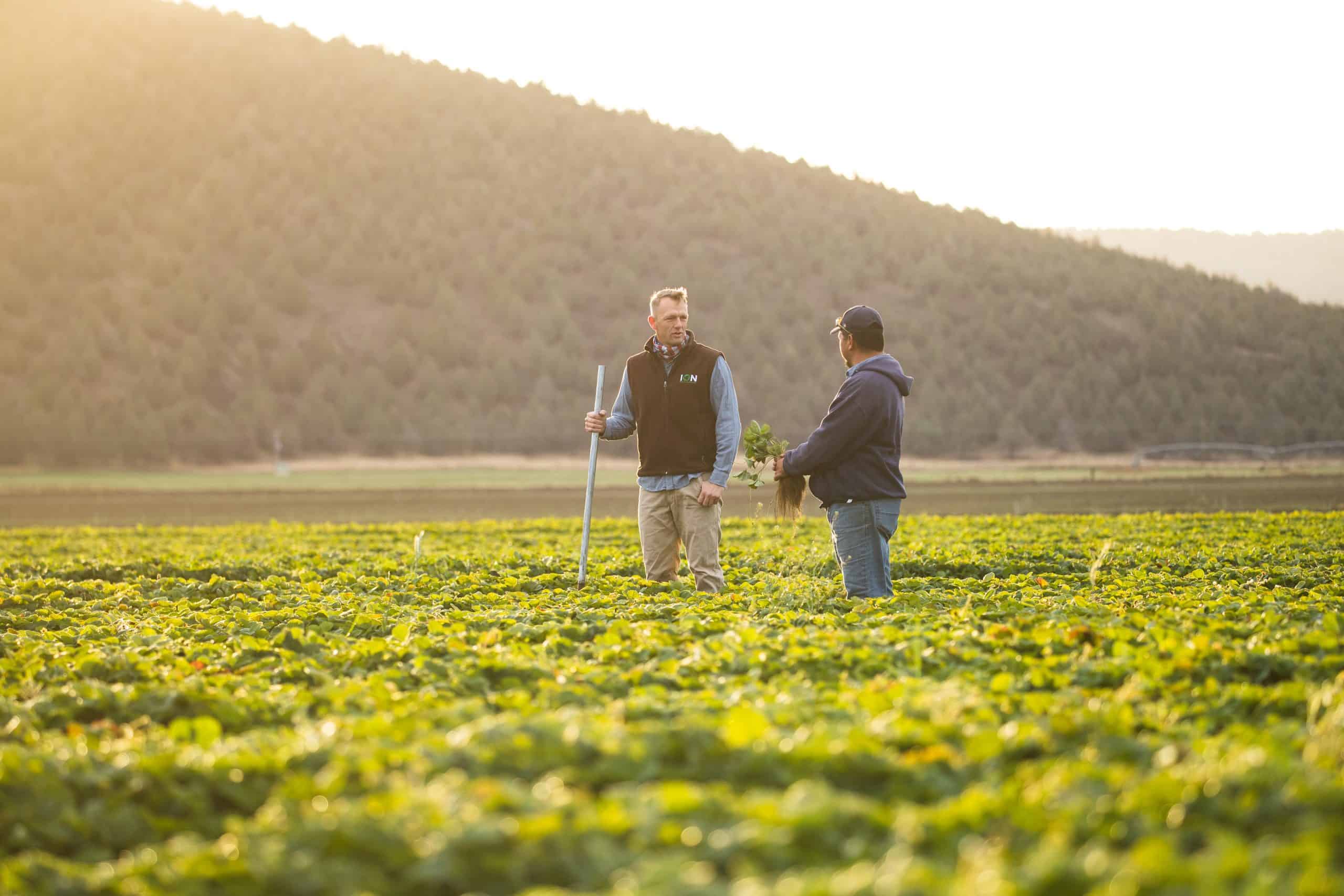
It is wise to begin with strong organic planting stock. Healthy plants are easier to put down and look after, meaning fewer headaches and a more pleasant first harvest for the home gardener. Innovative Organic Nursery, LLC (ION) based in Macdoel, CA, is a great source for such planting stock, having raised their strawberries to organic standards for growers who care about quality.
Simple Care
Once they are in the ground, make time to check on them. Pick off dead leaves, be on the lookout for pests, and keep the soil moist. When the berries turn a full red, pick them; regular harvesting will spur the plant to produce more. You will likely spot runners, too. While you might let them be in a big garden to start new plants, in a small container, you are better off trimming them back so the plant can focus on the fruit.
There is a certain reward in container gardening with organics, whether you are a novice or have been at it for years. It is a smart way to have fresh fruit near the kitchen if you are short on yard space or live in an apartment. Give them some sun, the proper soil, and a good container, and you will be eating sweet homegrown berries in no time.