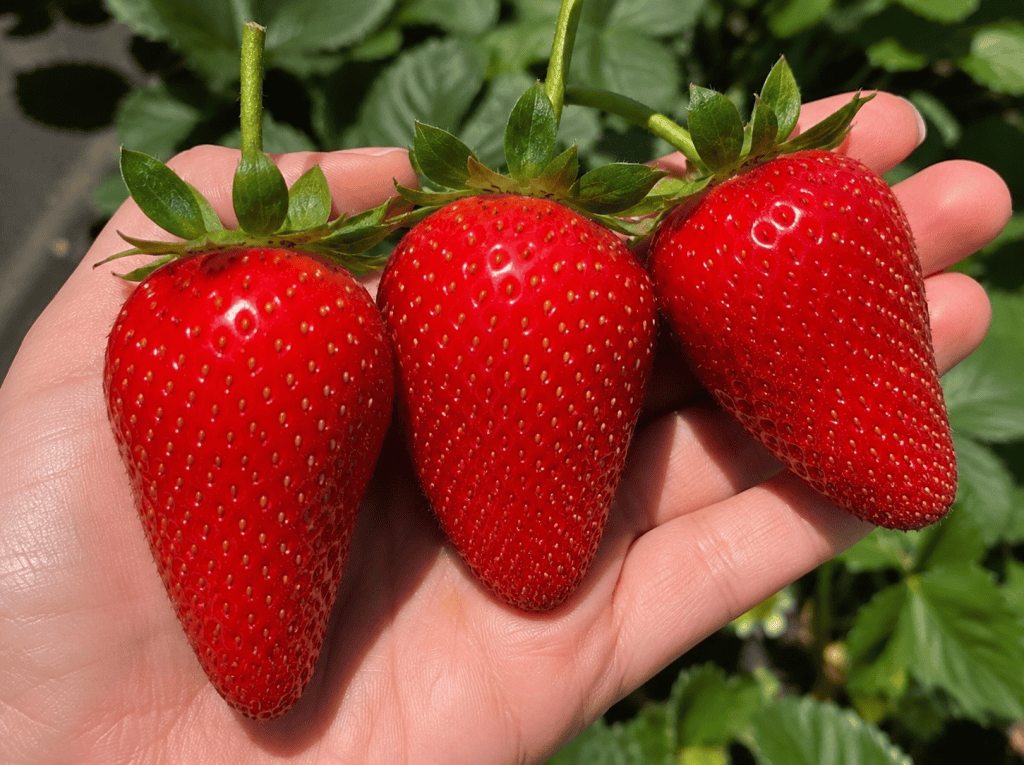
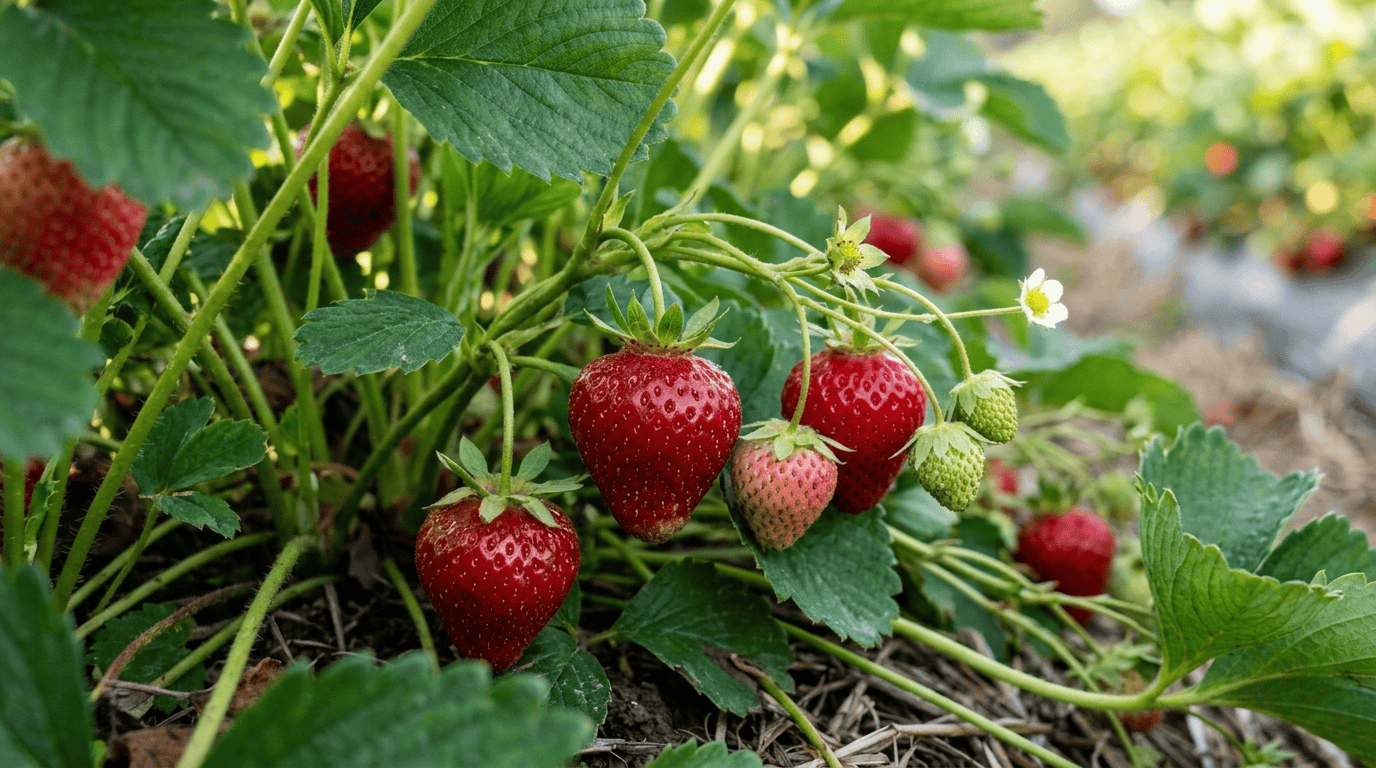
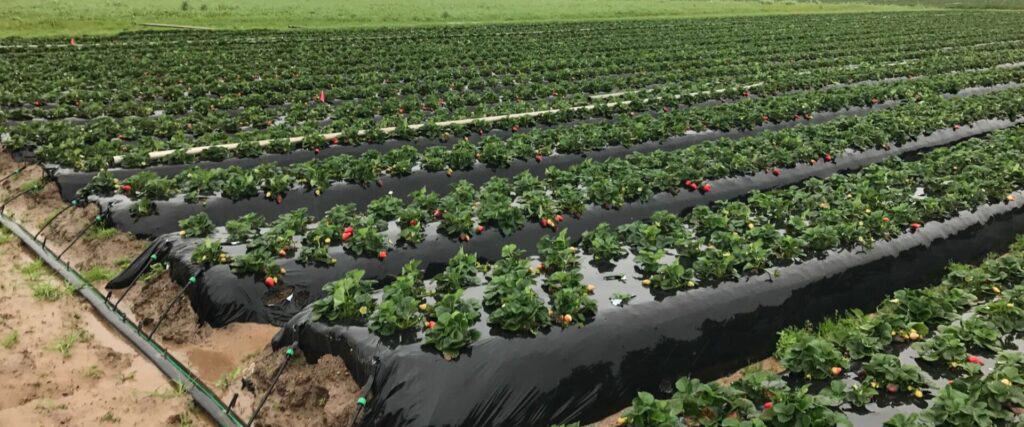
Organic strawberries are now a common sight in grocery stores and farmers markets across the United States. For most consumers, the USDA Organic seal is what defines them. If it is labeled organic, it is assumed to have been grown under strict and verified standards.
That assumption is mostly correct, but it only tells part of the story.
Certified organic strawberry growers must meet USDA National Organic Program requirements, pass inspections, and maintain detailed records of how their crops are grown. These standards are designed to ensure consistency, transparency, and environmental responsibility.
But organic strawberry production is not defined by the field alone.
It is the result of a much longer production system that begins well before a strawberry plant is ever placed in the soil.
And one of the least visible parts of that system is the plant itself.
What Makes a Strawberry Grower Certified Organic?
A certified organic strawberry grower is a farm that has been approved by an accredited certifying body under USDA organic regulations.
To maintain that certification, growers must:
- Follow USDA approved organic production standards
- Use only approved inputs for soil fertility and pest management
- Maintain a written organic system plan
- Keep detailed records of all farming activities
- Undergo annual inspections and audits
- Demonstrate continuous compliance with organic regulations
At a glance
| Requirement | What it ensures |
| USDA certification | Legal approval to sell organic strawberries |
| Annual inspections | Ongoing third party verification |
| Organic system plan | Documented farm management approach |
| Approved inputs | Must be reviewed & approved by 3rd party certifiers – absolutely no prohibited synthetic chemical |
| Recordkeeping | Full traceability of production |
This is the foundation of what defines certified organic strawberry growers in the United States
Why Strawberries Are One of the Most Demanding Organic Crops
Strawberries are highly sensitive compared to many other fruit crops.
They are vulnerable to:
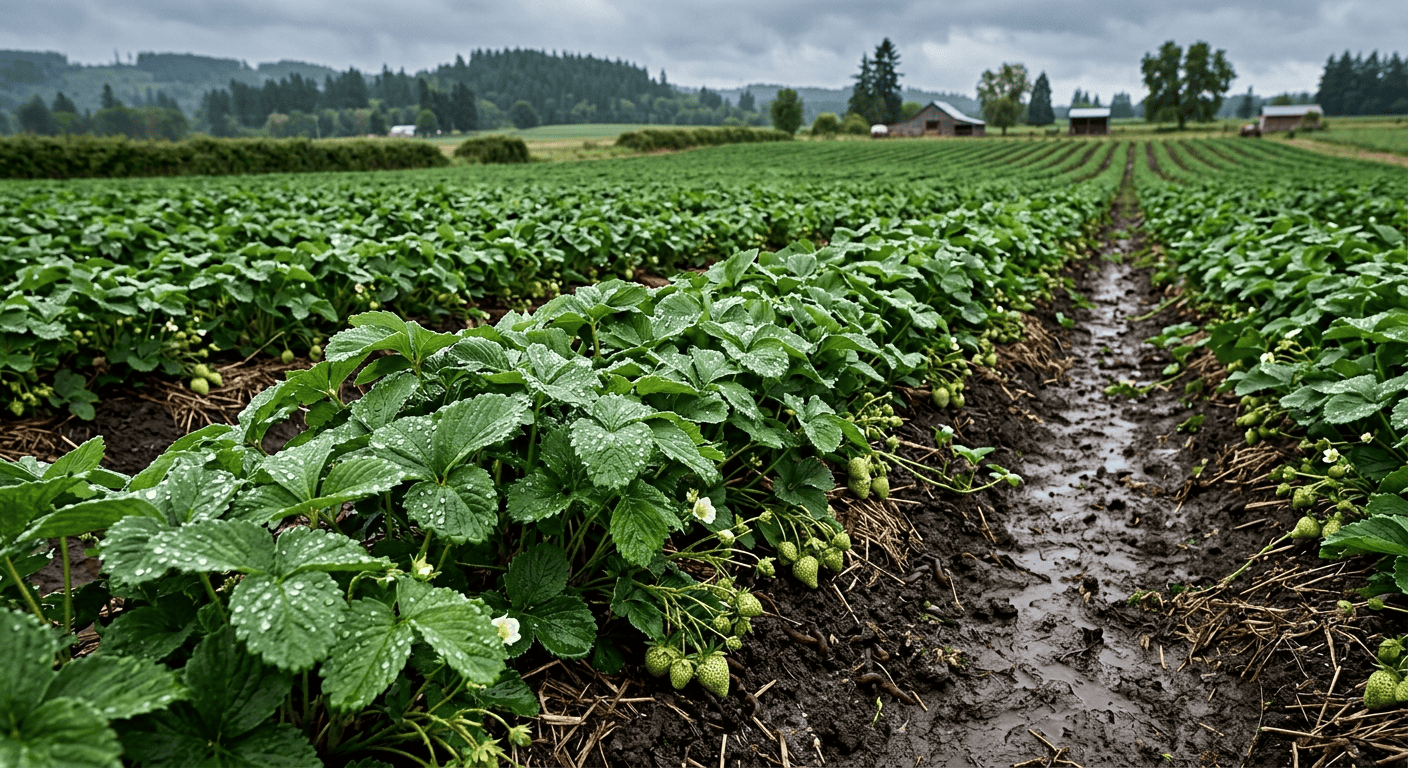
- Soil borne disease
- Fungal infections
- Insect pests
- Weed competition
- Water, fertility and irrigation imbalance
In conventional systems, these challenges are often managed with synthetic tools.
Organic growers rely instead on prevention, soil health, biological balance, and careful crop management strategies that build resilience over time.
Because of this, success in organic strawberry production depends heavily on one early factor.
The quality of the plant itself.
The Part of Organic Strawberry Production Most People Never See
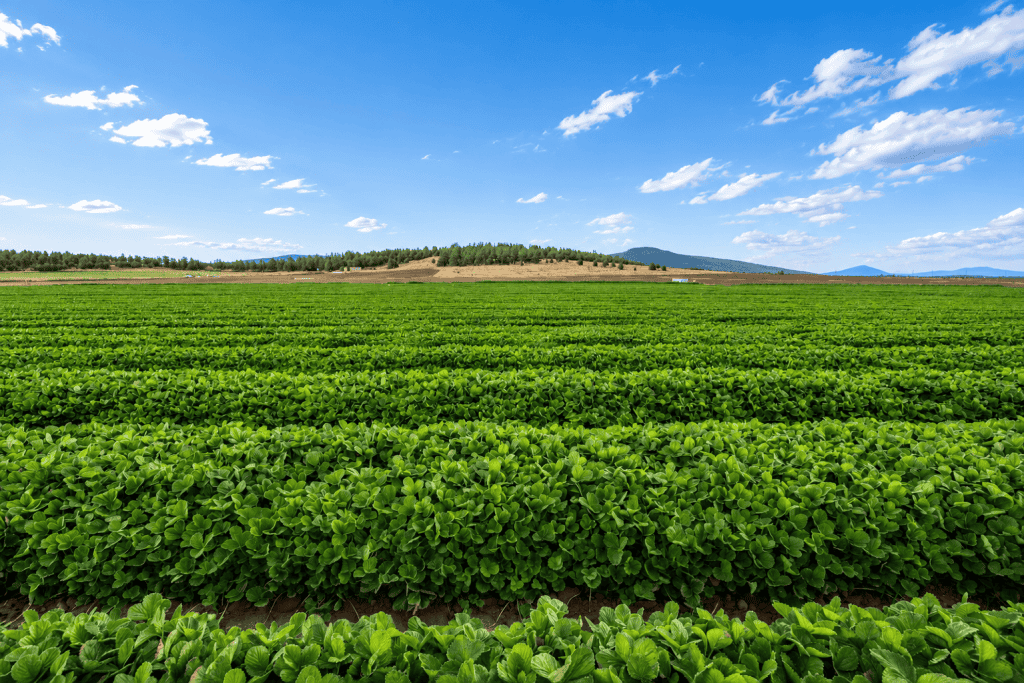
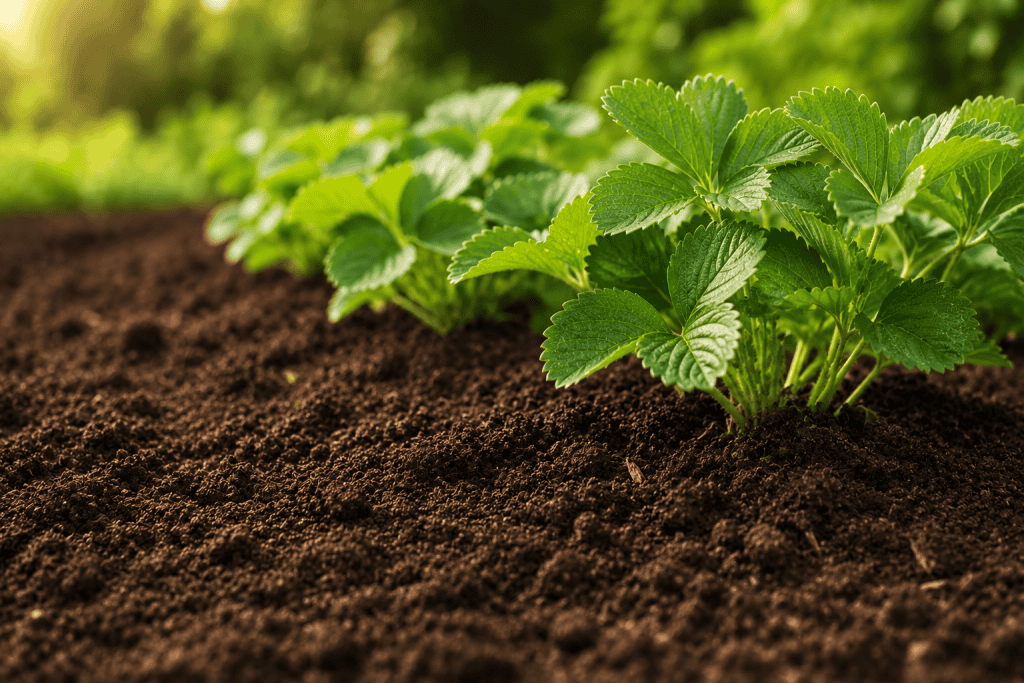
Every organic strawberry field begins with a plant.
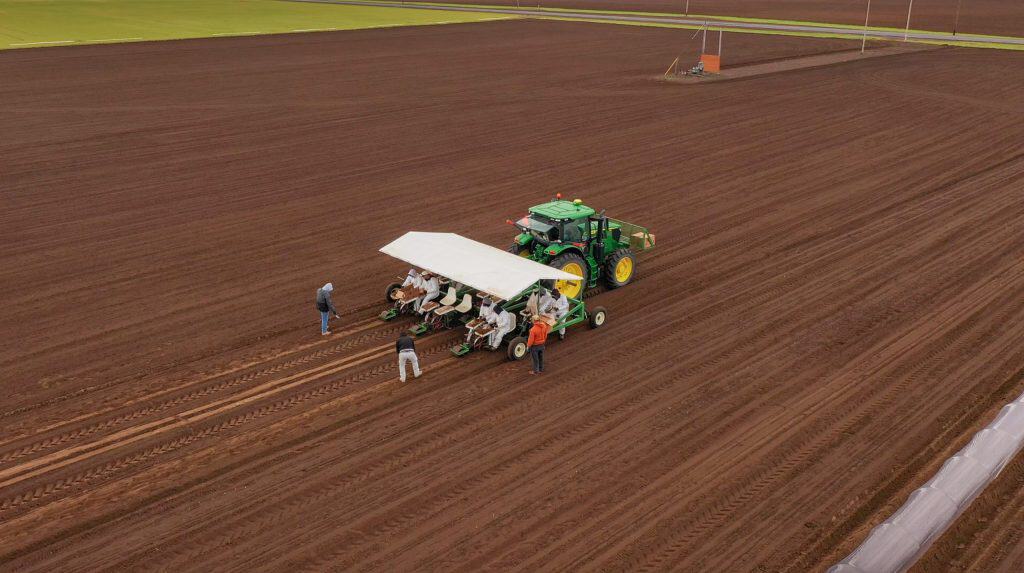
In commercial production, this is often a bare root strawberry plant. These are dormant plants that are lifted from nursery beds without soil around the roots and then shipped to growers for field planting.
Bare root plants are widely used because they are efficient to transport and well suited to large scale strawberry production systems.
However, the early stage of producing these plants has historically been one of the most overlooked parts of the organic supply chain.
While growers may operate under full USDA organic certification, sourcing certified organic bare root strawberry plants has not always been simple or widely available.
This created a gap in the system.
The grower’s field could be certified organic, but the plant stage (the plant nursery field) did not always reflect the same level of organic production.
Innovative Organic Nursery as a Leader in Organic Strawberry Plant Production
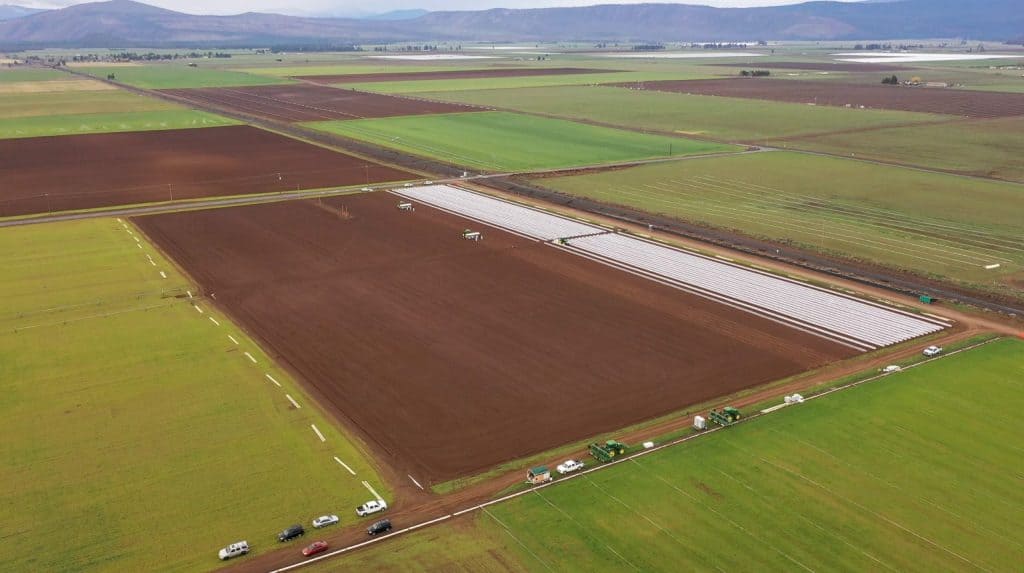
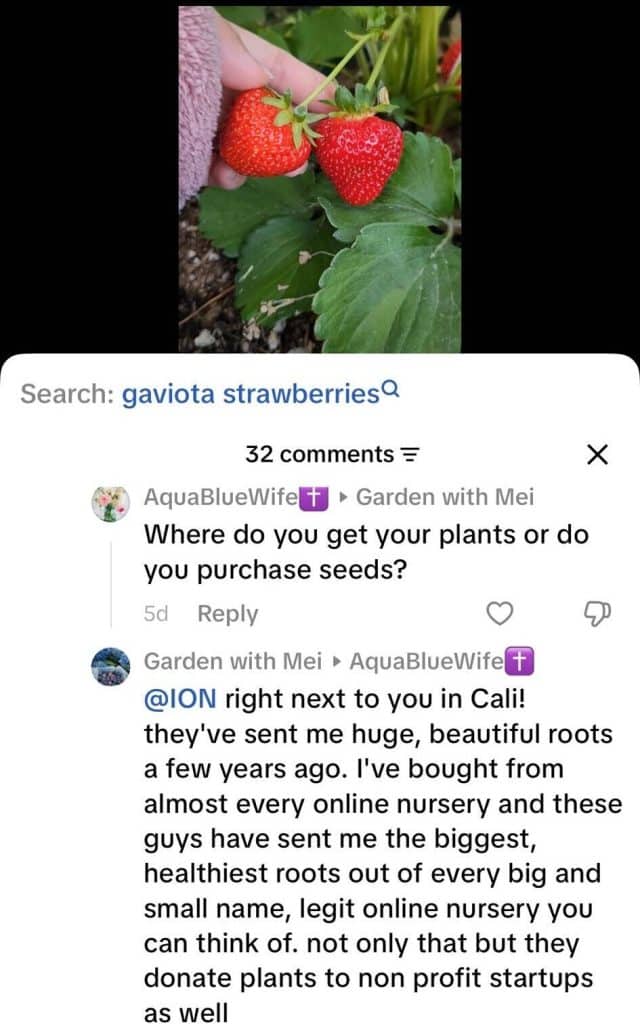
Innovative Organic Nursery, LLC (ION) operates within this early stage of the organic strawberry supply chain, focusing specifically on plant production.
Founded in 2016, ION was developed to produce certified organic strawberry plants for growers operating under USDA organic certification guidelines.
Rather than producing fruit, the nursery focuses on propagation. This is the stage where strawberry plants are grown and prepared before they are ever planted in a grower’s field.
This places ION within a specialized segment of agriculture that supports the foundation of organic strawberry production.
What defines ION’s approach to organic production
ION’s production system is built around certified organic nursery practices and focuses on:
- Producing certified organic bare root strawberry plants under USDA organic standards
- Using organic compliant soil fertility and crop management practices during propagation
- Supporting healthy root development and plant vigor through controlled nursery systems
- Maintaining full organic certification requirements across nursery production
- Supplying planting stock intended specifically for certified organic field systems
These practices are not separate from organic agriculture. They are part of it.
Because strawberries are highly sensitive during establishment, the condition of the plant at planting stage plays a major role in field success at the grower’s field.
By focusing exclusively on organic strawberry plant production, ION occupies an important position in the broader organic supply chain.
Why Organic Strawberry Plants Matter
Organic strawberries are often discussed as a finished product, but the production system behind them begins much earlier.
One of the most important inputs is the plant itself, particularly bare root strawberry plants used in commercial farming systems.
Starting with certified organic planting stock can influence:
- How well plants establish in the field
- Early season plant vigor and growth
- Disease resistance and crop resilience
- Yield consistency over time
- Alignment with organic certification goals
For growers, planting stock is not a small detail. It is the starting point of the entire production cycle.
How to Identify Truly Certified Organic Strawberry Growers
From a consumer perspective, identifying organic strawberries is relatively straightforward.
Look for:
- USDA Organic seal on packaging
- Certified organic labeling from farms or brands
- Verification through USDA Organic Integrity Database
What is not always visible is the upstream structure that supports those farms, including nursery production systems and bare root plant supply chains.
Are All Organic Strawberry Growers the Same?
No.
While all certified organic strawberry growers must meet USDA standards, there is still variation across the industry.
| Factor | Differences in practice |
| Farm size | Small farms to large commercial operations |
| Growing regions | California, Florida, Oregon, Washington, Baja Mexico |
| Strawberry types | Day neutral, short day and June bearing varieties |
| Planting stock | Certified organic bare root plants vs mixed sources historically |
| Production systems | Different soil, irrigation, and management approaches |
Certification sets the baseline, but it does not standardize every aspect of production.
Frequently Asked Questions