
Fall 2026 & Spring 2027 Preorders Are Now Open Reserve Your Plants Today →

Fall 2026 & Spring 2027 Preorders Are Now Open Reserve Your Plants Today → Certified Organic Berry Plants Fall 2026 & Spring 2027 Preorders Are Now Open Reserve Your Plants Today → Certified Organic Berry Plants

Why Organic Planting Stock Matters

Two ways to grow a strawberry crown

How conventional strawberry plants are grown

Commercial nurseries have one job: produce millions of disease-free crowns as cheaply as possible. The conventional way to do that is to sterilize the soil before planting.
Conventional nursery

Sterilized ground

Soil

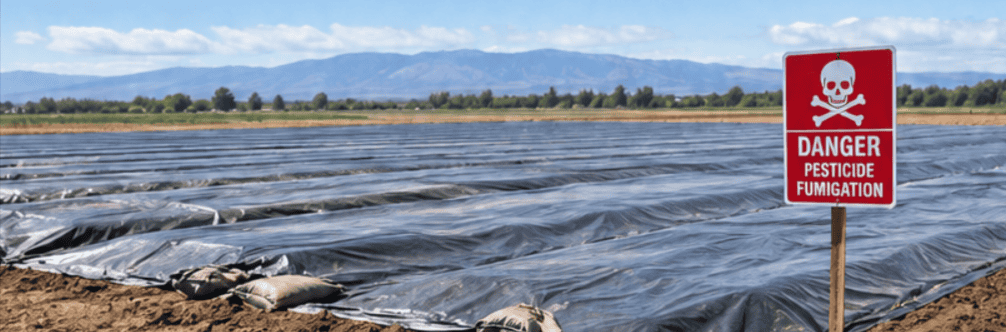
Fumigated under tarp — chloropicrin, 1,3-D, or metam sodium (methyl bromide until phase-out)


Fertility

Synthetic nitrogen


Disease

Conventional fungicide program


Verification

None required


Result

Clean crowns from dead soil

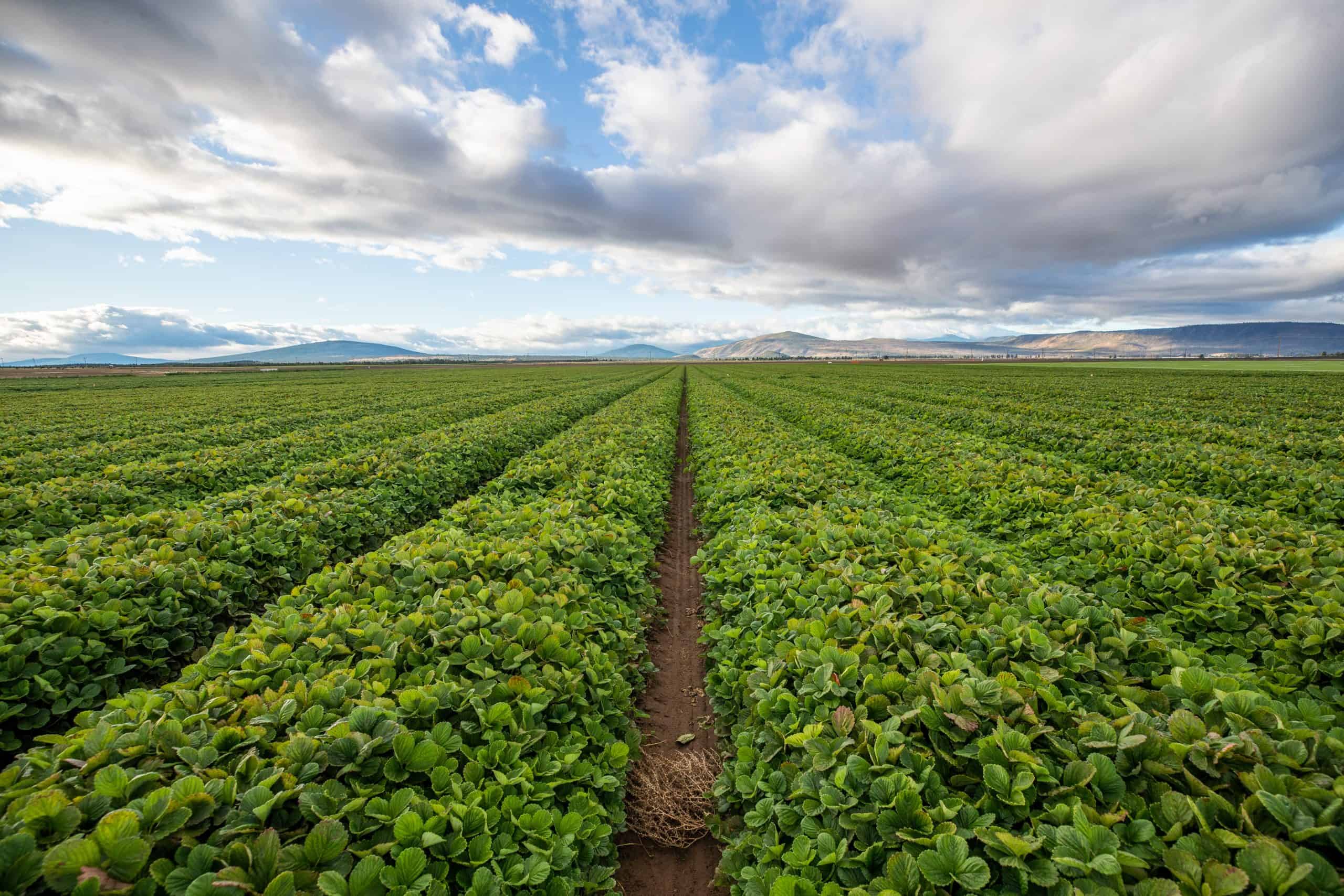
Large organic nursery with lush green plants under a cloudy sky.

Innovative Organic Nursery

Living ground


Soil

Disinfested without synthetic chemicals — steam, anaerobic soil disinfestation, and organic-approved peroxide — then re-inoculated with beneficial microbes


Fertility

Organic-approved inputs only, under a CCOF-inspected Organic System Plan


Disease

New clean mother stock every season; warm, low-humidity sites; beneficial insects released for above-ground pests


Verification

CCOF inspection every year, full audit trail


Result

Clean crowns from soil that’s alive when they’re dug

PROVE IT IN THE FIELD

Organic transplants were tested against conventional. They held up.

The idea sounded right, but belief alone was not enough. If organic strawberry planting stock was going to become a real option for growers, it had to perform outside a presentation and inside an actual production field.

TRIAL ONE

Could the plants establish?

Organic and conventional plants were evaluated side by side under comparable field conditions. The first question was basic but essential: would organically produced transplants survive handling, establish roots, and develop into commercially useful plants?

TRIAL TWO

Could the result be repeated?

One successful trial can be encouraging without proving a system. A second round tested whether the nursery approach could produce dependable plants again—and whether lessons from the first trial could improve consistency.

Read the tag

Certified organic vs. "organically grown"

Three phrases show up on plant listings, and they don't mean the same thing.

PHRASE WHAT IT ACTUALLY MEANS WHO VERIFIES IT
Certified organic ORGANIC
Grown under an approved Organic System Plan on land free of prohibited substances for 3+ years, inspected annually, with an audit trail from mother stock to shipment. A USDA-accredited certifier.
Ours is CCOF; the certificate is public.
“Organically grown” UNVERIFIED
Whatever the seller decides it means. Often sincere, but no inspection, no records, and no land-history requirement. Nobody.
Conventional Fumigated soil and synthetic inputs permitted. Most bare-root strawberry plants sold online fall here — including many sold by stores with “organic” in the name. N/A

The ION way

How we grow organic strawberry plants

0

Synthetic fumigants, ever

One successful trial can be encouraging without proving a system. A second round tested whether the nursery approach could produce dependable plants again—and whether lessons from the first trial could improve consistency.

2016

CCOF certified since

Annual inspection, full audit trail. Certificate on our Certifications page or sent to your certifier on request.

100%

Backed by the ION Guarantee

Every plant we ship. Read the guarantee →

4,200 ft

Macdoel, Butte Valley

Our high-elevation nursery near Mt. Shasta. Cold winters and dry air mean hardy, fully dormant crowns and low disease pressure.

2

Growing regions, 2 state licenses

High-elevation ground in Siskiyou County and low-elevation ground in the San Joaquin Valley, each under its own California nursery-stock license.

1M+

Plants per season

From ten crowns for a raised bed to a million for a commercial field. Mother plants are replaced with clean stock every year.

From the field

What "no fumigation" looks like in practice

Planting day · Macdoel, CA

Plants, drip tape, tunnels

Those white low tunnels are frost and wind protection over living plants at 4,200 feet, put on after planting. A fumigation tarp is the opposite: sealed flat over bare soil, before anything is planted, to hold gas in the ground. If you see plastic in our fields, it’s the first kind.

FOLLOW THE WORK

See organic nursery work as it happens.

From planting and field trials to digging and cold storage,
follow the people doing the work.

TRUSTED BY GROWERS

Real reviews. Independent platforms.

RECOGNIZED BY

Shopping cart0
There are no products in the cart!
Continue shopping
0