

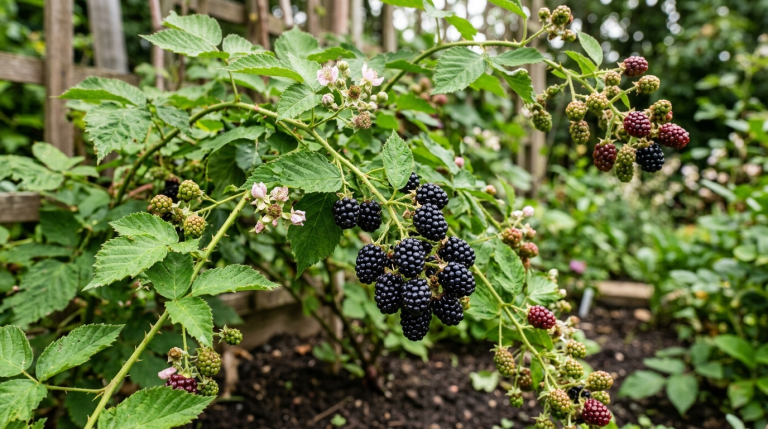
From Grocery Store to Garden: How to Start Growing Your Own Berries at Home
For many families, buying berries at the grocery store has become a weekly routine. Strawberries, raspberries, blueberries, and blackberries are among the most popular fruits in America—but they’re also some of the most expensive.
What if you could produce at least some of those berries yourself?
The good news is that growing your own berries has never been more accessible. With improved plant varieties, organic planting stock, and innovative growing systems, homeowners and gardeners now have more options than ever to reduce their dependence on store-bought fruit and enjoy fresh berries grown right at home.
At Innovative Organic Nursery (ION), we believe anyone can start that journey.
Why More People Are Growing Their Own Food
Over the last several years, interest in home gardening has exploded.
Many people are looking for ways to:
- Save money on groceries
- Know exactly where their food comes from
- Reduce exposure to chemicals
- Increase food security for their families
- Enjoy fresher, better-tasting produce
Berries are often one of the easiest and most rewarding crops for beginners in home gardening because they produce delicious fruit while requiring relatively little space.
Even a small garden can produce an impressive harvest.
You Don’t Need a Farm
When people hear about growing berries, they often picture acres of farmland.
But you don’t need a farm to grow fruit.
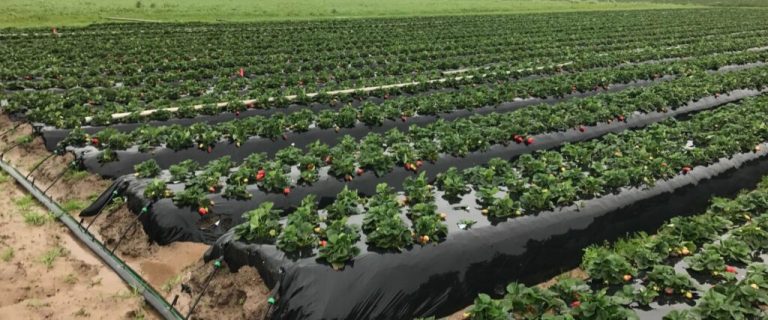
Many gardeners successfully grow strawberries in:
- Raised garden beds
- Containers
- Hanging baskets
- Small backyard gardens
- Urban growing spaces
- Indoor growing towers
Whether you have a large property or a small patio, there are options available that can fit your lifestyle and growing goals.
The key is choosing the right plants and creating a growing environment that works for your space.
Can You Grow All of Your Own Berries?
The answer may surprise you: yes, it’s possible.
Many homesteaders and dedicated gardeners grow the majority—or even all—of the berries their families consume each year.
With thoughtful planning and a combination of outdoor and indoor growing methods, berry production can extend well beyond the traditional growing season.
While most people begin by replacing a portion of their grocery store purchases, many eventually discover they can produce far more fruit than they originally imagined.
Growing Berries Year-Round
Technology has made year-round berry production increasingly accessible.
In addition to traditional outdoor gardens, indoor growing systems now allow people to continue producing fruit even during colder months.
Vertical growing towers and hydroponic systems, such as those offered by Gardyn, Inc. allow homeowners to grow strawberries and other produce indoors throughout much of the year. These systems can help bridge seasonal gaps when outdoor plants are dormant, providing fresh fruit even during the winter months.
When combined with outdoor production during the natural outdoor growing season, these tools can dramatically reduce the amount of fruit a household needs to purchase from the store.
Small Steps Lead to Big Results
The transition from buying berries to growing berries doesn’t have to happen overnight.
Start with a few plants.
Learn what grows best in your environment.
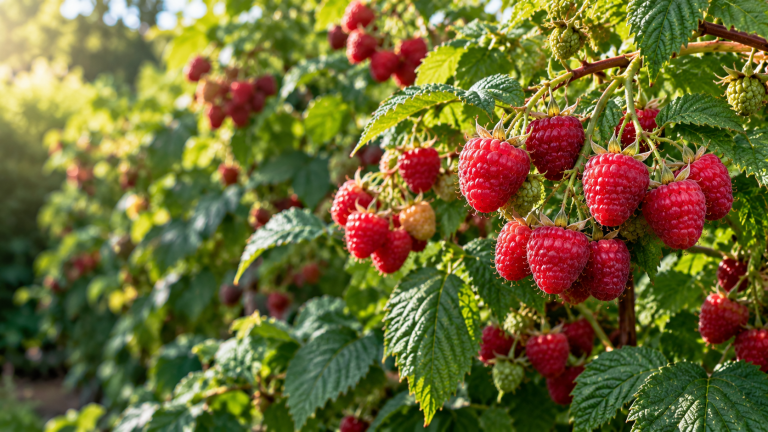
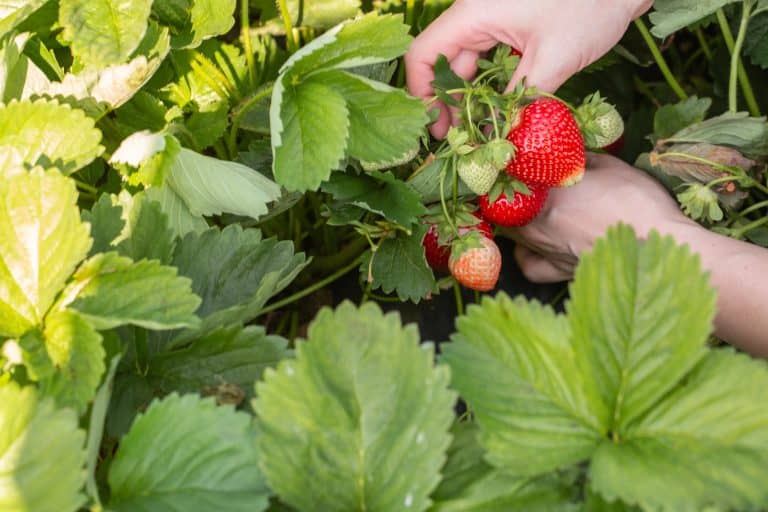
Enjoy the satisfaction of harvesting your first strawberries, raspberries, or blackberries.
Over time, you can expand your garden, experiment with new varieties, and increase your production as your confidence grows.
Every berry you harvest yourself is one less berry that had to be shipped across the country, packaged, and purchased from a store.
Growing More Than Just Fruit
At its core, growing your own berries is about more than saving money or producing food.
It’s about reconnecting with the growing process.
It’s about understanding where your food comes from.
It’s about creating healthier habits, stronger food systems, and a greater sense of self-sufficiency.
At ION, we’re proud to provide the organic plants that help make that possible.
Whether you’re planting your first strawberry patch or building a backyard food forest, every harvest starts with a healthy plant—and every healthy plant is an opportunity to grow something meaningful.