
Why Growing Your Own Food Matters More Than Ever
Taking Control of Where Your Food Comes From
What kind of culture do we want to build around our food system?
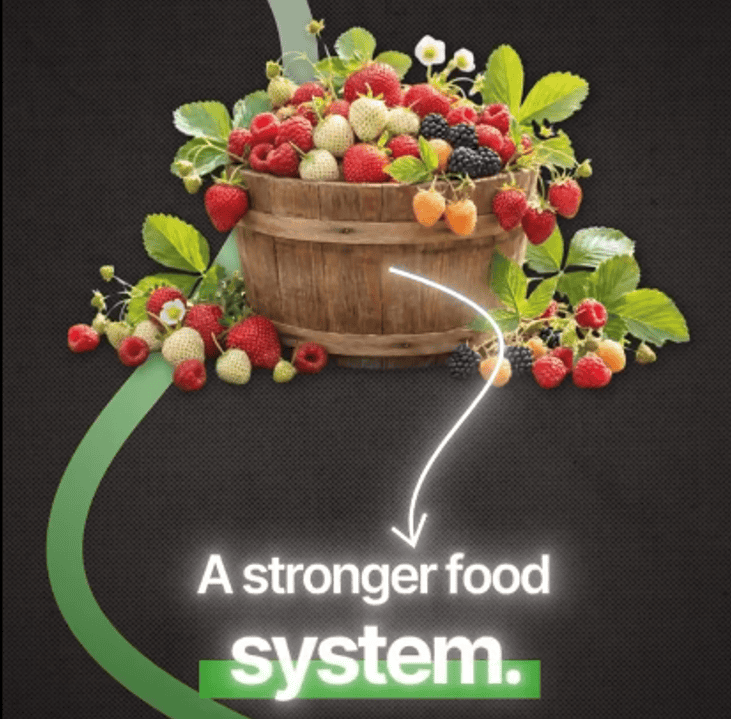
It’s a powerful question — and one that more families, growers, and communities are beginning to ask. A stronger, more resilient food system doesn’t start at the grocery store. It starts at home.
At Innovative Organic Nursery, we believe the future of agriculture includes greater participation from everyday people. Whether someone has acres of land or a small apartment balcony, the ability to grow food — even in small quantities — changes how we value it, understand it, and protect it.
Growing your own food isn’t just about harvest. It’s about ownership, education, resilience, and reconnecting with the agricultural roots that sustain us all.
Why a Stronger Food System Starts at Home
The modern food system is efficient — but it’s also fragile. Supply chain disruptions, transportation costs, climate variability, and labor challenges have shown us how interconnected and vulnerable our food sources can be.
A resilient food system includes:
- Diversified local production
- Backyard and small-scale gardens
- Urban agriculture
- Organic farming practices
- Community participation
When individuals take even small steps toward producing their own food, they contribute to food security and sustainability at a broader level.
Benefits of Growing Your Own Food
- Greater food transparency
- Reduced dependence distant supply chains
- Healthier eating habits
- Increased awareness of agricultural practices
- Appreciation for farmers and plant producers
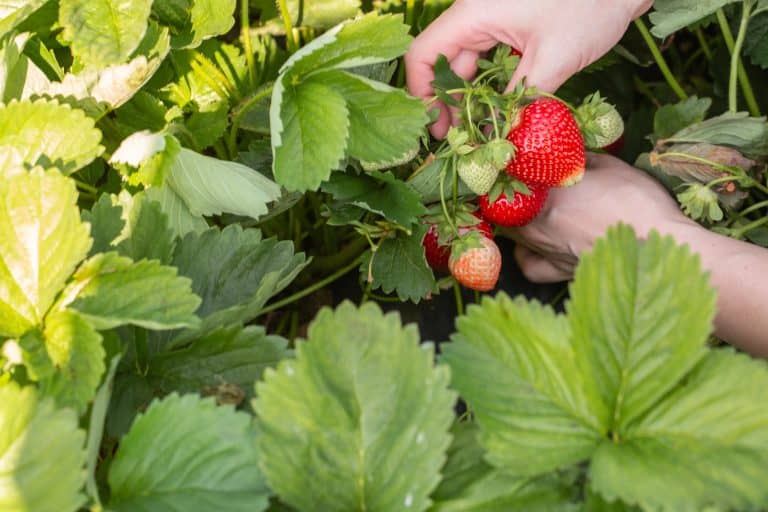
Even growing a few strawberry plants or seasonal vegetables deepens respect for what it takes to produce food successfully.
You Don’t Need Acres to Grow Food
One of the biggest misconceptions about home food production is that you need land.
While large gardens and small farms are powerful contributors to local food systems, innovation has made it possible for anyone to participate — even in compact living spaces.
Growing Food in Large Spaces
For those with available land:
- Raised bed vegetable gardens
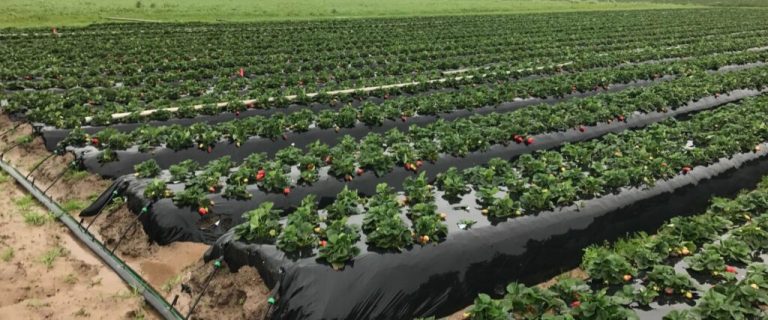
- Backyard strawberry patches
- Orchard rows
- Small-scale organic production
Using certified organic plants and healthy soil practices ensures productivity while supporting ecological balance.
Innovative Organic Nursery works with growers of all sizes to provide high-quality organic plants that perform in both backyard and commercial settings.
Growing Food in Small Spaces and Apartments
Urban living doesn’t exclude participation in food production.
Today, indoor growing systems and compact gardening solutions allow families to produce food year-round — regardless of climate or square footage. Technologies like vertical growing systems and indoor hydroponic units make it possible to:
- Grow leafy greens year-round
- Produce strawberries indoors
- Cultivate herbs in small kitchens
- Teach children about food production
These systems help individuals “take production into their own hands,” reinforcing how valuable and complex food growing truly is.
Why Organic Growing Practices Matter
If we’re building a stronger food culture, it must prioritize long-term soil health, environmental stewardship, and plant integrity.
Organic growing supports:
- Soil biodiversity
- Reduced synthetic chemical inputs
- Healthier ecosystems
- Cleaner water systems
- Sustainable agricultural practices
At Innovative Organic Nursery, producing certified organic plants means supporting growers who care about both yield and responsibility. Organic plant production isn’t just a label — it’s a commitment to regenerative agriculture and long-term sustainability.
Growing Food Teaches What Grocery Stores Cannot
When someone grows their first tomato, harvests their first strawberry, or nurtures a plant from transplant to fruit, something shifts.
They learn:
- How much care and timing matters
- The importance of soil fertility
- The role of irrigation and sunlight
- The patience required in agriculture
Food stops being a commodity and becomes a process.
This shift in perspective strengthens the entire food system because it builds empathy for farmers, plant nurseries, and agricultural workers who make food production possible at scale, consistently.
Community Participation Builds Agricultural Resilience
A healthy food system isn’t built by large farms alone. It’s strengthened by:
- Backyard growers
- Community gardens
- Urban agriculture programs
- School garden initiatives
- Local organic plant nurseries
When participation increases, knowledge spreads. And when knowledge spreads, resilience follows.
The more people understand food production, the more they advocate for responsible agricultural policies, organic farming methods, and sustainable growing systems.
The Role of Organic Nurseries in a Stronger Food System
Quality plant material is the foundation of successful food production.
Organic nurseries play a critical role by:
- Producing disease-free plants
- Ensuring a strong start in the grower fields
- Supporting growers with reliable varieties
- Maintaining strict organic standards
Whether someone is planting strawberries on acres of farmland or installing a compact indoor growing system, starting with healthy, well-produced plants dramatically improves outcomes.
Innovative Organic Nursery supports both commercial growers and home gardeners who are committed to strengthening the food system through responsible production.
A Cultural Shift Toward Participation
Ultimately, building a stronger food system is about culture.
It’s about encouraging people to:
- Take ownership of their food supply
- Grow something — no matter how small
- Teach the next generation where food comes from
- Support organic and sustainable practices
Participation builds awareness. Awareness builds respect. Respect builds resilience.
Start Where You Are
You don’t need a farm to make a difference.
You can:
- Plant strawberries in a raised bed
- Grow greens indoors year-round
- Start a small vegetable garden
- Partner with local organic nurseries
- Teach children how plants grow
Every step toward participation strengthens the larger agricultural ecosystem.e.
Growing Forward
The future of our food system depends on engagement.
By empowering individuals to grow their own food — whether in large gardens or compact indoor systems — we cultivate more than crops. We cultivate understanding, stewardship, and resilience.
At Innovative Organic Nursery, we believe organic plant production plays a key role in that future. When people take part in growing their own food, they help shape a more secure, sustainable, and connected agricultural system for generations to come.