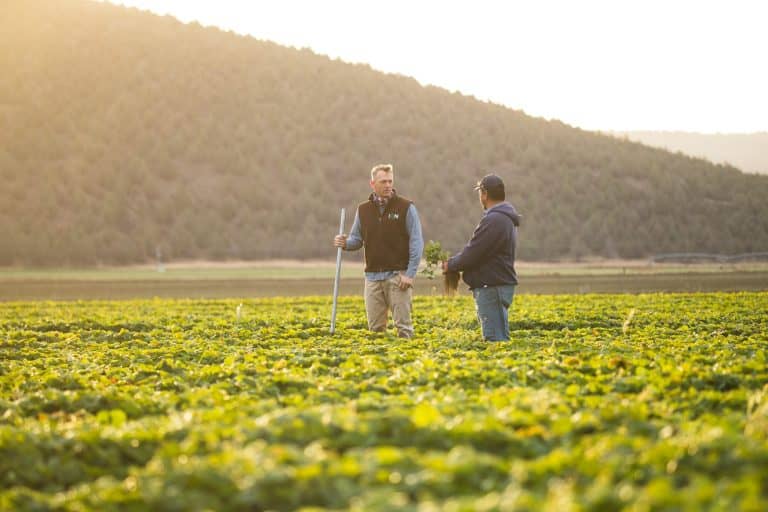

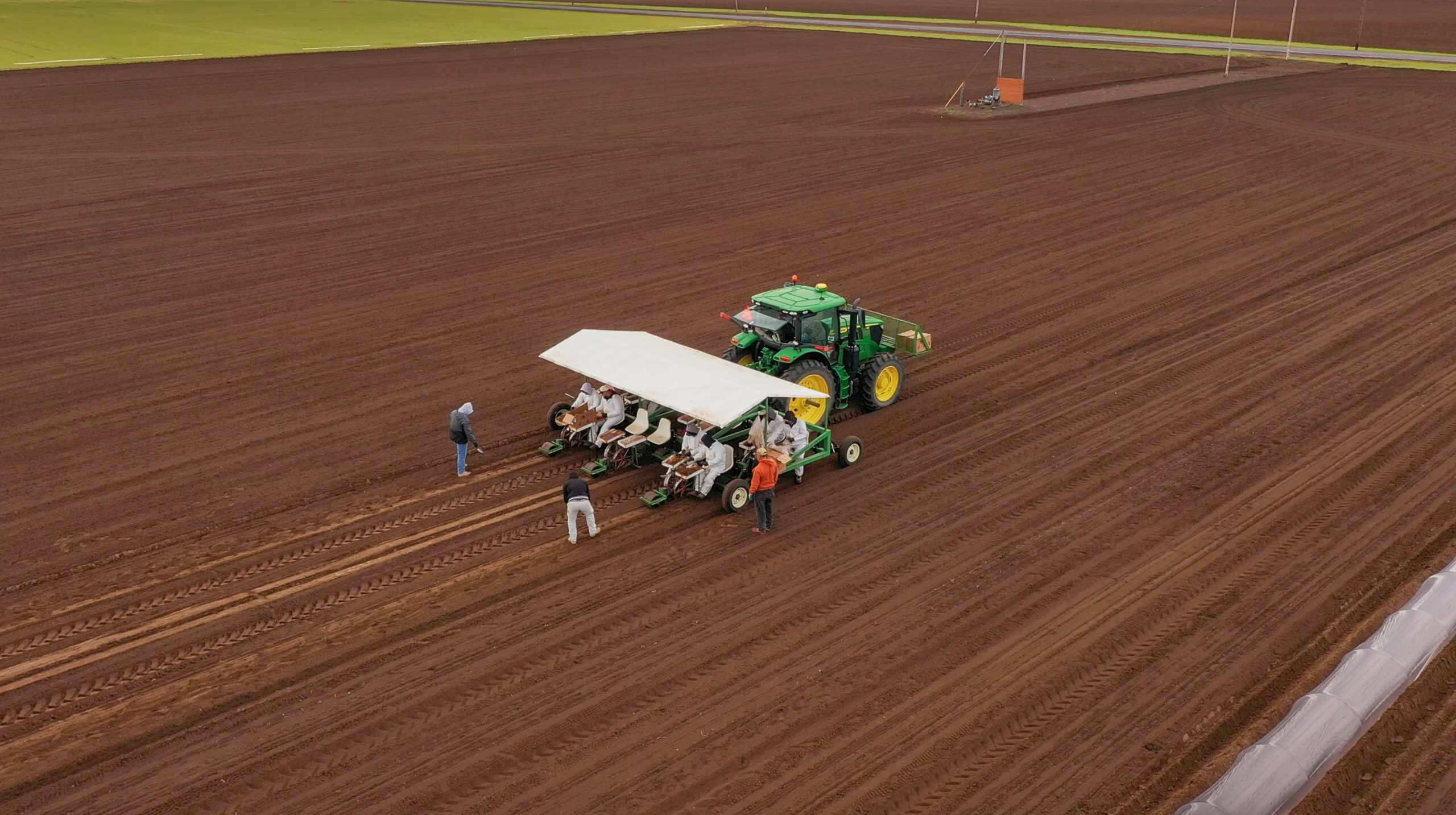
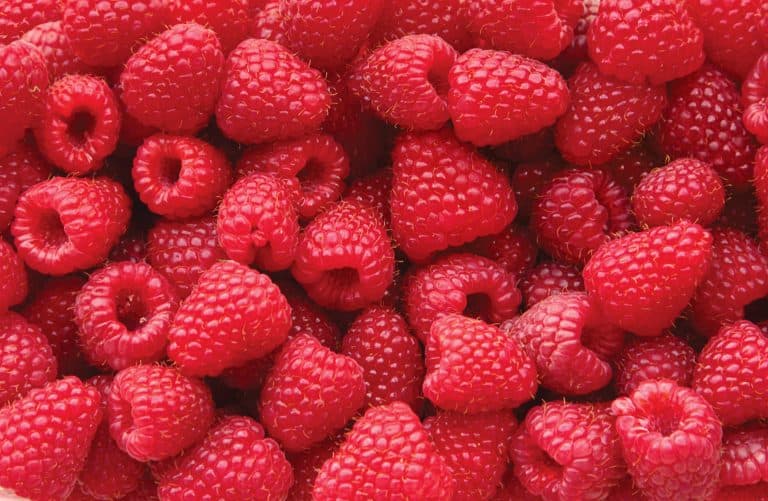
Well-prepared soil is what will make or break your berry harvest, long before you put a plant in the ground. Healthy plants are a product of healthy soil, so some forethought when your new arrivals come can pay off. The goal is to have an area where roots can put down quickly and find what they need to thrive, whether you are putting in organic strawberries, a patch of raspberries and blackberries, blueberries, or some combination of them.
You don’t have to make it complicated as a home gardener, but you should be thoughtful about it. A bit of advance work on the beds, drainage, and site inspection will put your berries on a better footing from day one.
Pick Your Spot
Start with the location before you get to work on the soil. For a successful crop, most berries want their share of sunlight. Six hours of direct light is a good rule of thumb for strawberries, raspberries, and blackberries; more sunlight will give you stronger plants, better blooms, and fruit with more flavor.
Find a place with solid morning and midday sun, and steer clear of low spots where water lingers after rain. Berries need moisture but not soggy roots. If the ground tends to stay wet, you might have to resort to raised beds or put in some work on the drainage. Don’t forget about airflow either. Plants hemmed in by a fence or thick shrubbery can stay damp too long and invite disease. Keep them in a more open area and they’re more likely to remain healthy for the season. The same goes for container gardening: put your pots in a convenient, sunny spot with good drainage.
Clear Things Out
When you have your site chosen, do a thorough job of clearing it. Get rid of any rocks, old roots, debris, and weeds. Weeds are just going to vie with your plants for space, sunlight and nutrients, and grass is particularly troublesome with its dense surface roots. Pull what you can by the root. If there is a lot of grass, you may have to take up the sod or lay down cardboard and compost to smother it. A clean bed is much easier to keep up with. And if you are growing organically, stick to organic methods of preparation rather than reaching for a harsh chemical killer.
Put the Soil to the Test
Before you plant, a soil test is well worth your while. It tells you what you are dealing with in terms of pH and nutrients, so you are not left guessing and adding amendments you don’t need.
There is a difference in what the various berries like. Strawberries are happy with slightly acidic conditions, but blueberries demand a much higher acidity. A test will tell you if your soil is suitable for both or if you have an issue to address. You can run a kit at home or have a local extension office look at a sample. Better to make the necessary adjustments ahead of time than try to fix things after the fact.
Make the Soil Work for You
What you want is a loose, rich medium that drains well. If you have heavy clay, sand, or soil that is low in organic matter, there are some things you can do to change that.
Work some compost into the top few inches. In sandy soil, it helps retain moisture; in heavy soil, it aids drainage and promotes the kind of microbial life your plants need. If the ground is compacted, a garden fork will do the trick to loosen it up. Just don’t over-till or work the soil when it is wet; you will only end up with clumps and compaction that make it harder for the roots to spread. You don’t want to reduce the bed to powder; you want soil that roots can make their way through with ease.
Take raised beds, for instance. They are an excellent option if your native soil or drainage is less than ideal. Simply put in a good-quality soil blend with compost that drains properly.
Plan for Good Drainage
When it comes to berry plants, drainage is paramount. Standing water is no friend to roots and can invite disease. After a rain or irrigation, take some time to see how water behaves at the spot you have in mind. If you see it pooling, you might want to raise the bed, put down some compost, or find another way for runoff to go. A little mound or a raised row will do the trick to keep roots from being wet. The same goes for containers: make sure your pots have holes in the bottom and don’t let them sit in saucers of water. An organic potting mix is preferable to garden soil in a pot since it is lighter and drains more evenly.
Add What is Needed
Resist the urge to put in every amendment on the shelf. More isn’t necessarily better and can create an imbalance in the soil; excess nitrogen will give you leaves, but at the cost of fruit. Let a soil test be your guide. Compost is fine for most berry beds, but lime, sulfur, or organic fertilizer should be added only if the test says so.
Blueberries are a great example. They require acidic soil, and getting the pH down isn’t something you can rush, so you’ll want to get started before the plants arrive and start showing any signs of stress. For strawberries, raspberries, and blackberries, if nutrient levels are low, work in a balanced organic fertilizer beforehand, being sure to follow the label.
Get Ready Before Delivery
It is best to have the area prepped by the time your plants show up. It takes the edge off for the plant and gives you some leeway. If you are putting in planting stock from Innovative Organic Nursery (ION) based in Macdoel, CA, you want to be ready to put them in right away so they can settle in. Your soil should be loosened, amended, and given a light watering if it is on the dry side. Have your tools, mulch, labels, and whatever else you need at hand. And if the weather is uncooperative on delivery day, protect the plants (a simple refrigerator is ok for a day or two) and put them into your soil as soon as you can.
Mulch Once Planted
After you have them in the ground, a layer of mulch will do the soil some good. It holds moisture, keeps the fruit clean, and puts the brakes on weeds. Straw, pine needles, or shredded leaves are all fine, depending on where you are and what you are growing. Just don’t pile it up against the stems or crowns; you want to leave room for air to circulate and keep things tidy.
In the end, preparing your soil is one of the most vital parts of the job. It makes for a stronger foundation and a garden that is easier to deal with come harvest time. Do your due diligence on the location, the structure, and the drainage. With well-prepared soil and healthy organic plants, you are set for a season of good berries.