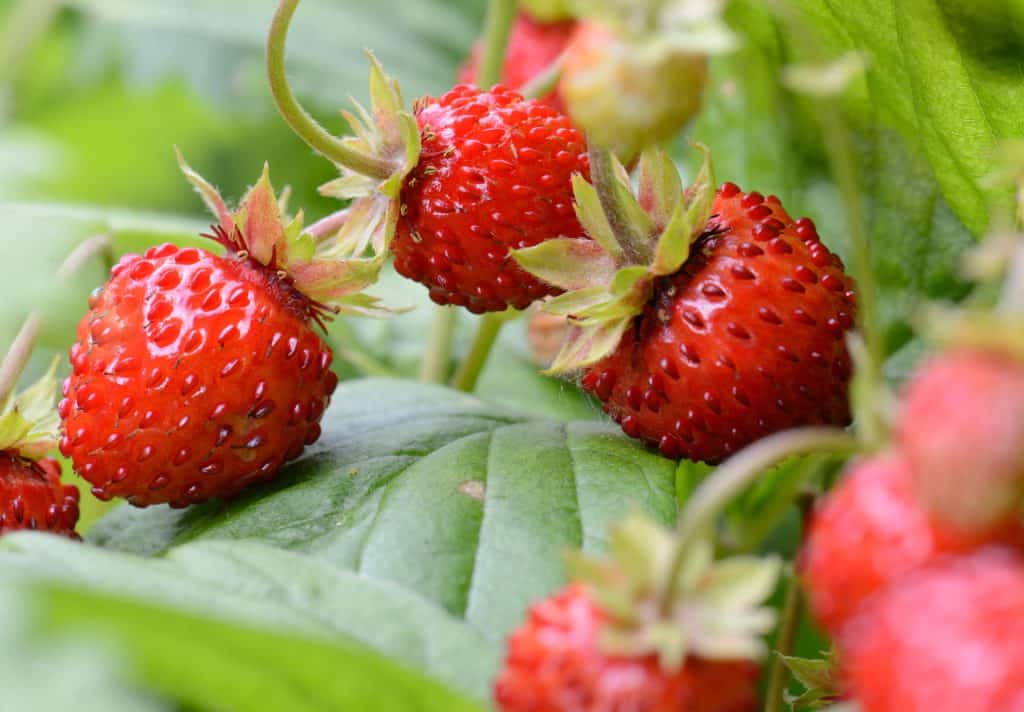
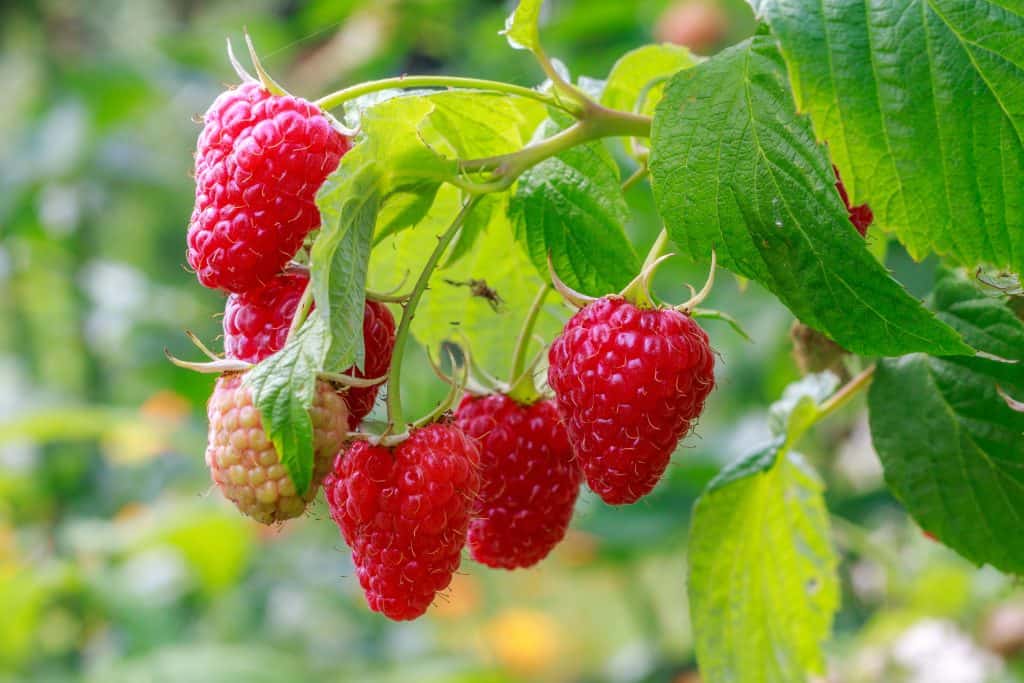
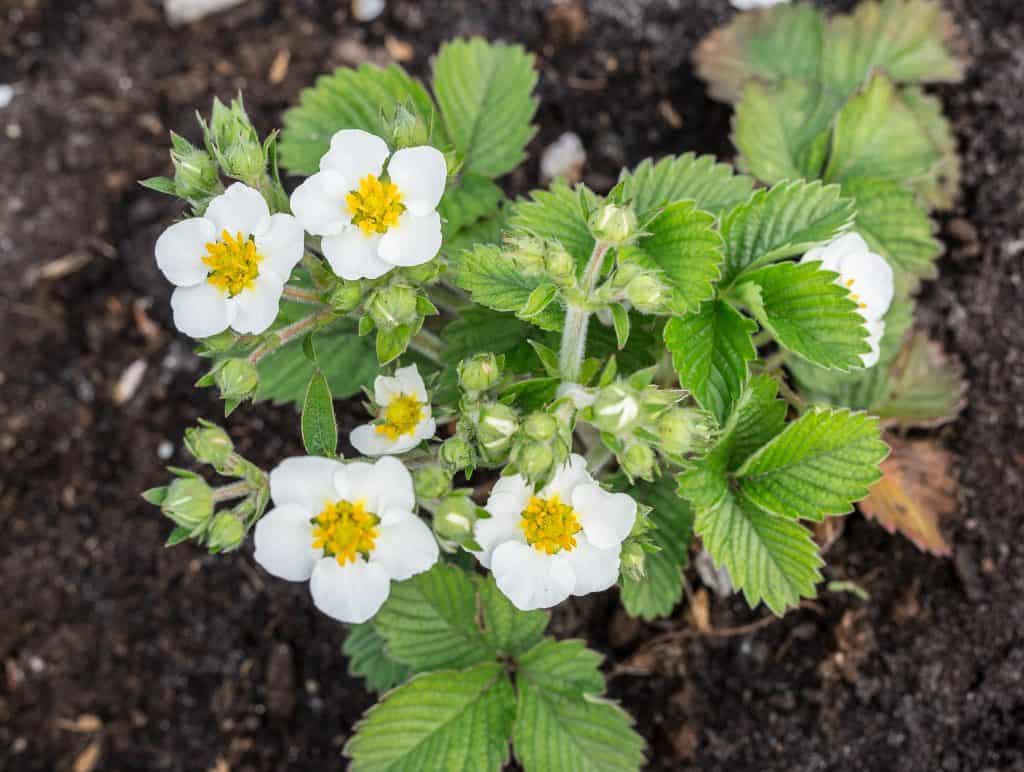
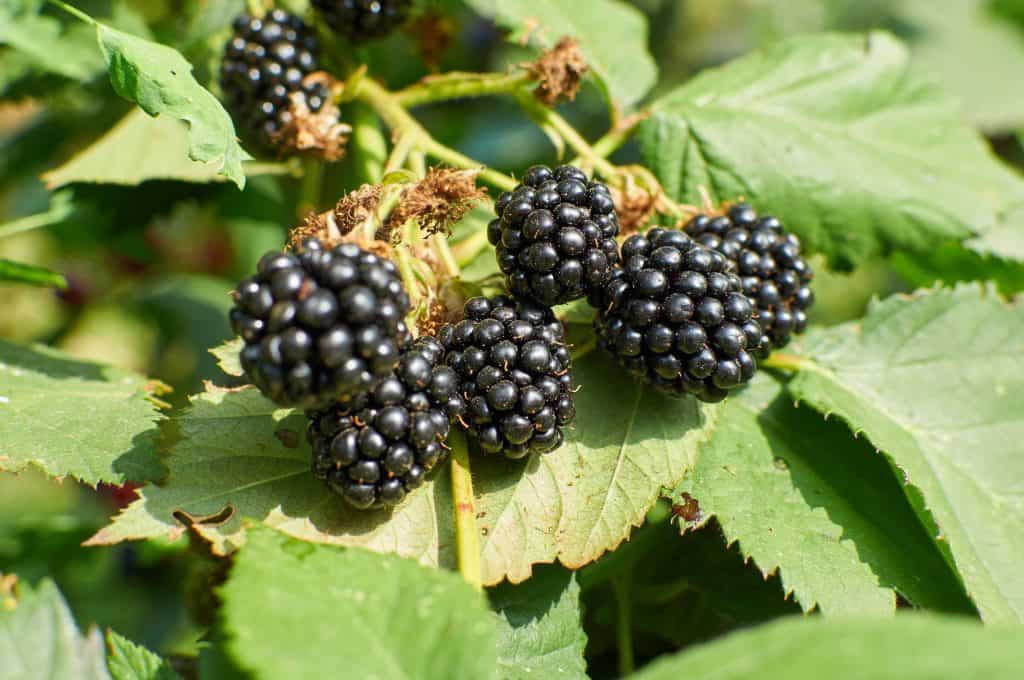
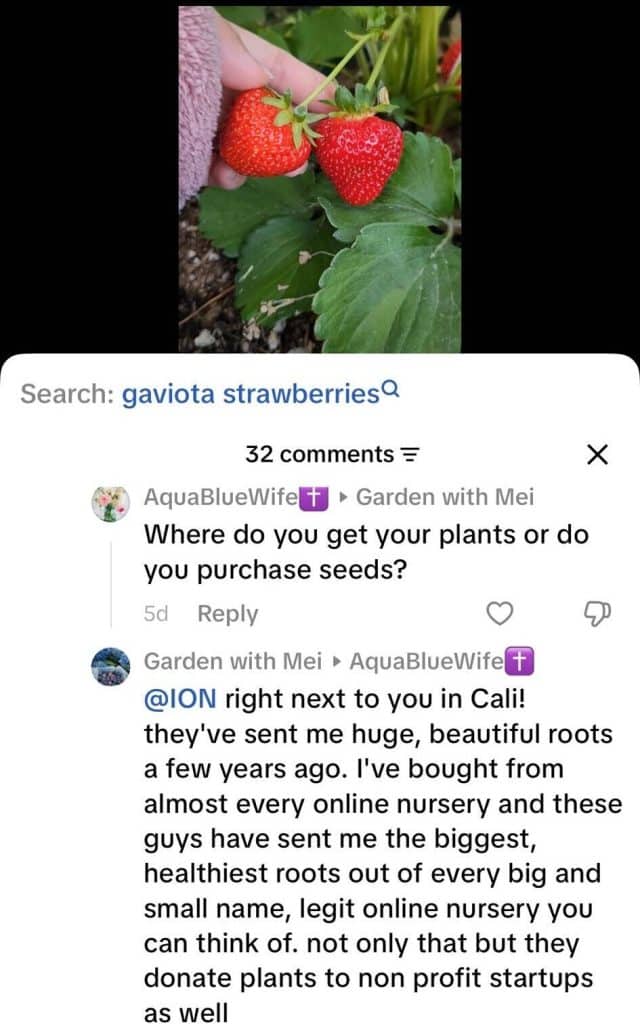
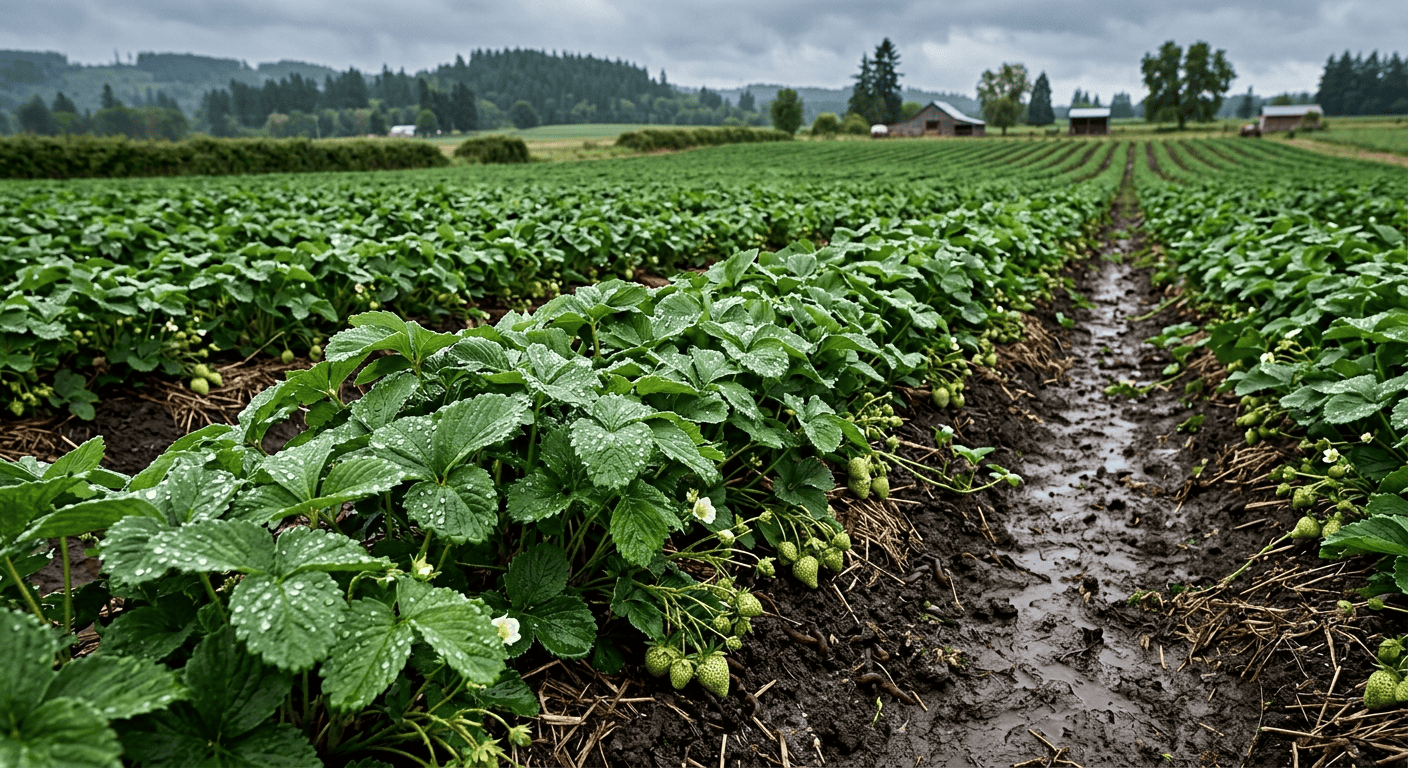
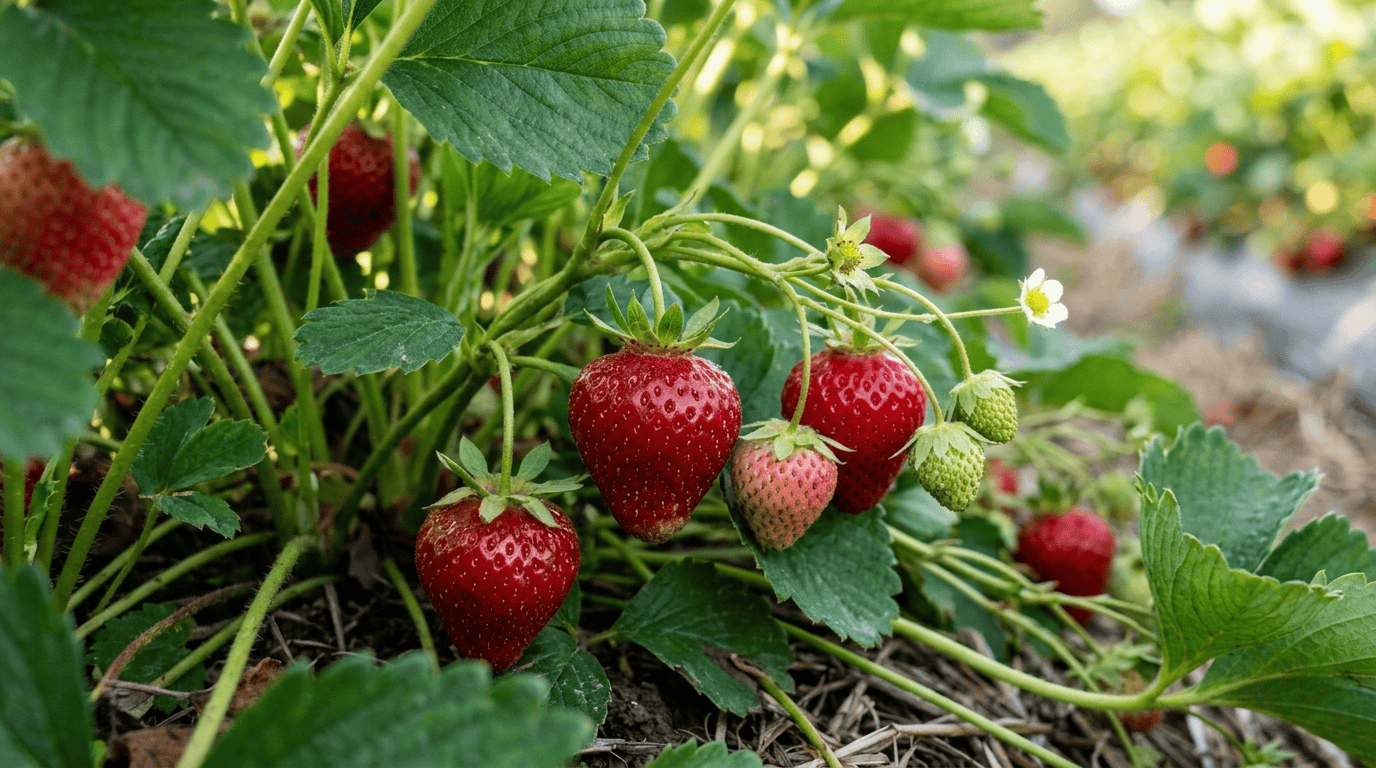
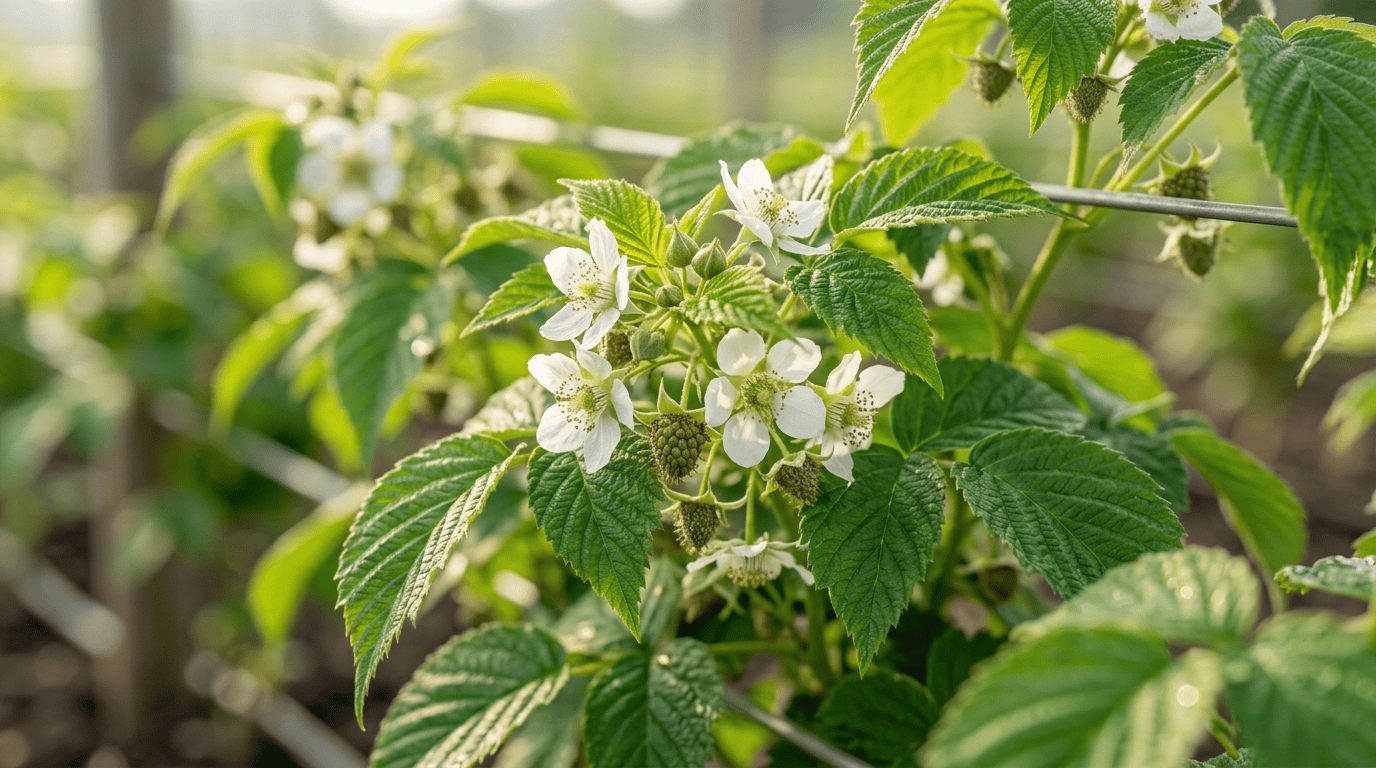
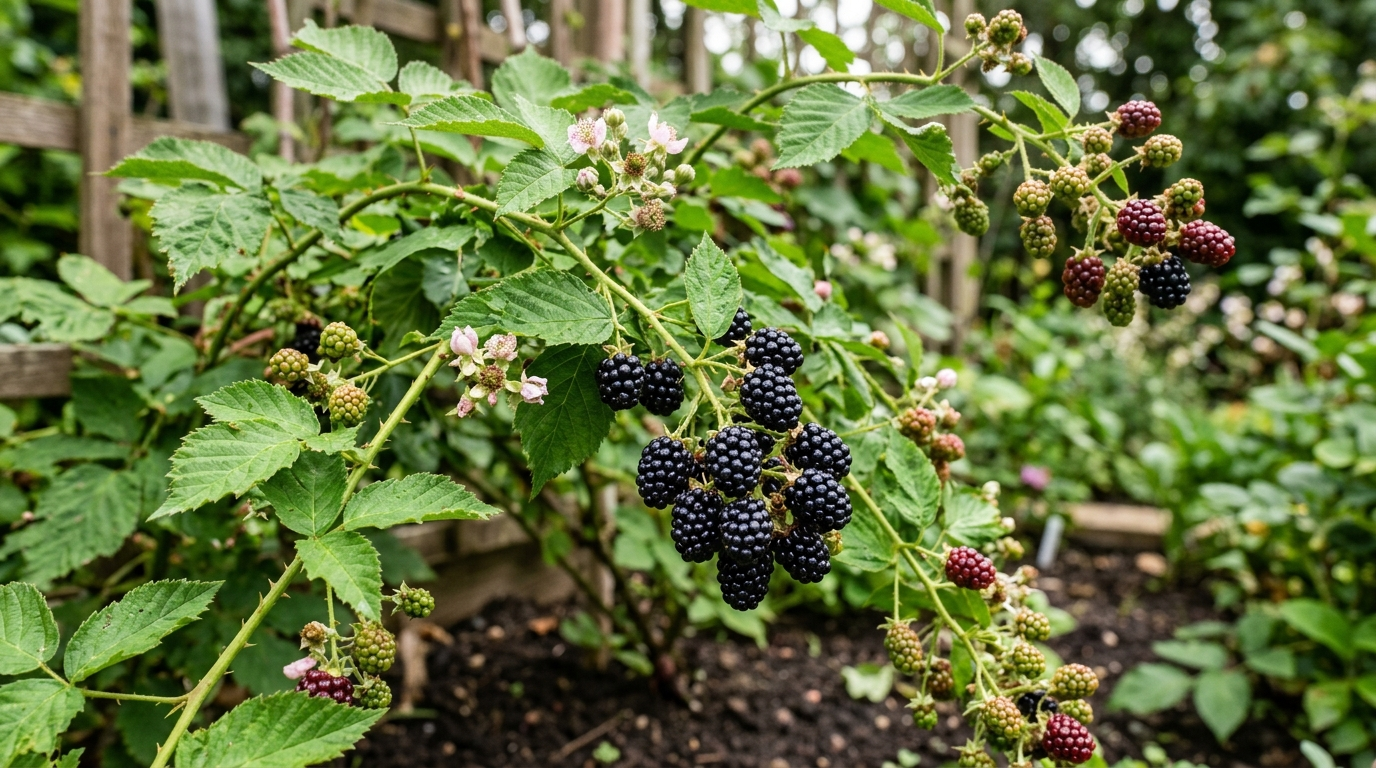
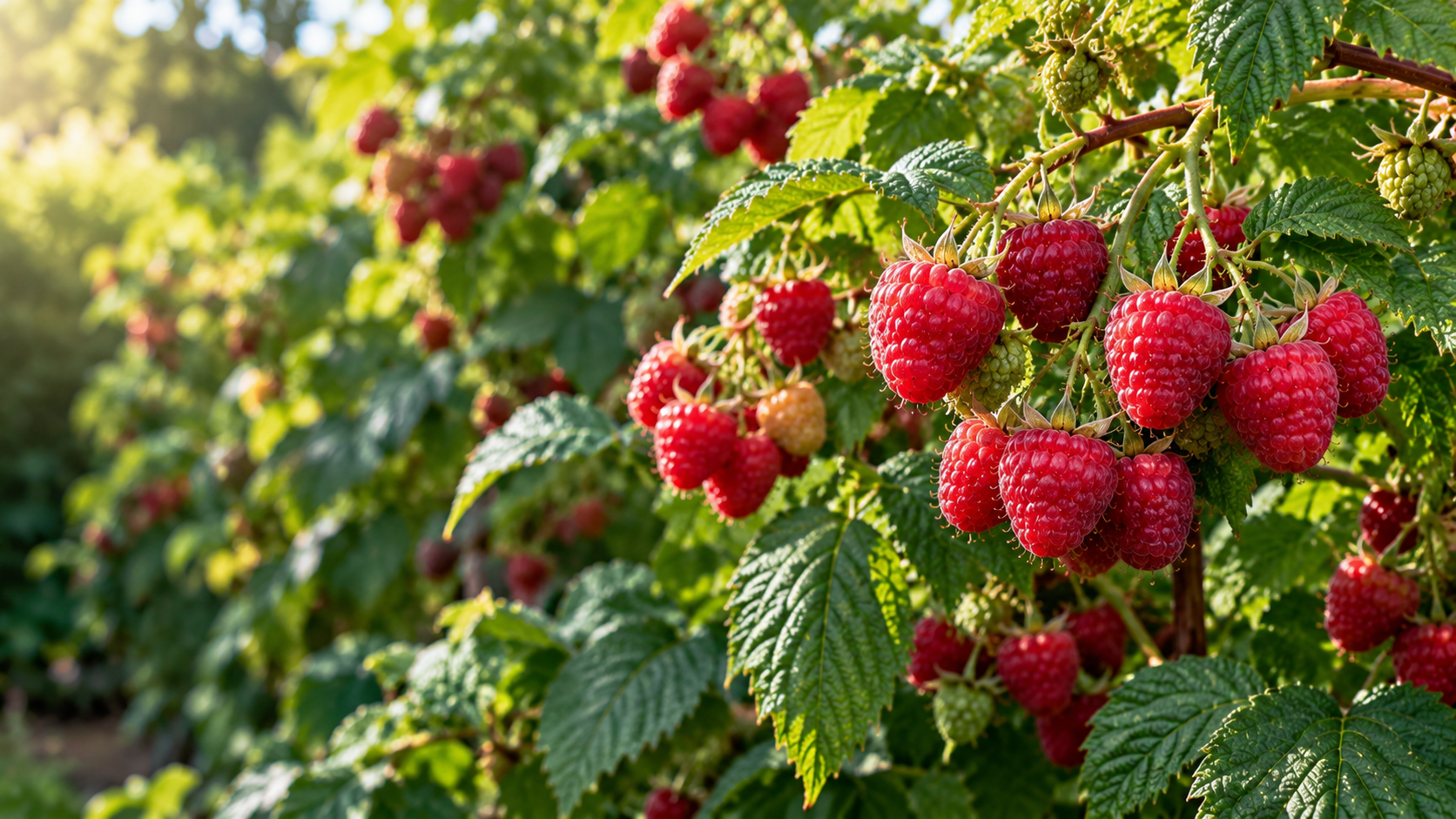
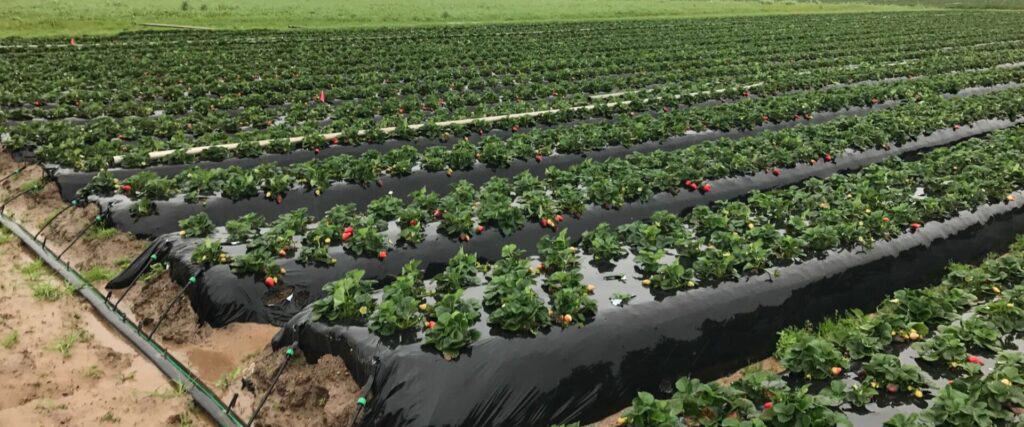
A strawberry or blackberry taken straight from the garden and warmed by the sun will put produce from a grocery store to shame. While there is no denying the value of freshness, the true source of flavor is found long before the harvest. It is in the plant itself, the soil at its roots, and the conditions under which it has been grown all season.
We often hear folks say “they don’t make food like they used to.” Organic varieties tend to be hardy, much more in line with what we remember food being.
Because of this, organic transplants offer a solid base for good flavor. They are cultivated with an eye to steady development, strong genetics and soil health. Put one of these vigorous young plants into a well-run organic garden, and it has what it takes to build up the natural compounds, sugars, acids, and aromas that make for a memorable taste.
That is not to say a piece of organic produce will invariably outshine a non-organic one.
But with an organic transplant, the gardener has the chance to see to those details from the start.
It All Comes Down to Healthy Soil
One cannot simply apply fertilizer and expect a plant to manufacture fine fruit. There is a living world around the roots where they come in contact with air, water, minerals, bacteria, and fungi. How well a plant can use resources is dictated by its environment.
In an organic system, you will find practices such as cover crops, rotation, and composting that put life back into the soil. Compost not only feeds the microorganisms but also enhances the soil’s structure and ability to hold water. Rather than the quick fix of a heavy dose of readily available fertilizer, biologically active soil will release its nutrients over time.
This more measured approach can lead to a plant with better balance. A plant forced into too much leafy growth might have less to give to its flowers and fruit. An organic system is designed to see the whole plant through its life cycle. Deep, widespread roots are another advantage; they can pull in water and nutrients with greater consistency when the weather turns.
Defenses and Flavor Go Hand in Hand
The very compounds that give fruit its character are often there for the plant’s own protection. Phenolics, flavonoids, and various pigments are part of the plant’s system for dealing with the stress of insects, disease, or the sun. These can add a certain complexity, bitterness, or sweetness to what ends up on the plate.
USDA organic rules put an end to synthetic fertilizers and most pesticides. In their place is an emphasis on diversity and natural methods of pest control. The idea is not to let the plant be a victim of drought or infestation, which would be bad for both the plant and the quality of the fruit. It is about maintaining vigor that allows the plant to express its natural color and aroma without being coddled by synthetics.
The Concentration of Good Things in Organic Produce
When you look at the research pitting organic against conventional crops, the numbers tell an interesting story. A review of 343 studies showed that organically raised crops had higher levels of several types of antioxidants on average. For some compounds, like phenolic acids, the increase was 19 percent, while flavanones were up as much as 69 percent. Cadmium was lower, and pesticide residues were hard to come by.
Some will say this means organic crops have as much as 60 percent more antioxidants. One should not read into that as though every piece of organic fruit is 60 percent more nutritious than its conventional counterpart; these are averages. And while antioxidants do affect acidity and color, they are only part of what makes up flavor.
Do Not Underestimate the Variety of Your Organic Fruits and Vegetables
At the end of the day, genetics dictate the limits of flavor. You could grow two different varieties of strawberries in the same organic ground, and they would still be worlds apart in taste. There is a difference in profile from one to the next; one might be intensely sweet, another more acidic or of a richer savory nature. You will find this with organic fruits like strawberries, blueberries, and raspberries. Some are put forward for how they look or for their ability to withstand shipping and have a long shelf life. Others are chosen for what they bring to the table in terms of aroma, texture, and a distinctive flavor. They also have different nutritional content, which could factor into your decision if you’re seeking certain health benefits.
By beginning with organic transplants, the gardener has the option to pick varieties for eating quality instead of making do with the limited, or unknown produce at the grocery store. Good genetics offer the plant the capacity for exceptional fruit, though it still requires proper tending.
Sunlight for Sugars and Aromas
To get the most out of a crop, most fruiting plants require an abundance of sun. It is the driver of photosynthesis and the creation of sugars that, in turn, feed the plant and give the fruit its sweetness. While a plant in poor light may put on some fruit, the harvest is apt to be lacking in flavor. Tomatoes, peppers, and strawberries, among them, are best with six to eight hours of direct sunlight a day.
Sufficient exposure also brings out the pigments and aromatic compounds in a healthy plant, allowing it to produce fully mature fruit true to its variety.
Avoid Diluted Flavor with Careful Irrigation
Water is a necessity for organic transplants to become established, but volume does not equate to better fruit. Too much water near harvest time can have the opposite effect, diluting soluble sugars and flavor in some crops while robbing the roots of oxygen and inviting disease or cracked fruit. In fact, studies on tomato production indicate that a controlled deficit in irrigation can boost acidity and soluble solids, provided the plant is not put under too much stress.
The idea is not to let the plants go thirsty, but to give them consistent moisture in well-drained soil. Mulch is useful for reducing evaporation and avoiding the swing from saturated to bone-dry. As the fruit ripens, balanced watering is key to supporting the plant without washing out the acids and sugars that make your organic food taste good.
The Case for Fully Ripened Fruit
An organic label is not the only thing that determines taste; when you pick the fruit matters. As it matures, the fruit puts on its sugars, acids, and volatile aromatics. Work on citrus has demonstrated that the juiciness and perceived ripeness can vary widely with the harvest date.
Commercial operations may pull fruit early so it can be packed and shipped without issue. The home grower has the luxury of leaving it on the vine until it is ready. There is no need to plan for a long journey, and since the fruit can be eaten the day it is picked, the resulting freshness gives garden produce a more intense flavor than what is found in stores.
Handling After Harvest
Once harvested, the flavor of organic food can be short-lived. Prolonged storage, heat, and bruising will change the texture and aroma. Ripe fruit should be treated with care and put away from the sun. Berries are best left dry until just before consumption to stave off spoilage, while a tomato will often keep its character better at room temperature than if put straight in the fridge.
In the end, one should try to minimize the time between picking and the plate.
A Strong Start with Organic Transplants
Organic transplants are the foundation of a sound growing system, but they are no guarantee of sweeter fruit in and of themselves. When a gardener pairs a healthy plant with living soil, the right variety, and adequate sun, the flavor is all the better for it. Organic farming methods foster the kind of natural development and soil biology that leads to complex flavors and concentrated sweetness, which is what makes the effort of growing your own food worthwhile.