Raising raspberries can seem overwhelming or even confusing for those just starting; between the primocanes and floricanes and the whole matter of summer versus fall-bearing varieties, it can seem something of a conundrum. However, you will find the plants are really no trouble at all once you understand how the canes grow.
A raspberry patch is simple enough to look after provided you go about it properly. Choose your varieties with care, give the soil and support structures some attention, and have some restraint with the pruners. In return, a well-tended plant can be productive for more than ten years. Come the second season, you can expect a decent crop from your efforts.
Choosing Your Varieties
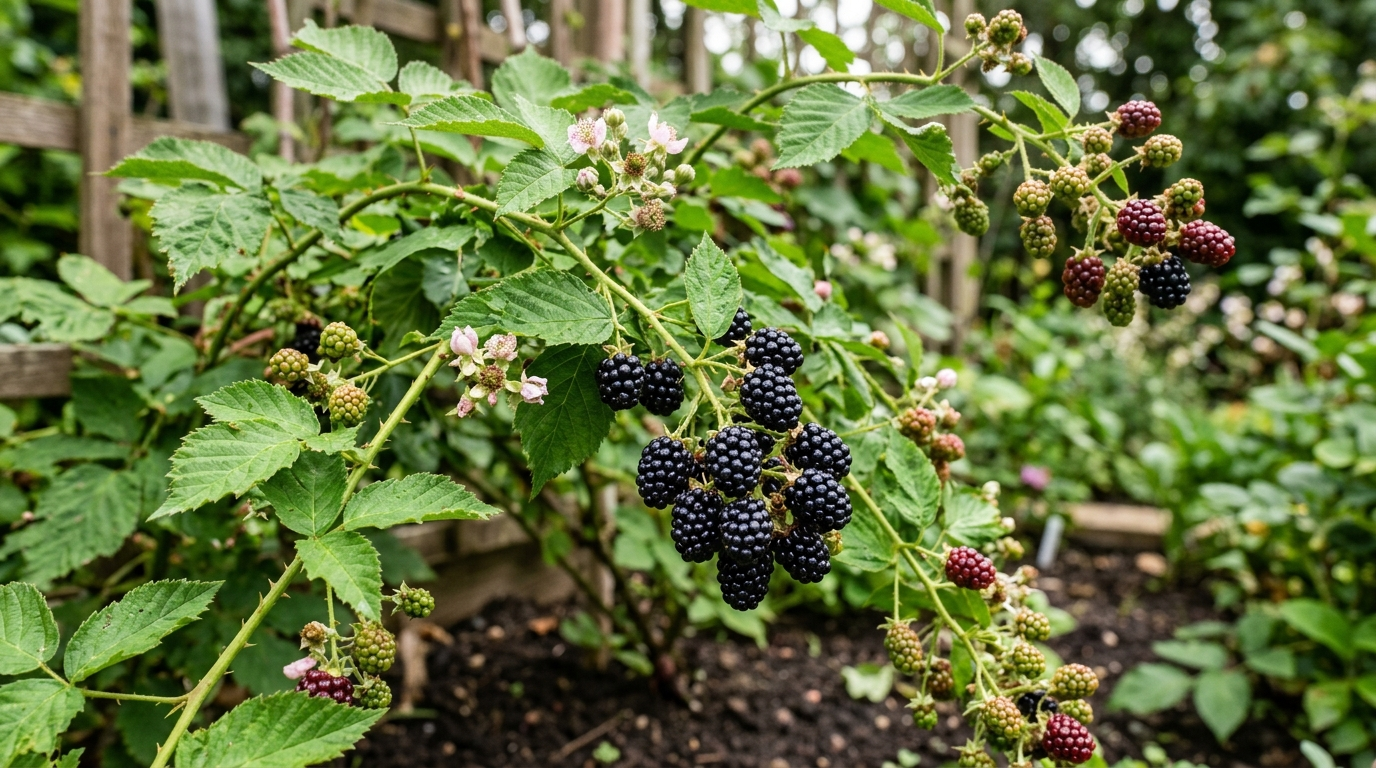
The Rubus genus includes red, yellow, black, and purple raspberries, each with its own spacing and pruning requirements.
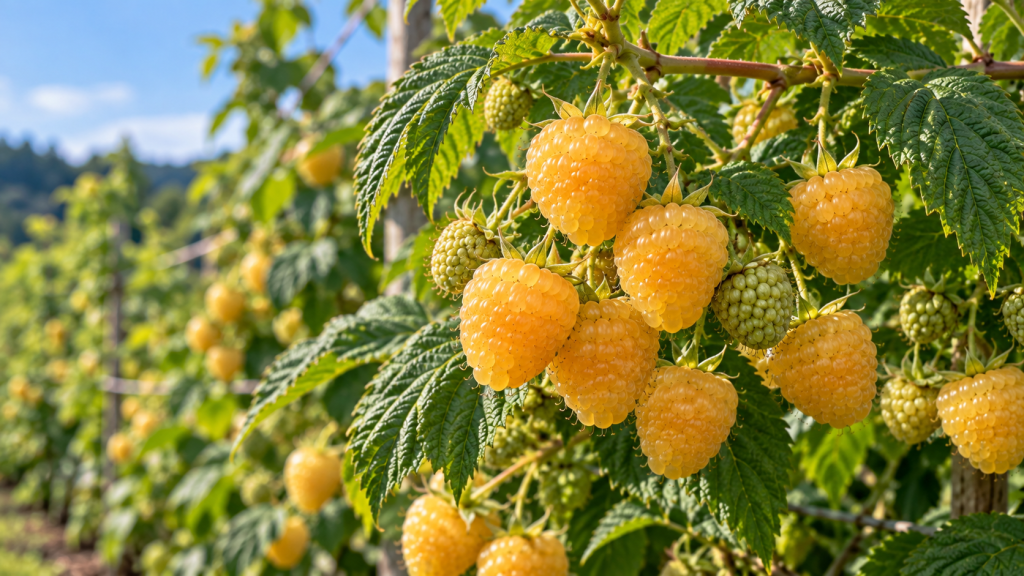
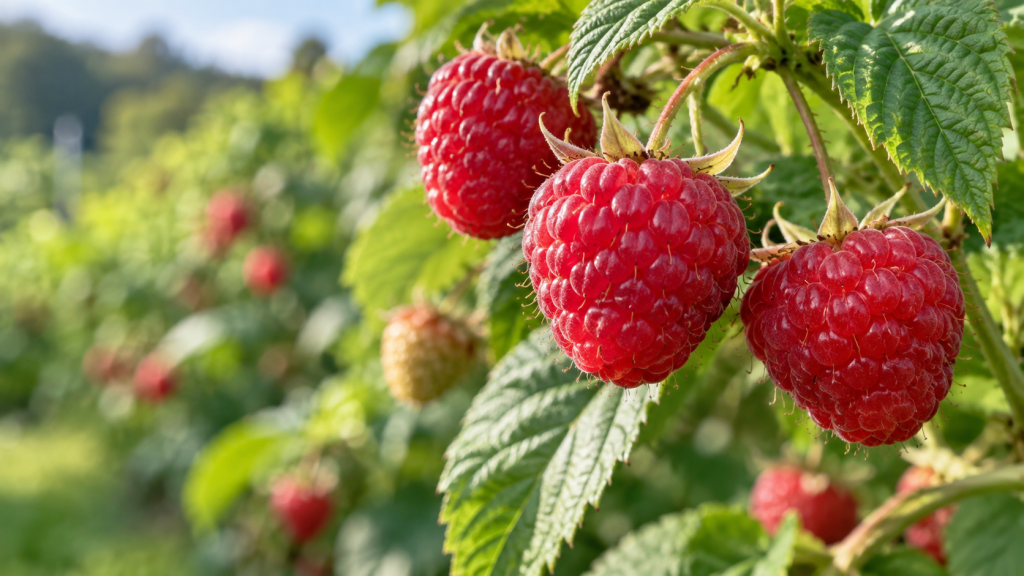
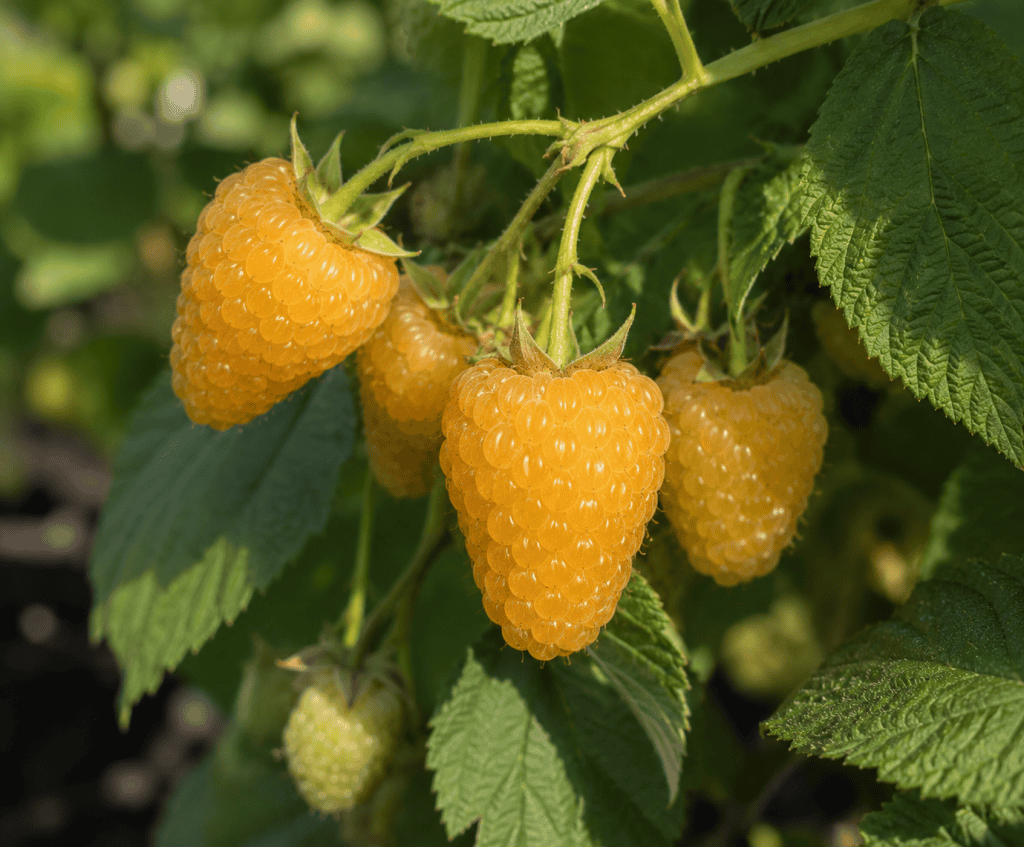
ION has a few of these varieties. For fall-bearing, Heritage is a dependable classic. Cascade Gold offers a sweeter, yellow-fruited option if you want something different from the usual red, and is a floricane. On the black raspberry side, Jewel Black Raspberry is a strong choice for its rich, distinct flavor, and Ruby Jewel and Honey Jewel round out the selection for growers who want a mix of colors and ripening times in the same patch.
Summer-bearing (floricane) types are fruited on canes in their second year of life. The new canes put in a season of growth, make it through the winter, and then bear in the following summer. After you have taken your harvest, those canes are done and need to be cut out.
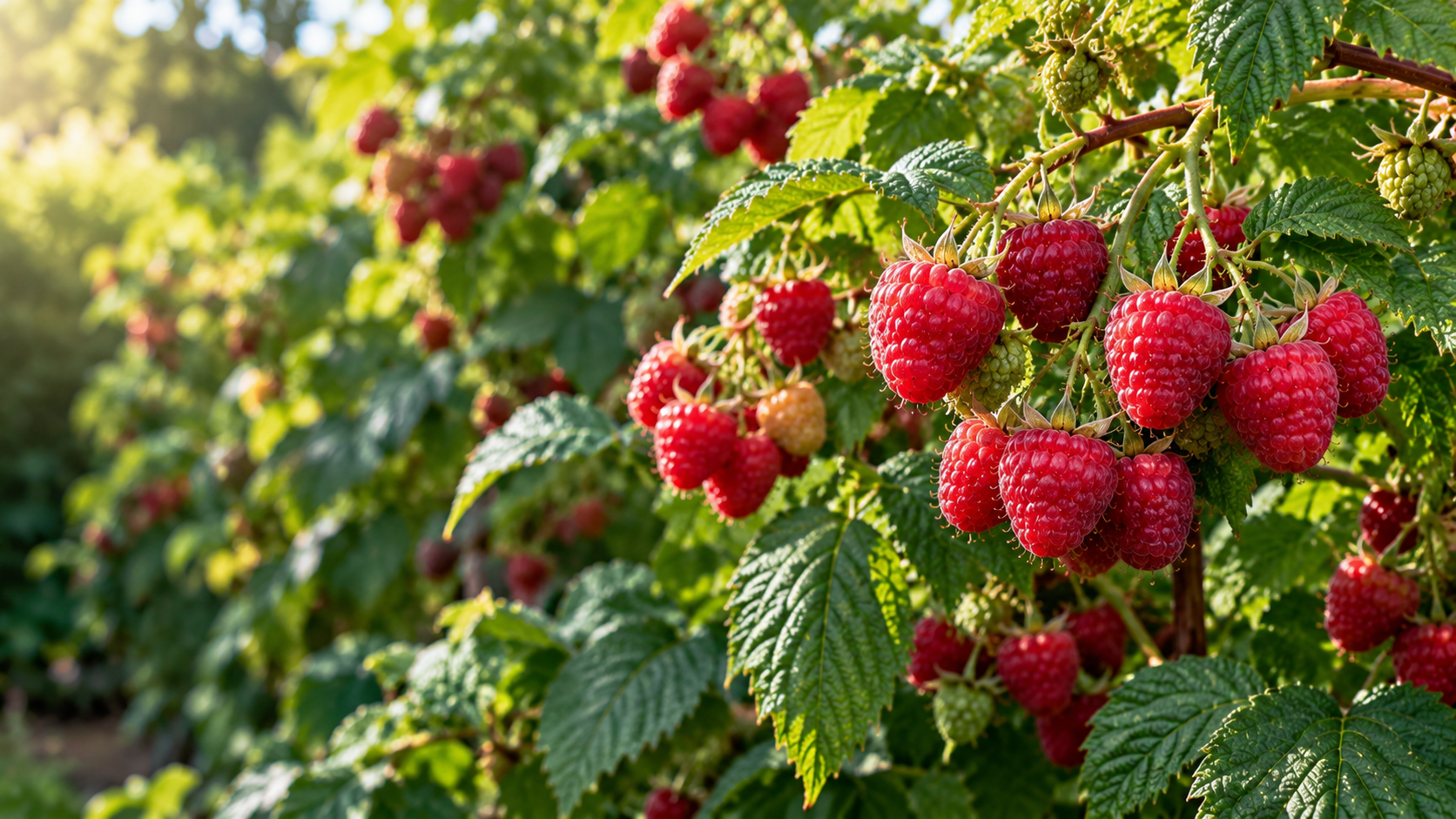
Then there are the fall-bearers (primocane). These put on fruit at the tips of first-year canes in late summer or early autumn. Some call them everbearing since selective pruning can yield two crops: the main one in the fall and a smaller offering from the lower part of the cane the next summer. Some gardeners prefer to keep things simple and grow only for the fall crop. They will cut the canes to the ground in late winter for an easier autumn harvest.
While most raspberries do fine in zones 3 to 8, hardiness is not uniform. You will find that red and yellow varieties spread via the root system to fill a row, whereas the black and purple kinds form a clump and require a bit more room.
Getting the Bed Ready
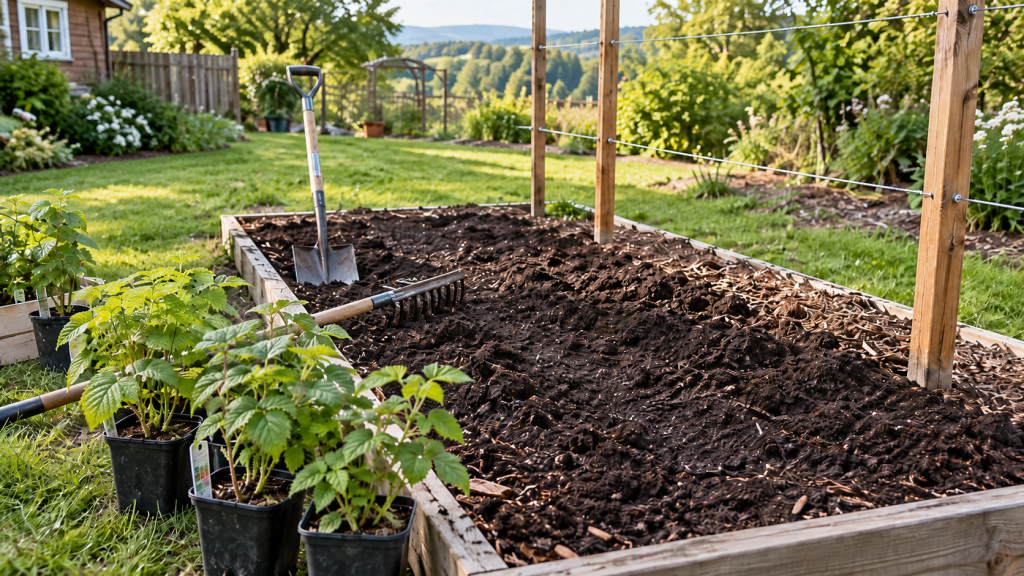
Look for a spot with six to eight hours of full sun; the extra light will provide better flavor and more fruit. Raspberries like well-drained soil that is on the acidic side, with a pH of 5.5 to 6.5. Sandy loam is acceptable if there is enough organic matter to hold moisture, but heavy, compacted ground must be amended. Raspberries will not withstand waterlogging, and wet conditions invite Phytophthora crown rot and other root problems. If your garden is slow to drain, consider raised beds. Raised beds are never a bad idea even in good draining soil.
Work some compost or well-rotted (composted) manure into the soil prior to planting. We suggest about 3.5 cubic feet of compost for every 100 square feet, mixed into the topsoil rather than piled around the roots. And steer clear of any area where nightshades such as tomatoes, potatoes, or peppers have been in recent years, as they can leave behind diseases that will trouble your raspberries.
Time to Plant Raspberries
Bare-root canes are best put in while they are dormant, say from late winter into early spring. If they arrive before the ground is workable, keep the roots cool and damp, but do not let them sit in water. Potted specimens can go in once the worst of the frost has passed in early spring.
Make sure to set the plant at roughly the depth it was before, with the crown near the surface and the roots fanned out in the hole. For red and yellow types, allow 2 to 3 feet between plants in the row. Because the canes of black and purple raspberries need room to spread, they are best planted closer to 4 feet apart. Give the new plants a good soaking once they are in the ground. Do not be concerned if first-year canes do not put on a large crop; they will tend to devote their energy to root development and fresh growth instead.
Supporting Canes With a Trellis
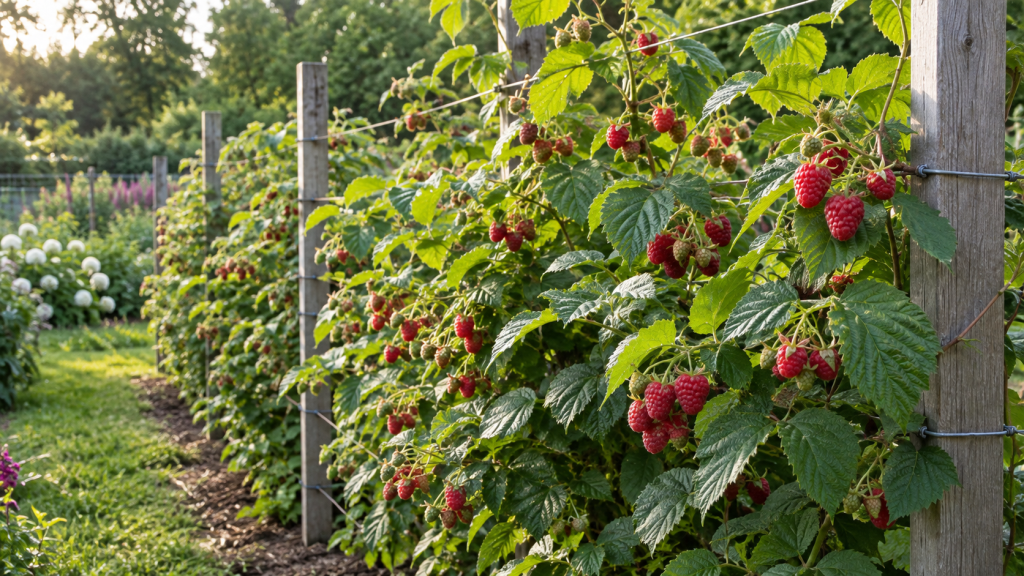
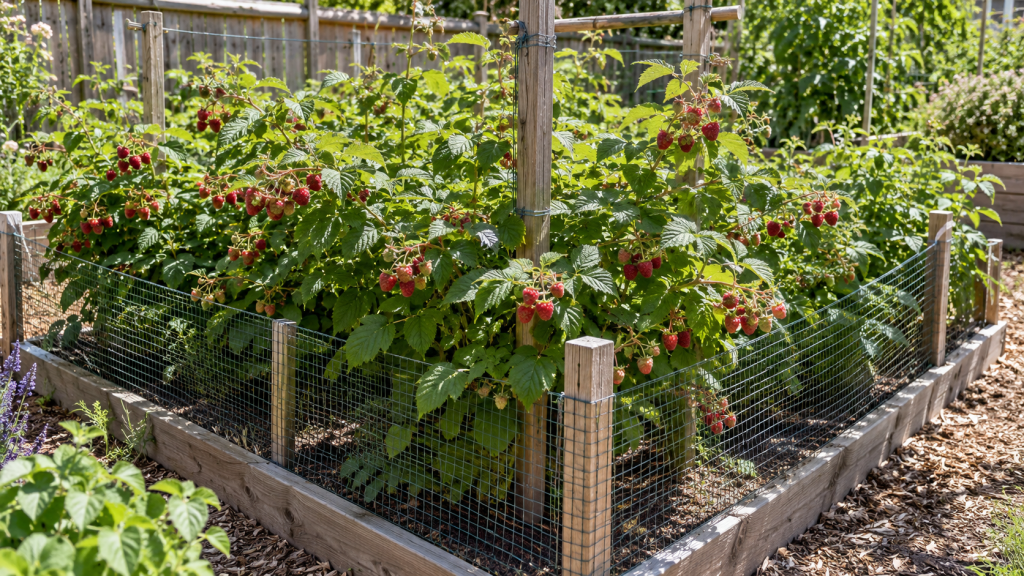
A trellis is useful for keeping long canes from bending or succumbing to wind damage. It also puts them in a better position for sunlight and airflow, easing the harvest, and putting less pressure on the plant in terms of disease. A basic T-trellis is well suited to the home garden. Run two wires about 12 inches apart over the top supports and let the canes grow up between or next to them. Having the fruiting canes off the ground simplifies weed control and makes it easier to spot ripe berries or clear away old wood (spent canes) after you have picked your harvest.
Watering, Mulching, and Fertilizing Raspberries
Consistent moisture in the soil is important for raspberry plants, particularly while they are flowering and setting fruit. During the growing and fruiting season, aim for 1 to 1.5 inches of water a week. Direct it at the root zone and leave the leaves and fruit dry; wet foliage is an invitation for gray mold, the most prevalent form of rot in raspberries.
A 2- to 3-inch layer of mulch from straw, wood shavings, or grass clippings will help hold in moisture and shield the shallow roots. Just keep it a few inches back from the crowns so as not to create too much dampness against the canes. When it comes to fertilizer, a balanced 5-5-5 at the rate of 1 to 1.5 pounds per 100 square feet is sufficient. There is no point in overdoing it, as too much nitrogen will spur heavy growth without any gain in yield. There are lots of different fertilizer options. Consider your options carefully here or consult a local garden center for recommendations for what they have available.
Annual Pruning for More Raspberries
Pruning is a must each year given the short productive life of an individual cane. On summer-bearing varieties (floricane), any cane that has borne fruit should be cut back to the ground right after harvest; you can tell by the brown bark that these old canes are done. Leave six or eight healthy canes to the foot in the row.
If you are only after a fall harvest from your fall-bearing (primocane) stock, mow all the canes down in late winter and let the spring bring new ones for a late summer crop. To get two crops from these plants, simply take off the upper part of each cane that gave you the fall berries and prune the canes to 12 inches above the support; the lower portion may give you an earlier summer crop the next year.
Protecting the Raspberry Patch
Make it a habit to check the patch for trouble such as Japanese beetles, spotted wing drosophila, or raspberry cane borer. The former will chew on the fruit and leaves; the latter can lead to wilting and dead canes, and cane blight will weaken the plant. Proper spacing and trellising, along with the removal of dead canes and any overripe or damaged berries that might harbor pests, will head off many issues.
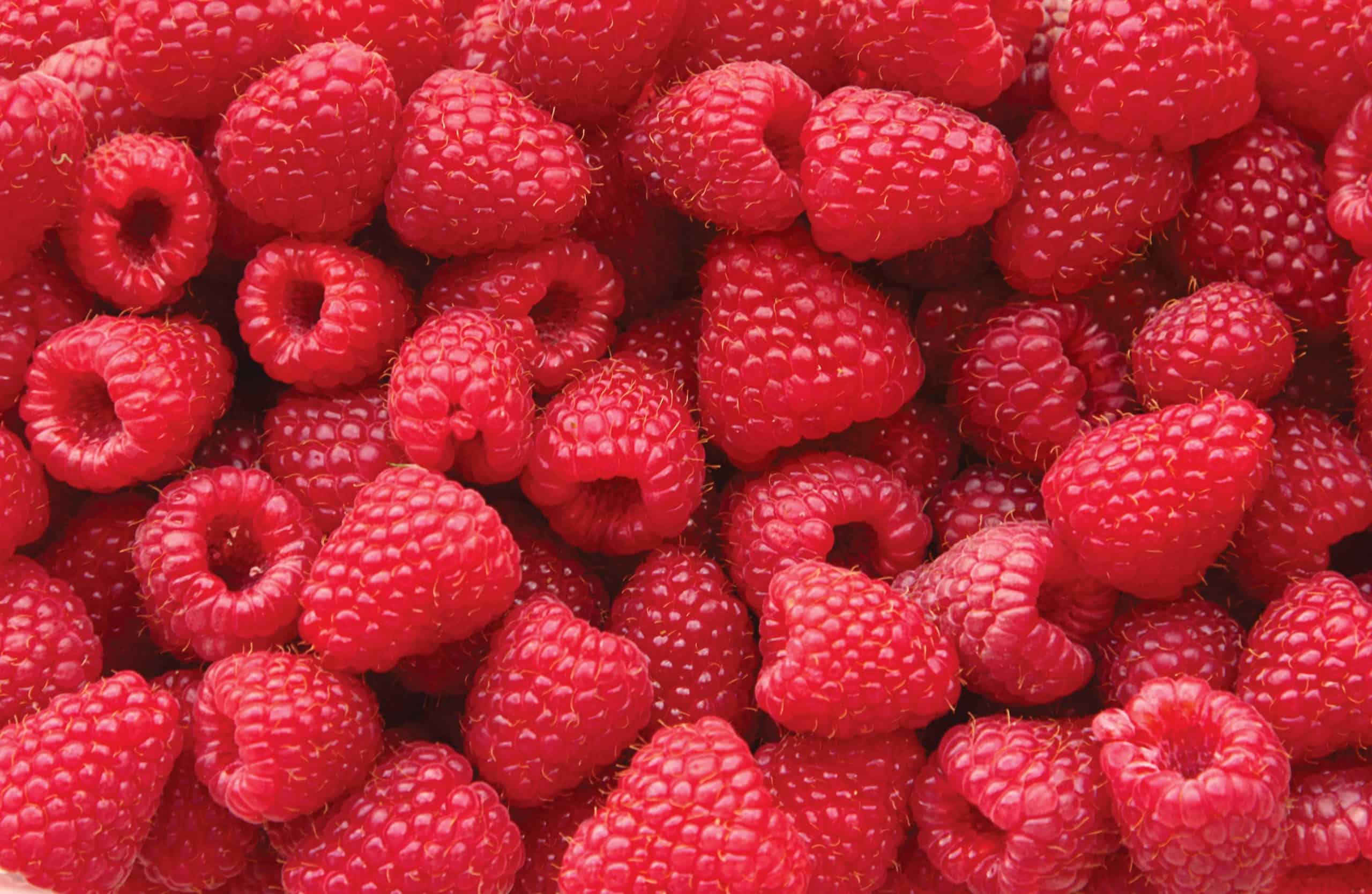
Pick your homegrown raspberries when they are fully coloured and come away from the plant with little resistance. Treat them with care, put them in the refrigerator, and wash them just before you eat them (if you choose washing – not always important when you harvest from your own garden). Provided you have healthy soil, a simple trellis, and keep up with the watering and pruning, the first of your raspberry canes will make for a very productive addition to the vegetable garden for years to come.