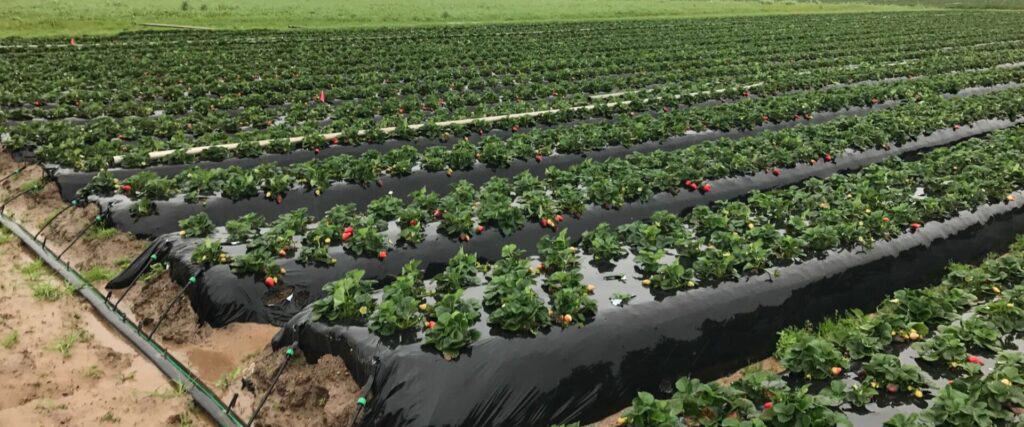
The conversation about strawberries and chemicals has been everywhere lately. Many consumers are left with a mix of genuine concern, partial context, and unanswered questions.
At ION, we’ve spent eleven seasons growing certified organic berry plants and working with growers of every kind, from backyard gardeners to commercial operations. That’s given us a perspective most of this conversation is missing.
What Is Driving the Concern Around Strawberries?
Much of what’s being shared online centers on pesticide residues in conventionally grown strawberries, and in particular a group of synthetic compounds known as PFAS, or “forever chemicals.”
PFAS break down very slowly in soil, water, and the human body. That’s part of why they earned the nickname “forever chemicals” in the first place.
That’s the detail driving most of the concern, and it’s a fair one to have.
It’s also a concern that starts earlier in the supply chain than most people realize, and that’s where this conversation usually stops short. Pesticide and PFAS exposure isn’t only about what happens on the farm where your berries are harvested. It can begin at the nursery, in the soil where the plant itself was propagated, long before it was ever transplanted.
We’ll come back to that. First, here’s the part you can act on right now.
As a consumer, you get to decide where your food comes from, and which farms and systems your spending supports. The more informed that decision is, the more powerful it becomes.
That’s the standard ION has been held to for eleven seasons. We’re USDA NOP certified through California Certified Organic Farmers (CCOF), and we’re verified annually. (See ION featured on CCOF’s list of organic farms.)
What Does USDA Certified Organic Actually Mean?
USDA Certified Organic is a federally regulated designation governed by the National Organic Program, established under the Organic Foods Production Act of 1990.
To earn and maintain it, we’re certified annually by California Certified Organic Farmers (CCOF), one of the most respected certifying bodies in the country. We maintain a documented Organic System Plan covering every input and practice across our operation, and we submit to inspections that verify compliance with federal standards every year.
What that certification doesn’t tell you is where the plant itself came from. For anyone trying to make genuinely informed choices about their food, that matters more than most people realize.
Here’s why. A bare root plant grown in conventionally managed nursery soil, exposed to synthetic fumigants and pesticides throughout propagation, doesn’t become an organic plant simply because it’s transplanted into certified organic ground. And just as easily, an organically propagated plant can end up in conventional soil and lose the certified organic integrity it was grown with.
Organic integrity isn’t something that happens at one point in the supply chain. It either runs all the way through, or it has a gap — and a gap anywhere affects everything that follows.
The Difference Between Organic Fruit and Organic Planting Stock
Organic fruit and organic planting stock are not the same thing, and the table below shows why that distinction matters.
| | Organic Fruit | Organic Planting Stock |
| What it means | The berries themselves were grown and harvested under certified organic practices | The bare root plant was propagated in a plant nursery under certified organic practices from day one |
| Can it legally happen separately? | Yes, under the NOP’s commercial availability clause | This is the missing piece most certifications don’t track |
| What it doesn’t guarantee | Where the original plant or planting stock came from | N/A, this is the origin point itself |
| Why it matters | A fruit farm can be fully certified while still planting with a conventionally grown nursery plant | Without this, organic integrity has a gap before the first harvest even happens |
This has been the standard for decades. This is allowed under a provision in the NOP regulations known as the commercial availability clause, which permits certified organic farmers to use conventionally propagated planting stock when certified organic alternatives aren’t commercially available to them.
For most of the organic berry industry’s history, they simply weren’t. Conventional nurseries fumigated their fields with synthetic chemicals for decades, and those nurseries served as the only source of transplants for organic and conventional growers alike. Organic farms planted with conventional nursery stock (plants) not because they wanted to, but because there was no other option.
Many of those nurseries and fruit producers are companies we work alongside today, and that relationship matters to us. The industry runs on exactly this kind of cooperation across the conventional and organic businesses, and that’s worth acknowledging. It’s what keeps fresh food moving consistently to consumers.
What We're Doing at ION
This is exactly why we built our nursery operation the way we did, and why we think it’s worth telling you what that actually looks like.
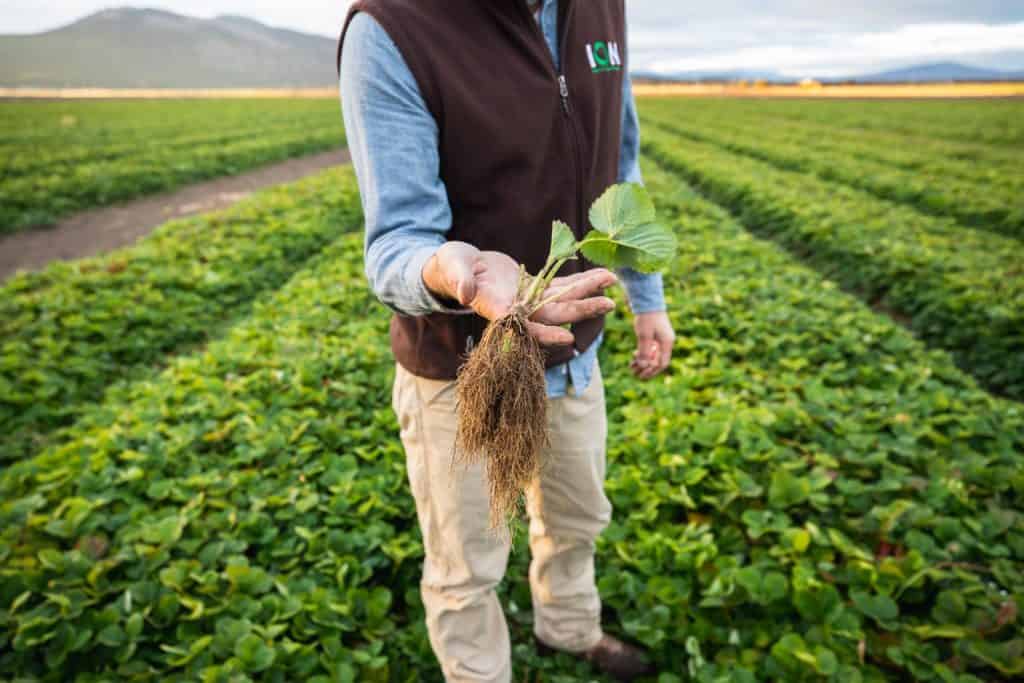
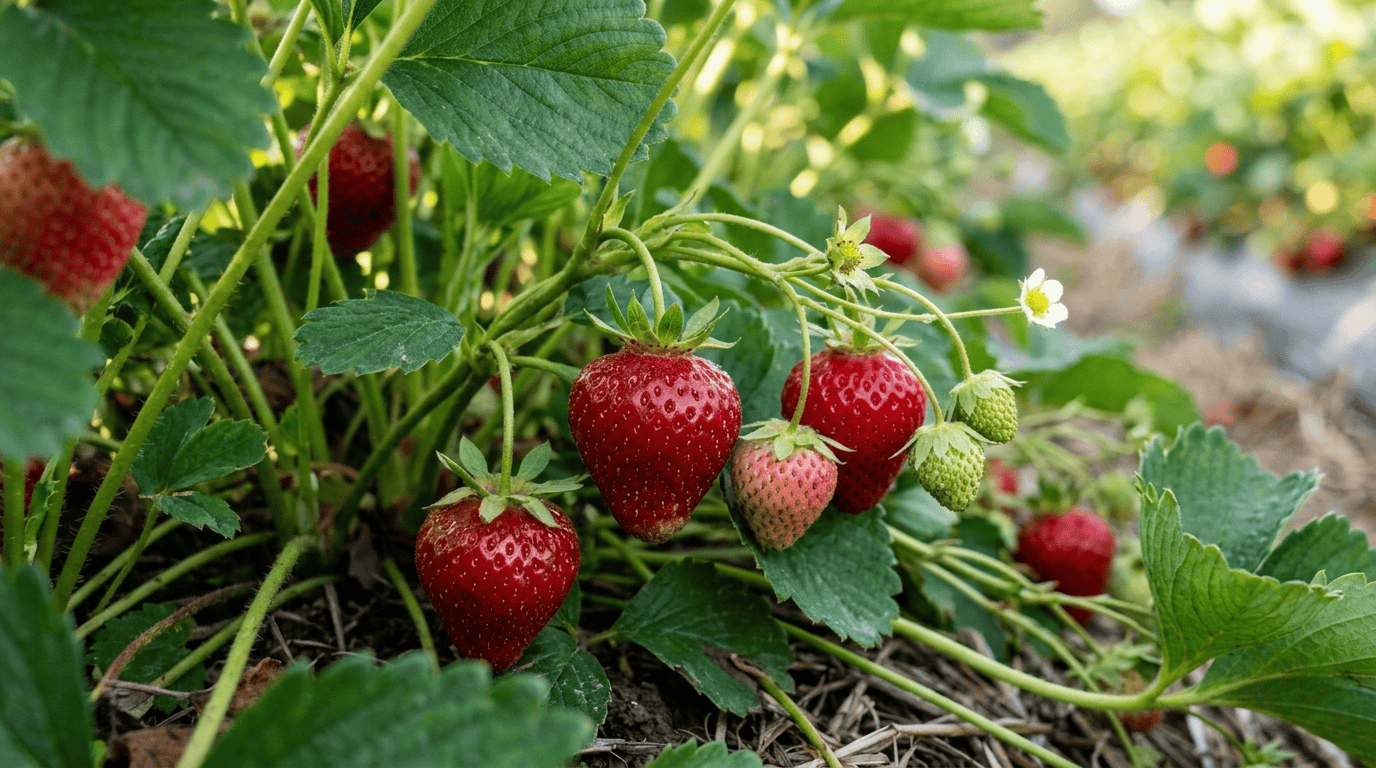
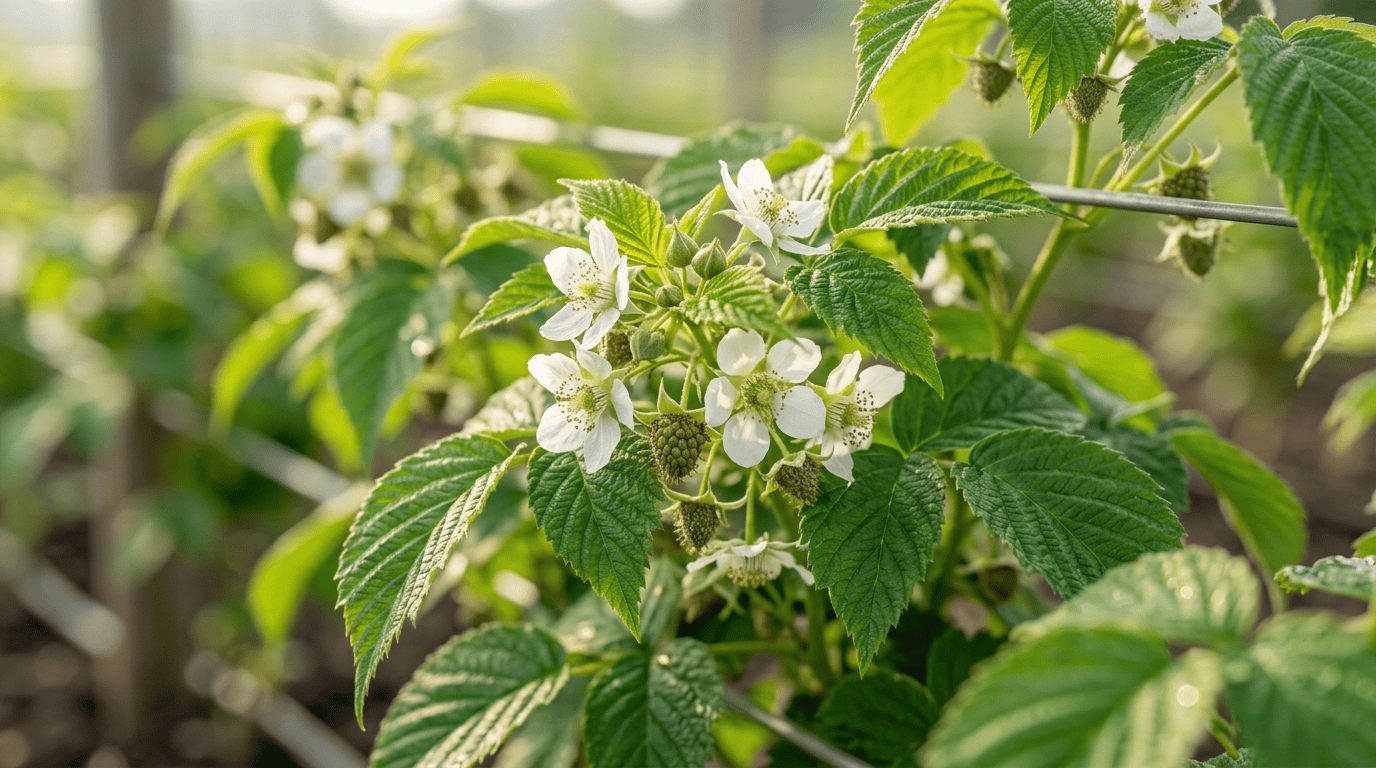
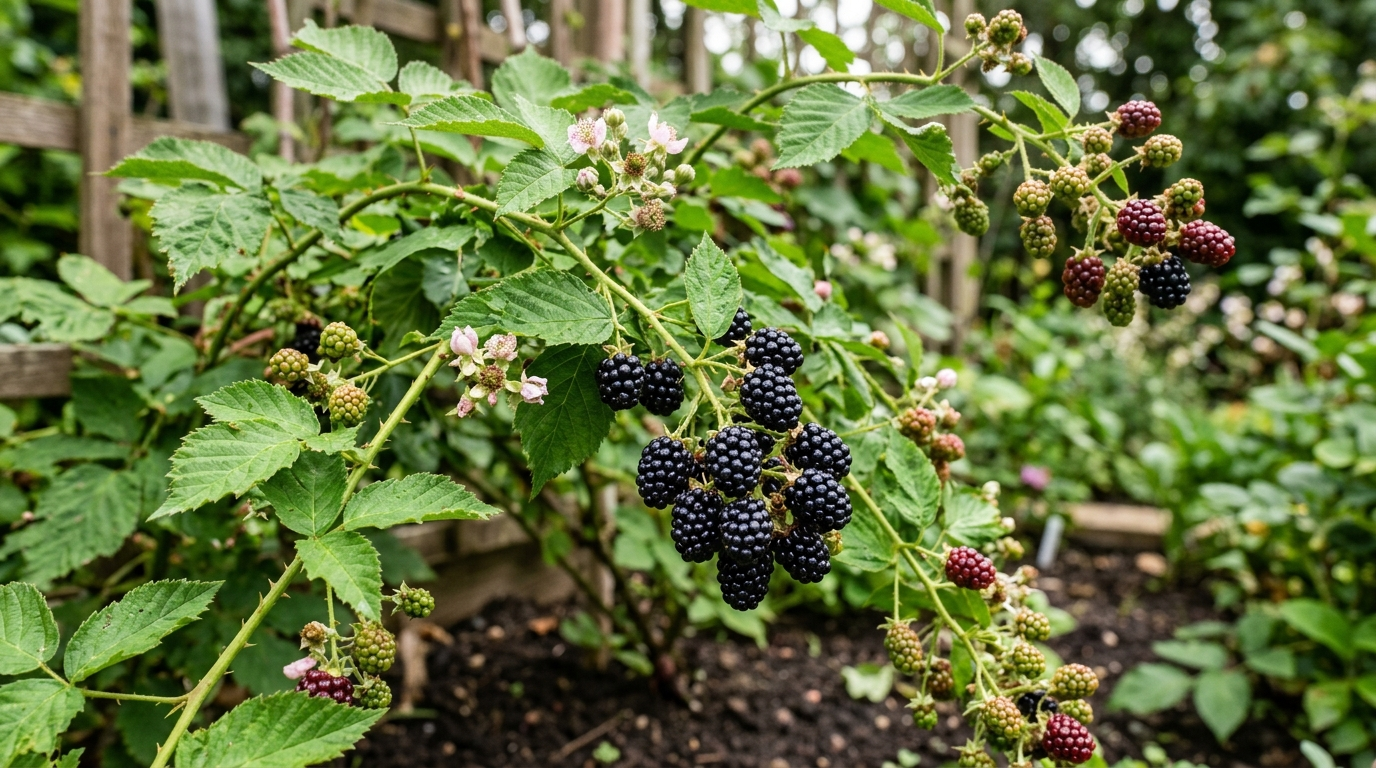
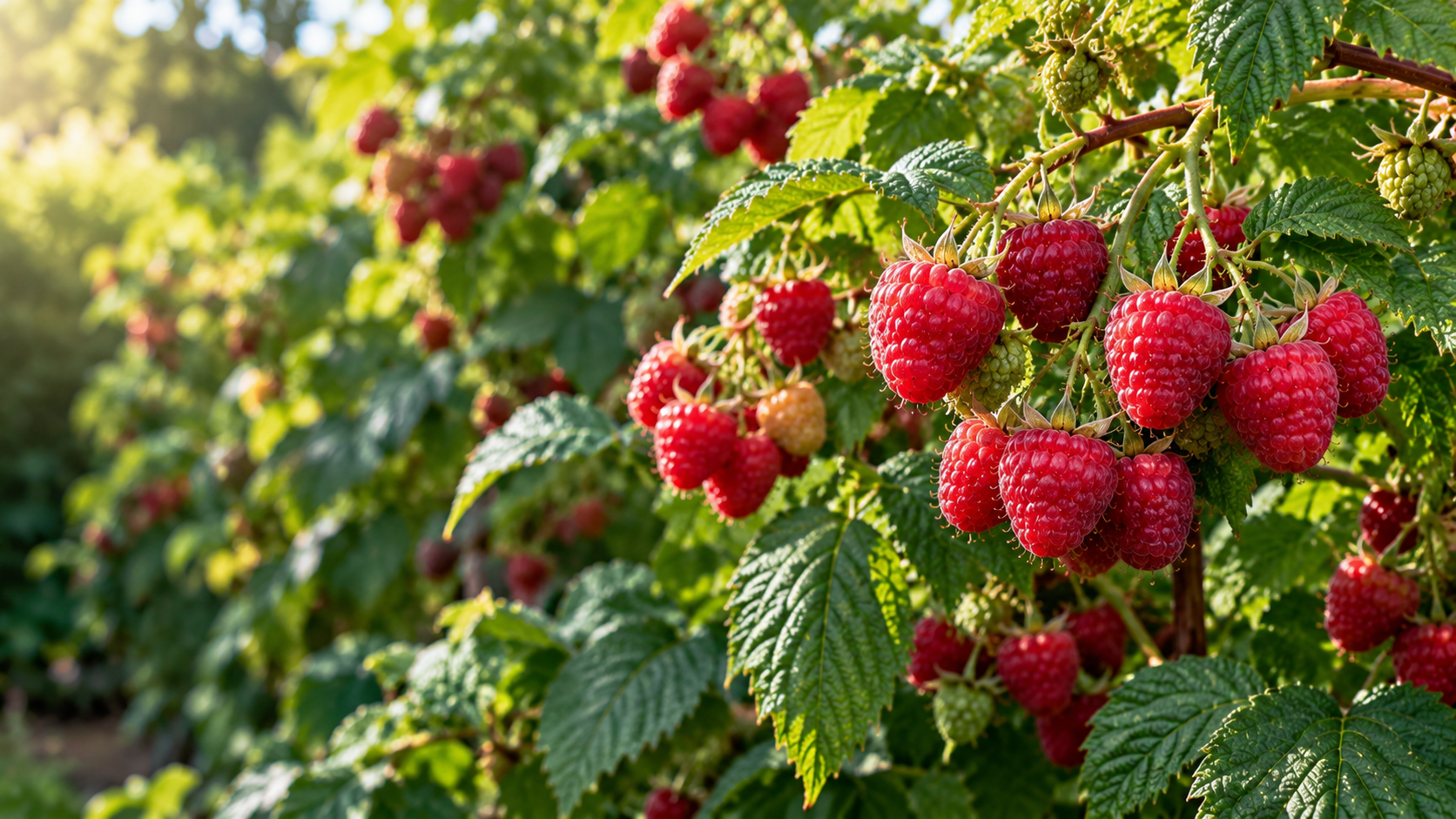
We grow certified organic bare root plants of strawberry, raspberry, and thornless blackberry, certified through CCOF, since 2016. We’ve built a range of products we believe is the best in the certified organic space, with a strawberry selection spanning over eight varieties, and we work every season to stay ahead of what the industry is developing.
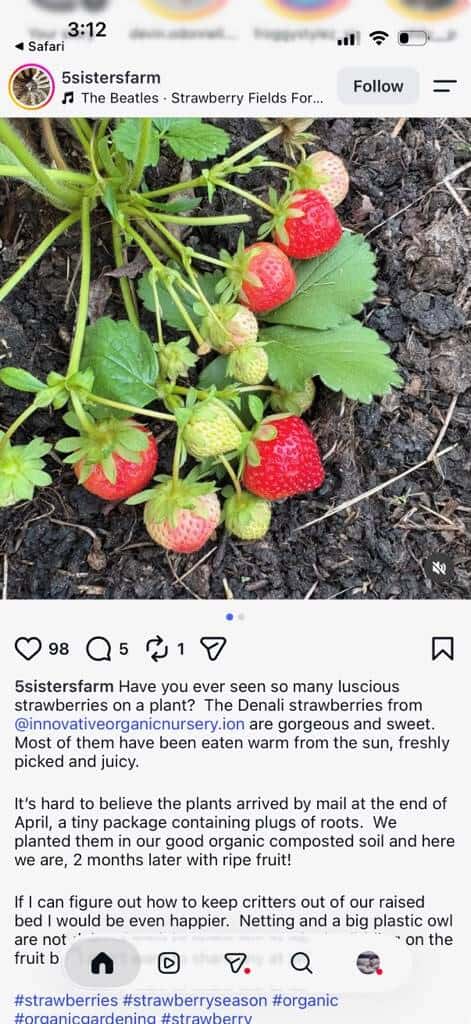
We’re particularly excited about Denali and Eclipse right now, two high-yield, disease-resistant varieties we’re bringing to market. (Read more about our proprietary varieties.)
We’ve also expanded our reach through a partnership with Gardyn Inc., whose indoor tower system makes year-round, certified-organic growing possible for people who never thought it was within their reach.
This season we opened our first low elevation commercial nursery, removing the last technical barrier to certified organic supply at full commercial scale. Orders for fall 2026, winter 2026-27, and spring 2027 are open now, and we’d love to grow with you.
What Growers and Home Gardeners Should Ask
Before you buy plants or produce, a few simple questions can tell you a lot about how and where they were really grown:
- Are you officially USDA certified organic, or do you just follow organic practices?
- Did you grow these plants under organic from the very start, or did you buy them as starts from another supplier?
- What do you use to treat your soil and manage pests?
- Do you have a copy of your organic certificate?
What Consumers Can Do
A few practical steps to verify where your food is really coming from:
- Look for the USDA Organic seal. This guarantees the farm growing your berries is certified and inspected annually.
- Ask where the plants came from. A farm’s certification covers what happens on their land, not necessarily where their bareroot plants were grown.
- Buy from farms that can answer your questions. Transparency is accountability. A grower who knows their supply chain and is willing to talk about it is a grower who takes their certification seriously.
- Shop at farmers markets where possible. Smaller organic growers are often open to questions about their produce and where it came from.
- Grow your own. This is one of the most satisfying things you can do. Starting with certified organic bare roots means you know exactly what went into your food from the very beginning.
- Support the system you want to exist. Every time you choose certified organic, you’re supporting a system built around clean soil, honest growing, and food you can feel good about.