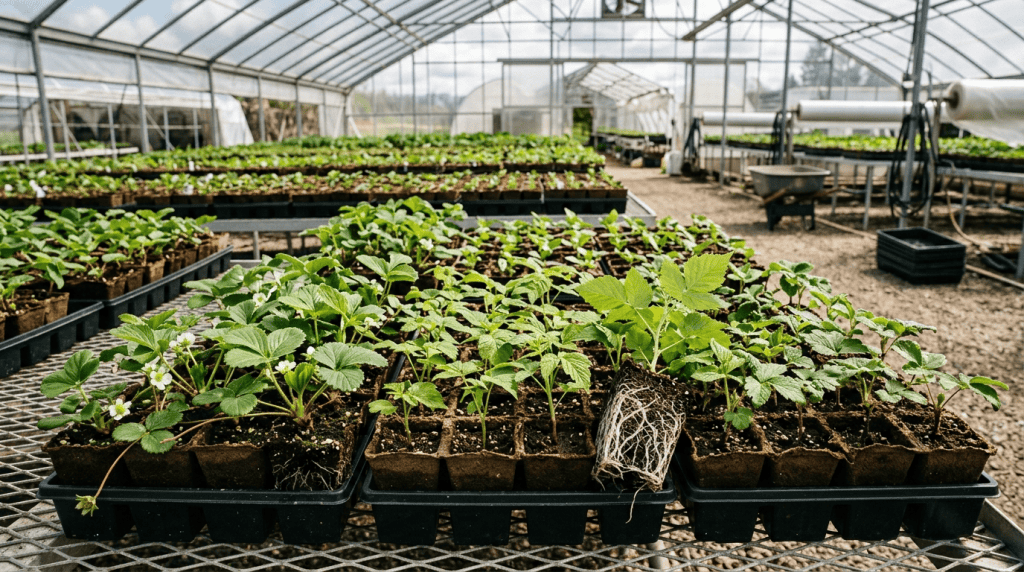
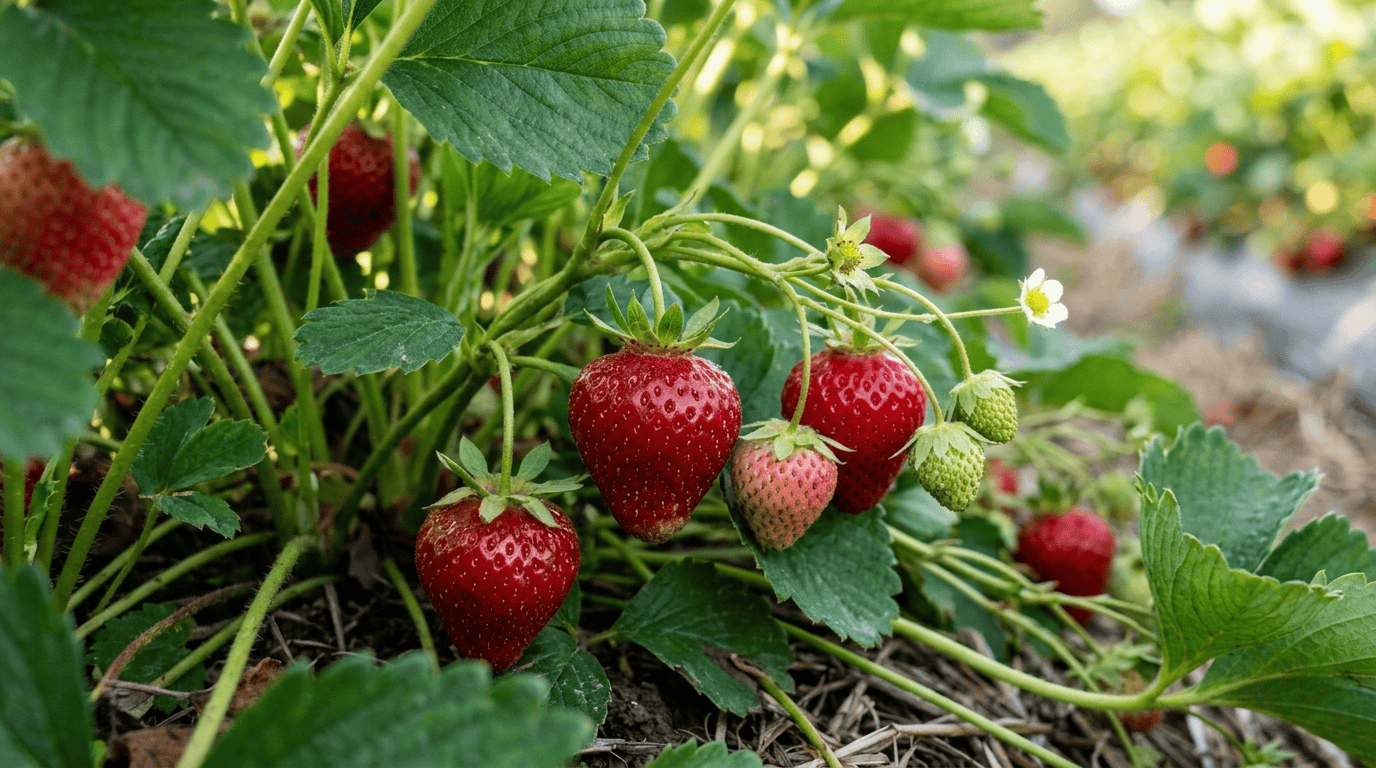
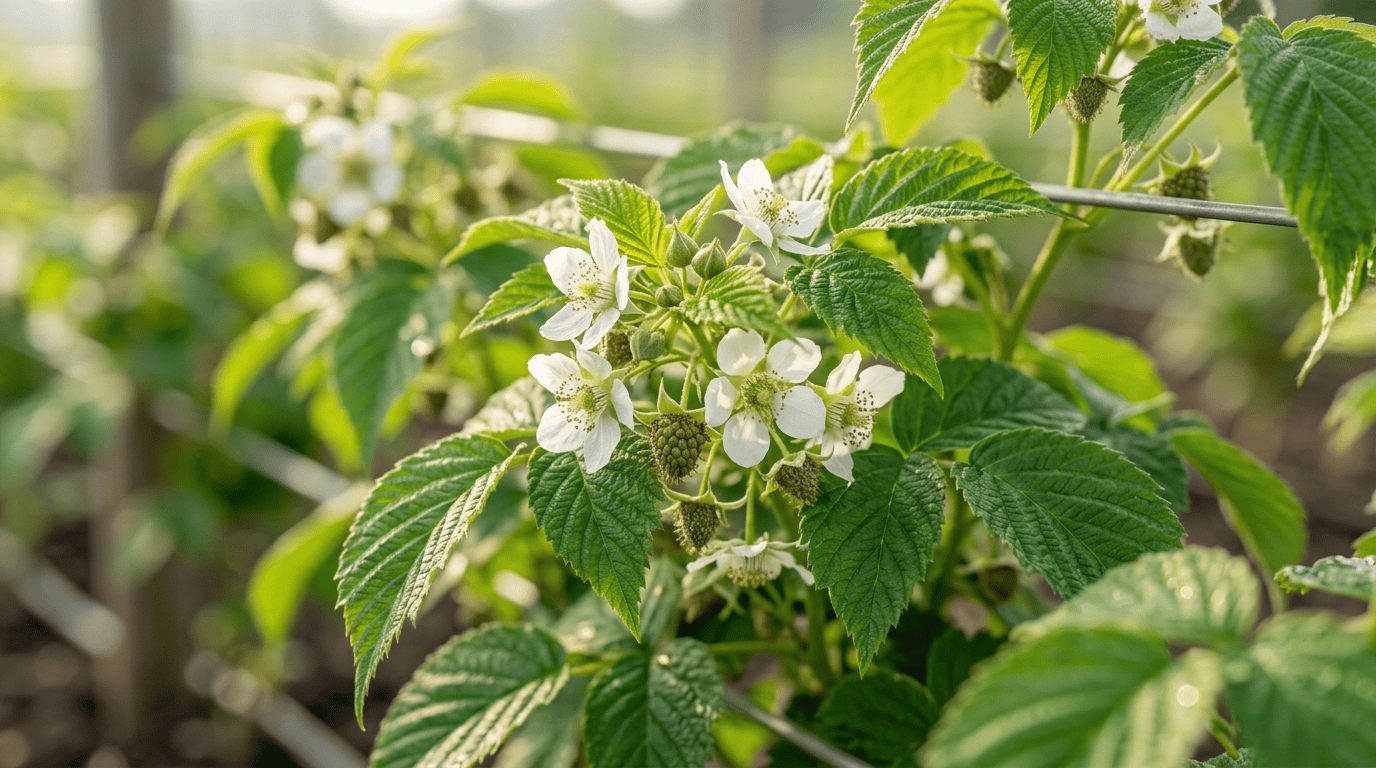
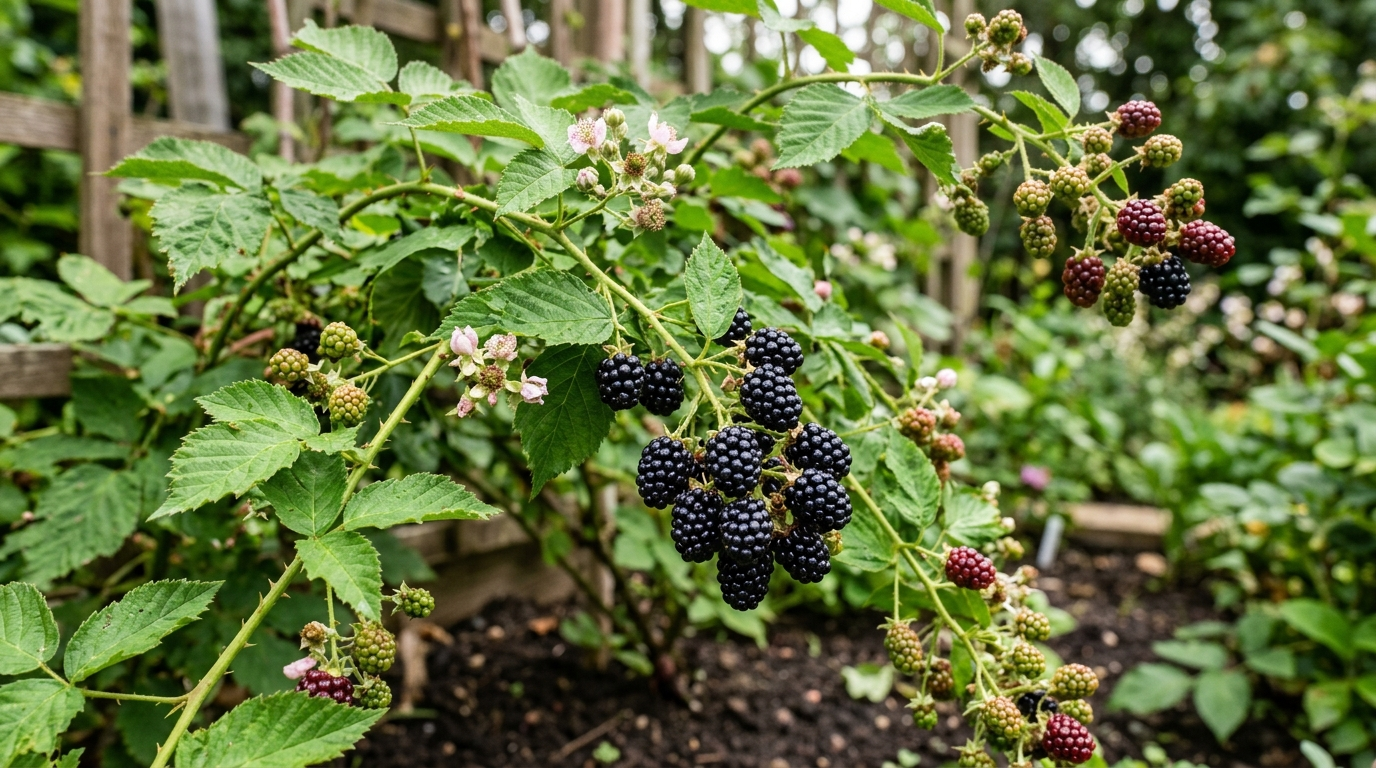
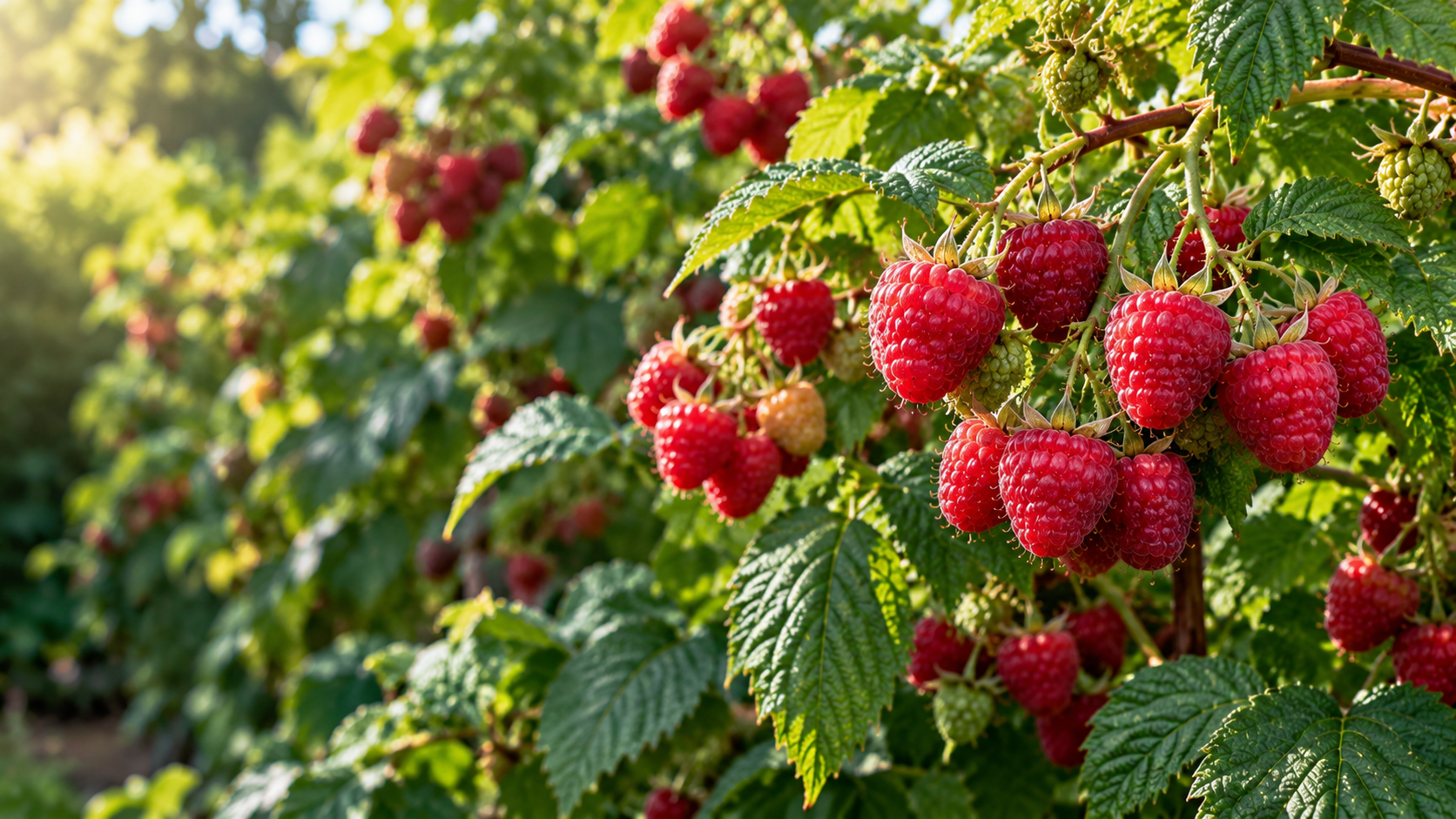
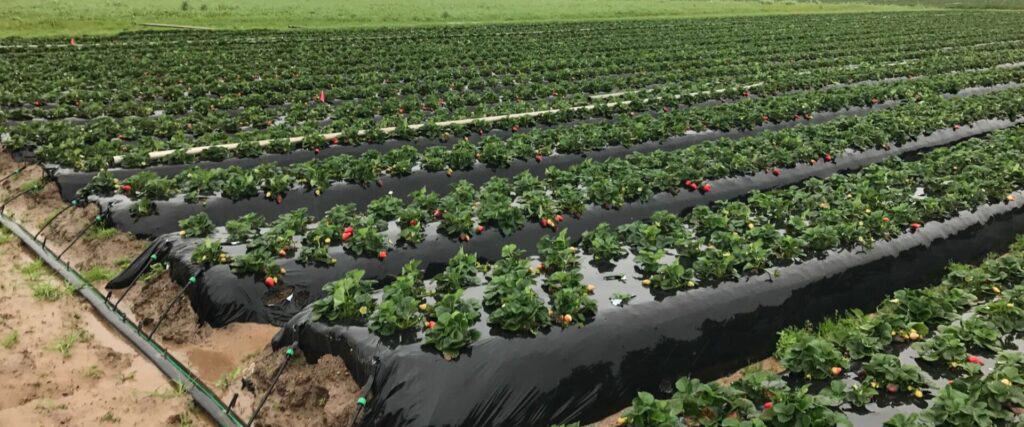
For an organic producer, transplant stock is more than a simple input for production. It is an essential part of the audit trail when it comes to the USDA organic label. Choose your plants with care; a misstep in judgment, or depending on a supplier that does not keep proper records can turn an inspection into a drawn-out process. Even confusion over the rules for annuals and perennials is enough to delay certification and prevent getting your organic fruits, including strawberries, raspberries, and blackberries, to market on time.
The surest way to be in compliance is to source transplants from a certified and reputable operation. The stock serves as evidence that the plants were put up to standard, and there is no question of synthetic fertilizers, genetic engineering, seed treatments or any other material the rules forbid.
All this is under the purview of the USDA National Organic Program (NOP), which has the job of enforcing the national standards every farm and handler must satisfy to put the certified organic tag on their products.
Seed and Planting Stock Requirements
Under USDA organic regulations, a producer is expected to work with organically grown planting stock and seeds. One can make use of nonorganic untreated seed if the commercial market has no organic equivalent, but the grower has to demonstrate a good faith effort to have used the organic product and show beyond a doubt that cost was not the deciding factor in going conventional.
Annual transplants are held to a higher bar. A shortage of organic seedlings will not be accepted as justification for using nonorganic ones on an organic crop. The USDA may allow it via a temporary variance after a natural disaster, but that is something to consider with produce like organic strawberries.
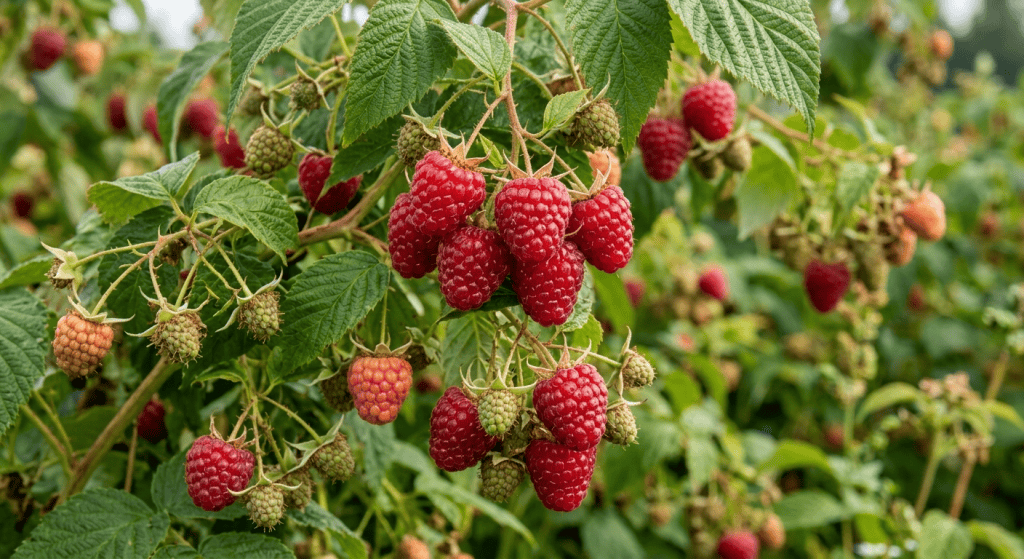
Perennials are governed by another rule altogether. If an organic option is not on hand, nonorganic untreated stock is permissible. Still, do not expect to label what these crops yield as organic; the plants need to be under an organic system for a year at minimum before the produce is eligible. When in any doubt about how to classify a plant, including raspberries or blackberries, put in a call to the USDA-accredited certifying agent before you order.
Organic Production on the Farm
Any transplants brought onto a certified farm must be in keeping with the approved methods of organic farming operations. From the water and pest control to the potting mix and greenhouse activities, it all has to be accounted for in the Organic System Plan.
Selling a product as biological or sustainable does not make it right for organic production. The National List of Allowed and Prohibited Substances is the guide: synthetics are not allowed unless they are on the list, and naturals are fine unless they are not. If there is any uncertainty, it is best to have the certifying agent give the go-ahead on the materials first.
As for the transplant side of the plan, the operation is required to put on paper the provenance of its stock and how organic status has been confirmed. Where one might use conventional seed or perennials in place of an eligible variety, a paper trail is necessary to explain the absence of an organic alternative. In the case of transplants raised on site, the OSP should lay out the inputs and system in such a way that an inspector can easily trace a young plant from where it started to the final harvest product.
Maintaining an Audit Trail
Any certified operation must have its records in good order and be able to stand up to scrutiny. This means keeping documentation at hand for five years.
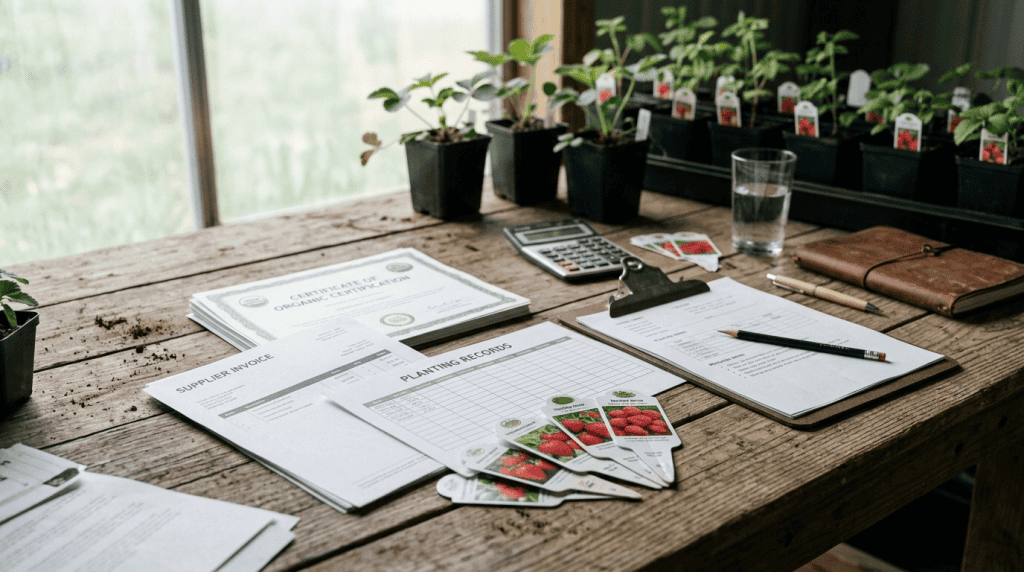
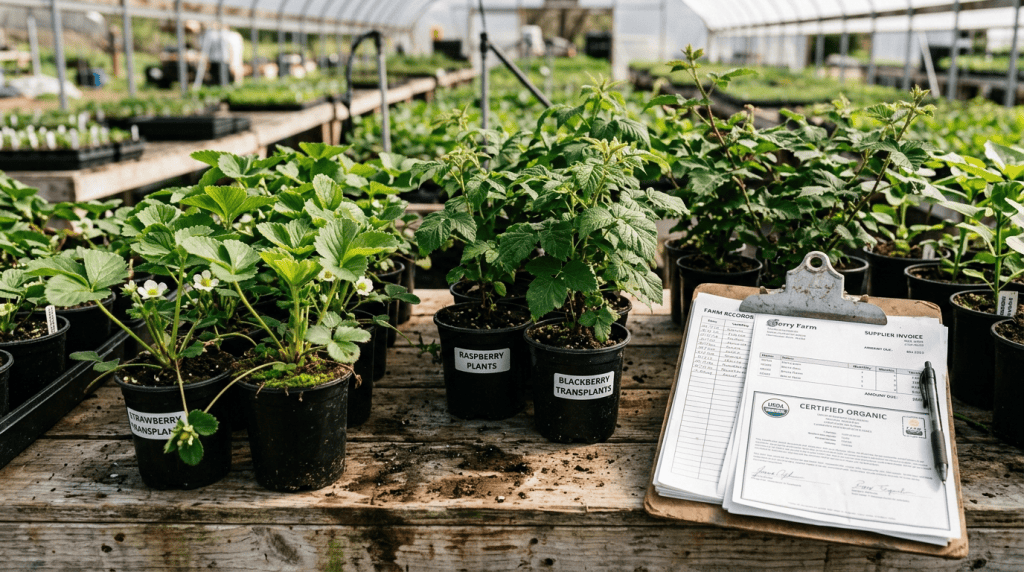
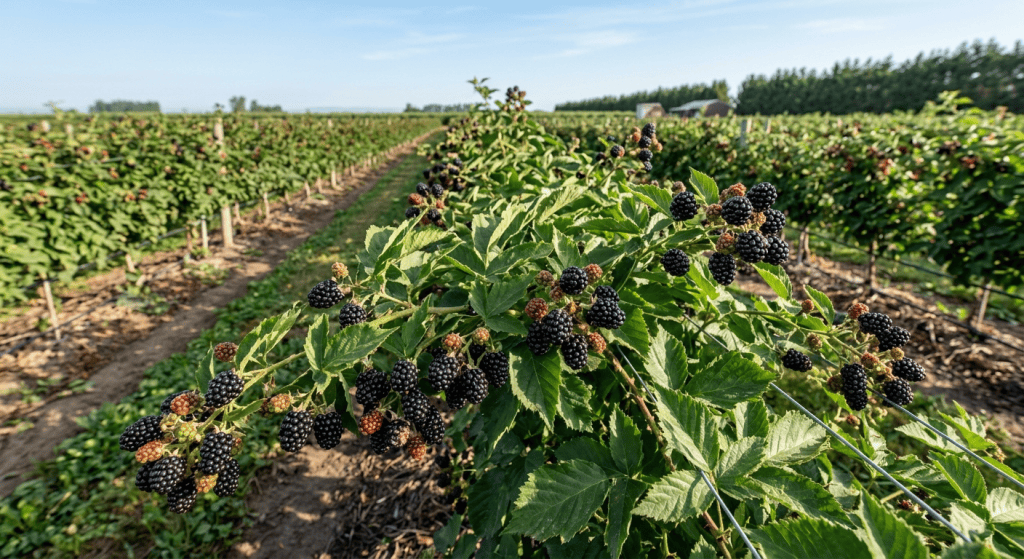
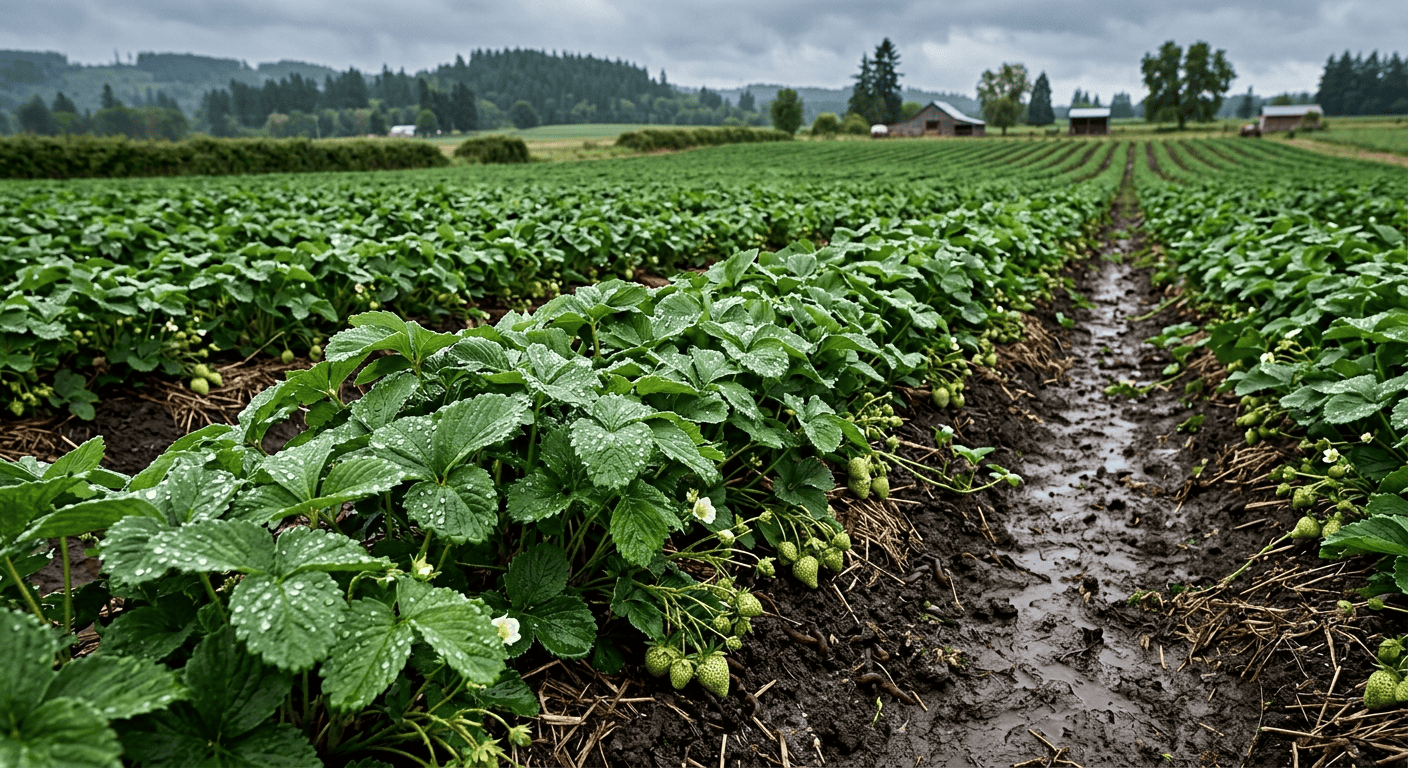
Look at transplants: there should be a supplier invoice and organic certificate available, as well as seed tags and a full accounting of the varieties and quantities in the field and where they are located. For berry crops such as strawberries, raspberries, and blackberries, the point is to have an audit trail that leaves no question as to the link between the transplants and the organic field. On the farm, application records need to be explicit about the rate used and the what, when and why of any product applied.
Sourcing is often just a matter of paperwork. A conventional purchase requires more in the way of explanation and timeline management than a verified organic one, where the certificate and invoice are self-explanatory.
Land and Transition
It would be a mistake to think that having the right planting stock is enough to make ineligible land organic. For the label to be warranted, a parcel must have been free of prohibited substances for the three years before harvest and have boundaries adequate to keep nonorganic material from neighbouring areas from cross-contaminating your crops.
A farmer in transition may see some ecological balance come from cover crops, compost or mechanical weed control, but the USDA will not affix its tag until every condition is met. There is technical and financial help to be had from the Environmental Quality Incentives Program and at the Natural Resources Conservation Service if it is called for.
Organic Certification
Once the initial inspection by a USDA agent and associated fees are out of the way, the expense of holding onto that certification can run from a few hundred to several thousand dollars a year, reviews included.
An inspector is reassured by solid transplant records; they are proof the farm has not commingled with nonorganic product and has kept its integrity. You could say that while good stock does not substitute for sound soil and pest management, it eases some concerns. In the end, the documentation is the safeguard of the process, providing the assurance that the USDA label is something well earned.
Before you place your next order for berry plants, make sure the stock you bring onto the farm supports your organic records rather than complicating them. Innovative Organic Nursery supplies certified organic strawberry, raspberry, and blackberry plants for home gardeners and commercial growers. Contact ION to learn more about current availability and sourcing organic transplant stock for your next planting.