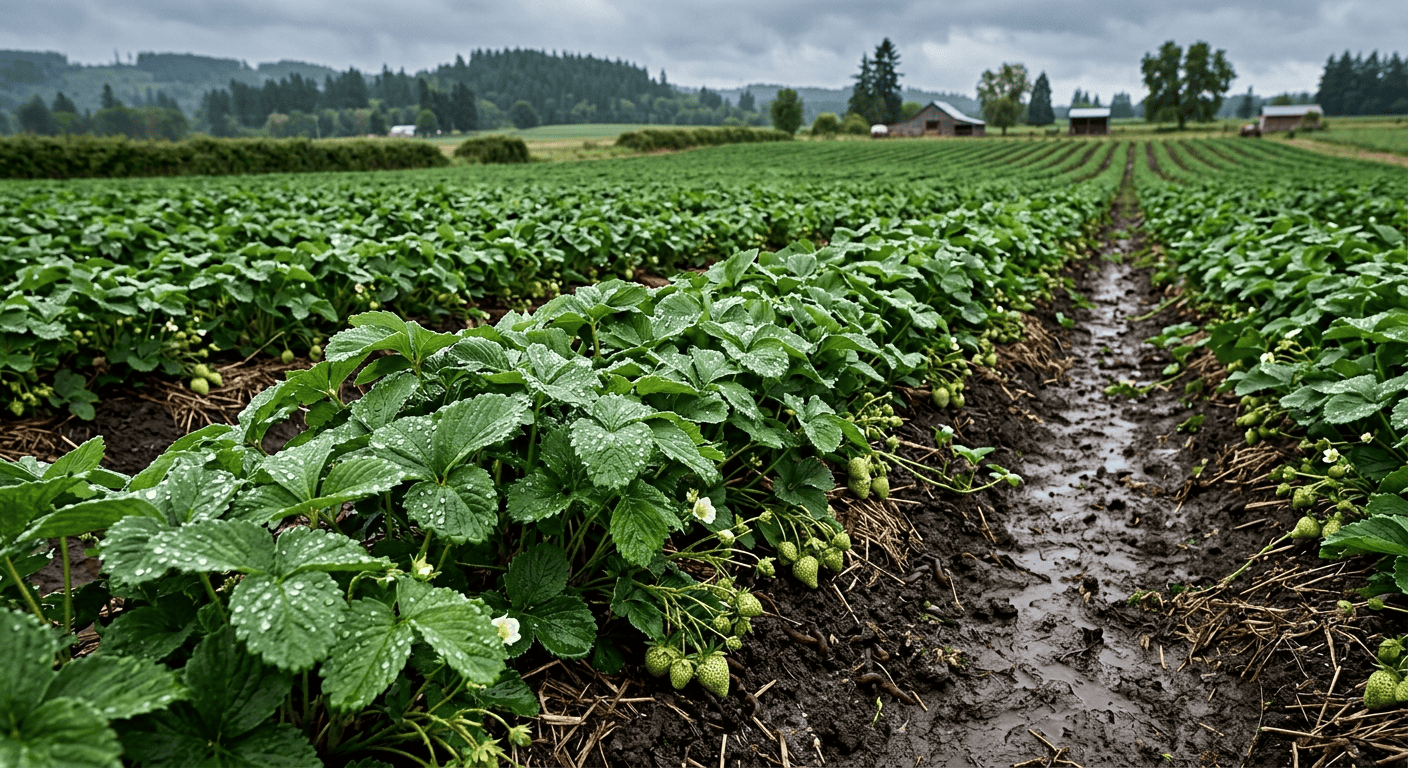
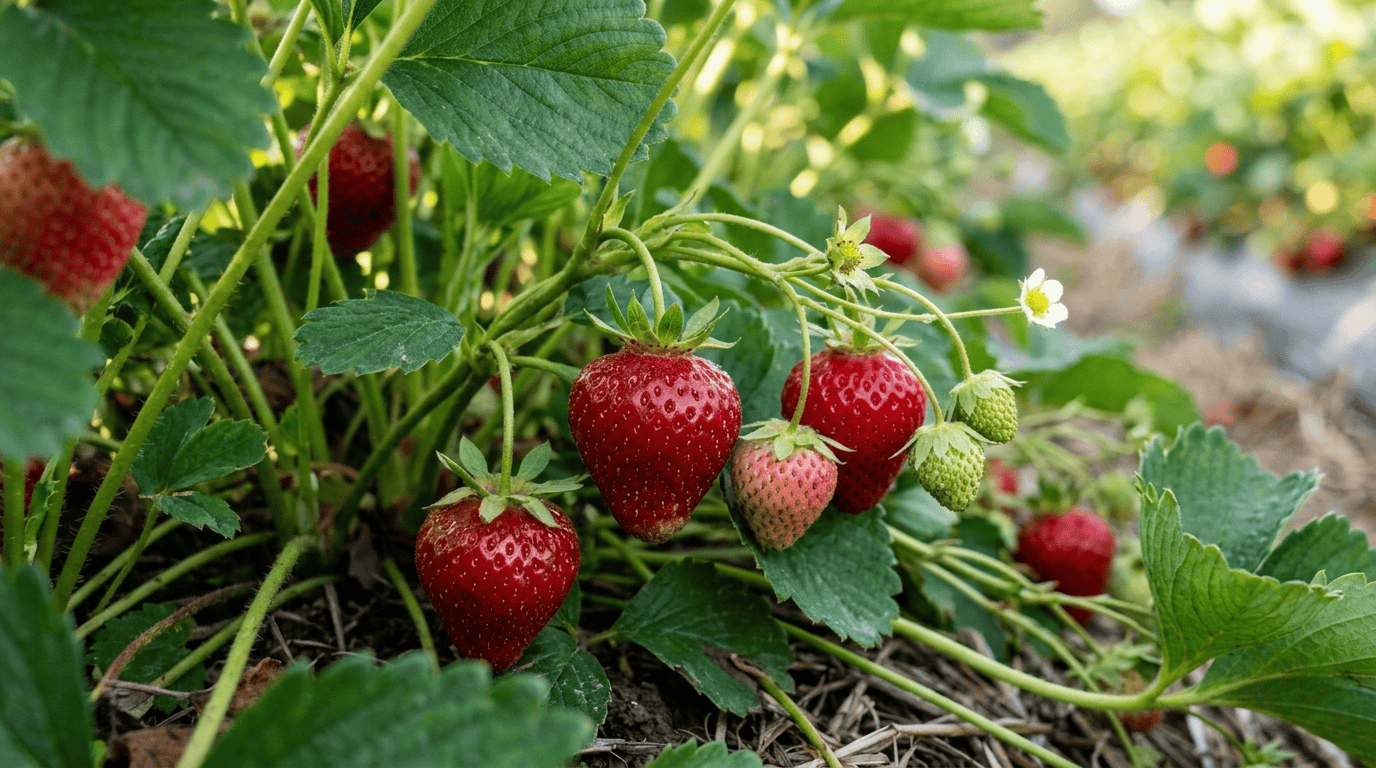
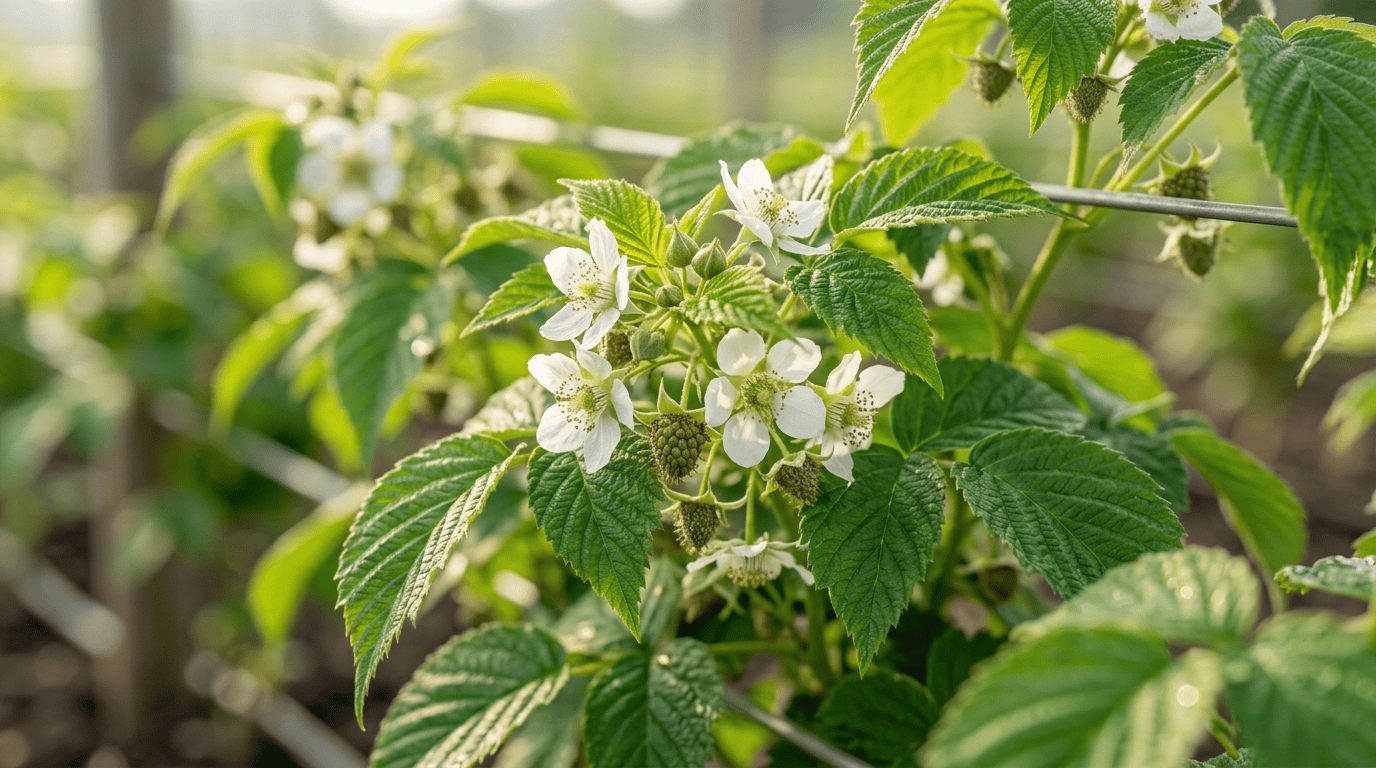
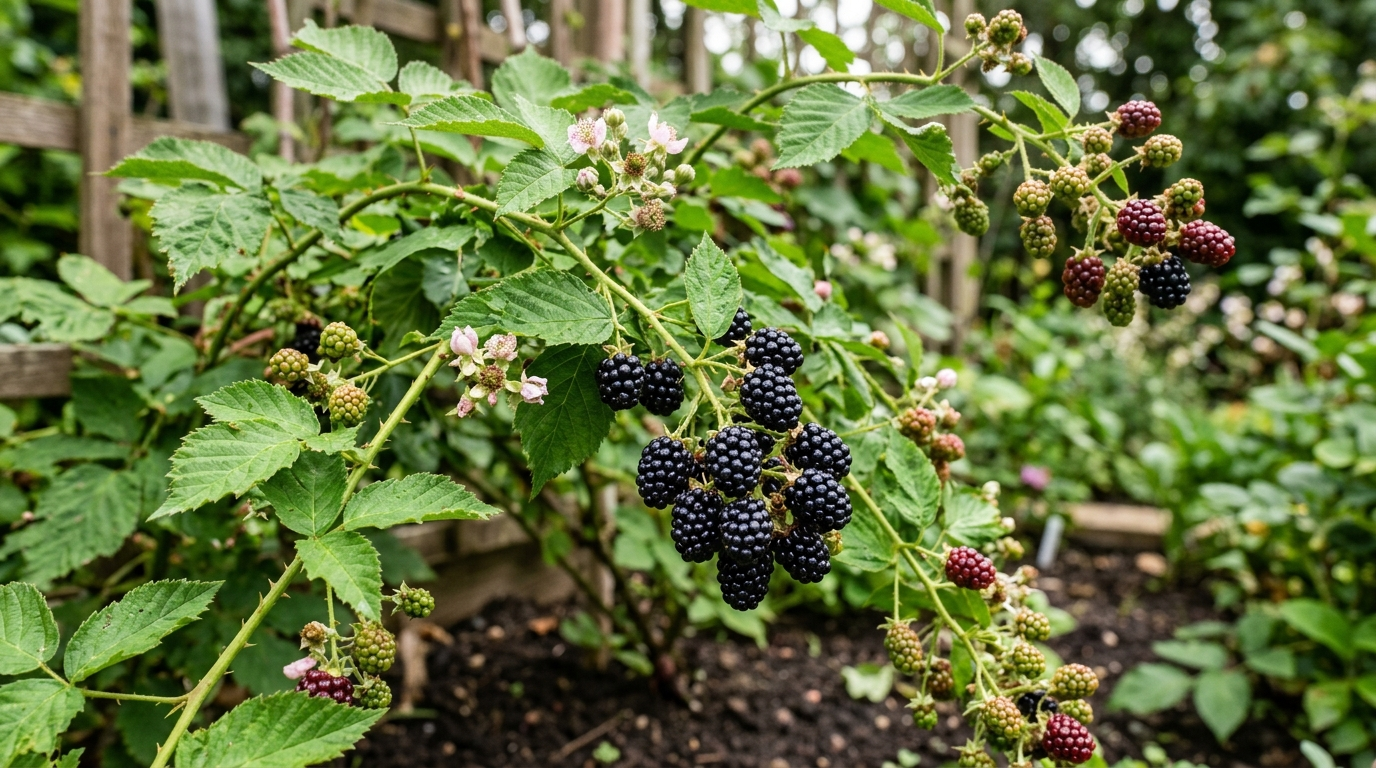
A harvest can be in jeopardy from weeds, nematodes and soilborne diseases long before a crop is even planted. Conventional growers have been able to rely on methyl bromide or metam sodium to hold pest populations in check. Organic farmers must rely on other systems to safeguard the land.
When it comes to Certified Organic, the USDA does not allow any wiggle room. Unless a synthetic is on the National List, it is not to be used. Moreover, organic farming practices demand that natural resources like water and soil be left in better shape than one found them. For this reason, soil management is an exercise in the long term, not just something done preplant.
Among the more workable options are composting, crop rotation, steam, biofumigation and anaerobic soil disinfestation. The best results usually come from a combination of these, tailored to the climate, the pest profile and the crop at hand.
Anaerobic Soil Disinfestation (ASD)
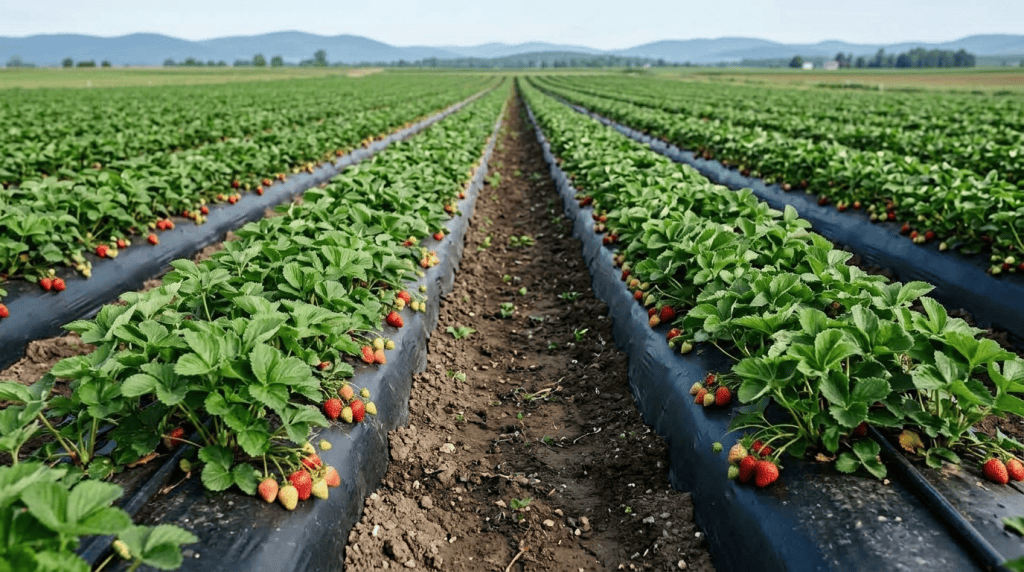
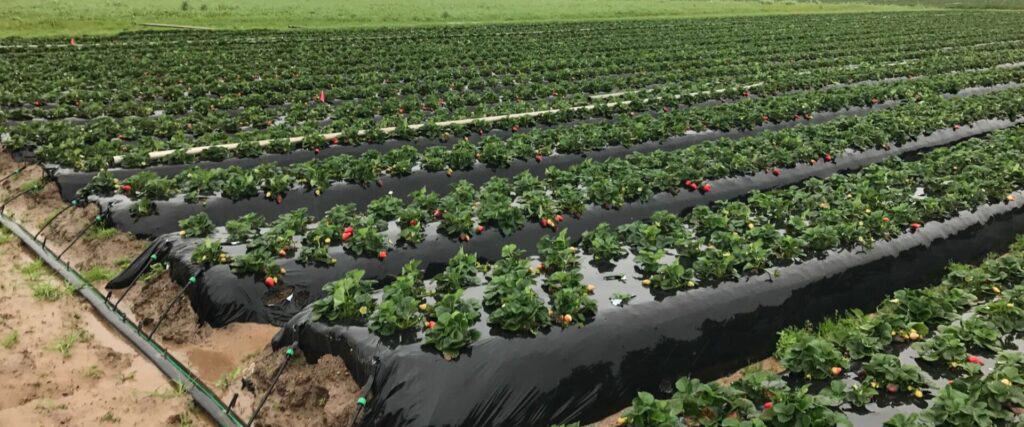
With high-value crops such as organic strawberries, ASD has shown promise. The process begins with the incorporation of a carbon source that will decompose readily; rice bran is often used at 6 to 9 tons per acre. Once the ground is well irrigated and put under plastic mulch, microbial action will see to it that the oxygen is used up as the carbon breaks down, creating an anaerobic environment.
This upsets the local microbial community and brings about organic acids that inhibit some pathogens. California trials indicate that yields from rice-bran ASD can match those of fumigated fields. It is no cure-all, though. You must be mindful of temperature and moisture levels. A field infested with Fusarium oxysporum, for example, might require some adjustments to the protocol.
Soil Solarization
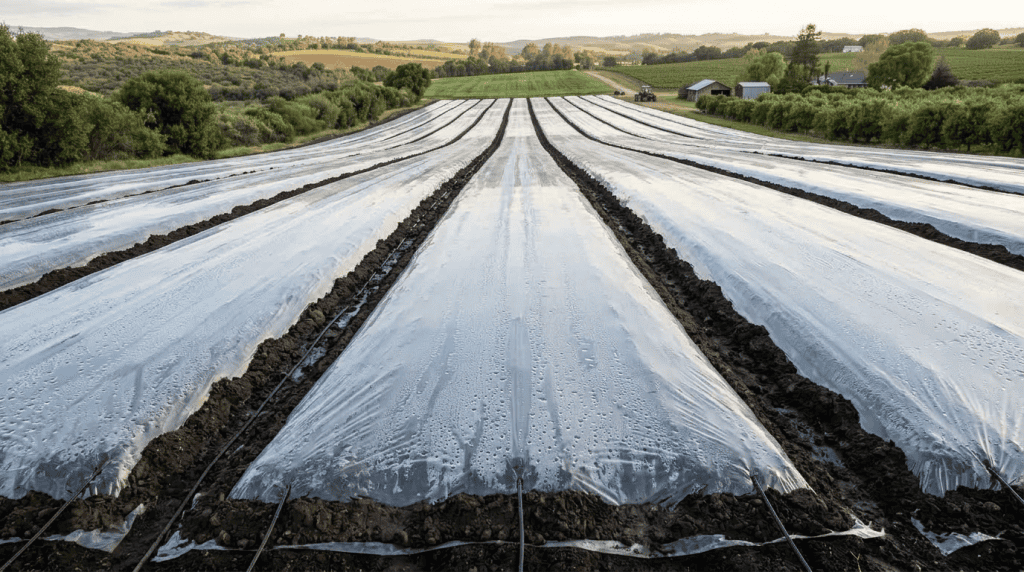
Here, solar energy is called upon to do what chemicals would normally do. In the middle of summer, the soil is tilled, wetted and made level before being covered with clear plastic. The radiation passes through to raise surface temperatures to 140°F or more, which is sufficient to finish off disease organisms and weed seeds. Black plastic is not as useful for this purpose.
Four or six weeks is ample in a hot, sunny region, but in cooler or shadier spots the treatment may need to run longer. Some will mix in cruciferous residue (chopped leftover mustard, broccoli, or kale plants) beforehand for a bit of biofumigation.
Beneficial Insect Release
Solarization and biofumigation deal with what’s happening underground. Once the crop is up and growing, the pests you’re dealing with are mostly above ground, that’s where beneficial insects come in.
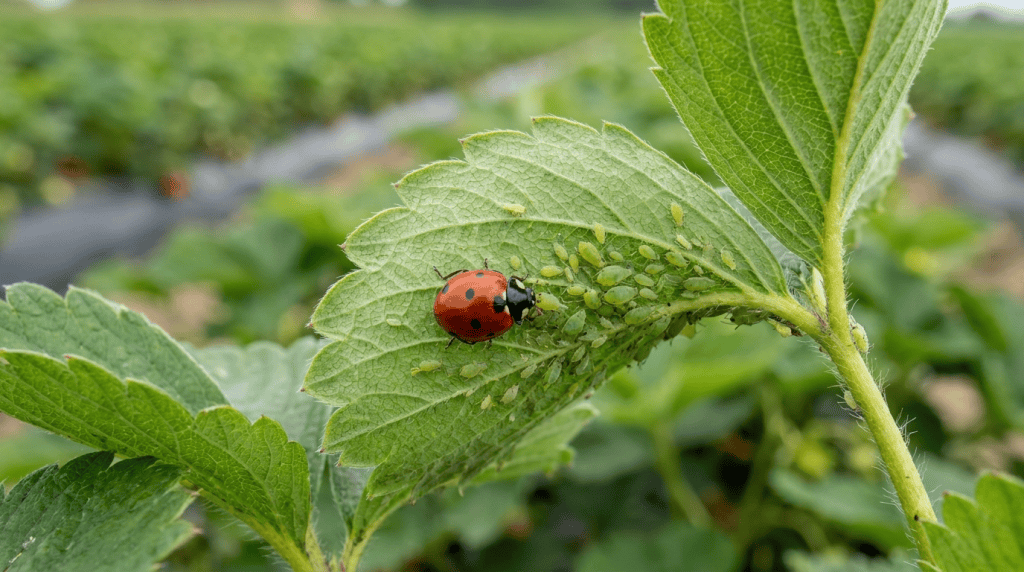
The idea is simple: bring in the bugs that eat the bugs causing problems. Ladybugs and lacewings go after aphids. Parasitic wasps target caterpillars and other soft-bodied pests before they get out of hand. No spraying required.
Timing makes or breaks this one. Release too late and the pest population already has a foothold. Most growers aim for early season, then repeat as needed through the year since both the pests and the beneficials cycle through generations.
This method is not a replacement for solarization or biofumigation but protects the crop once it’s actually in the ground.
Steam Instead of Soil Fumigants
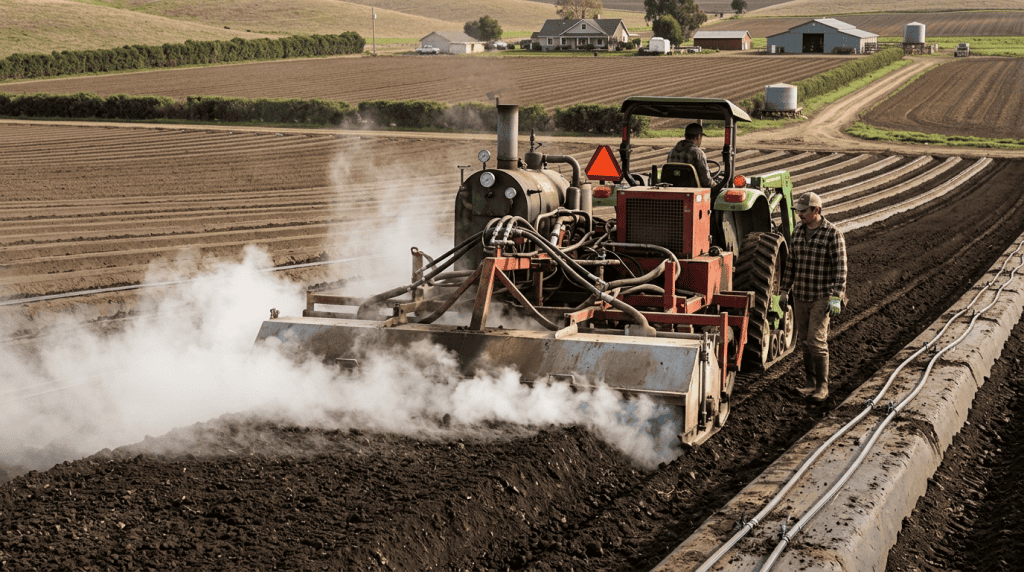
If you are in a hurry, steam is a physical means of ridding the soil of pests. A boiler supplies the heat to eliminate any pathogen in its way. While UC recommends a 20-minute hold at 160°F, recent strawberry research has found that holding the soil temperature at 140-158°F to be just as effective.
Mustard Cover Crops
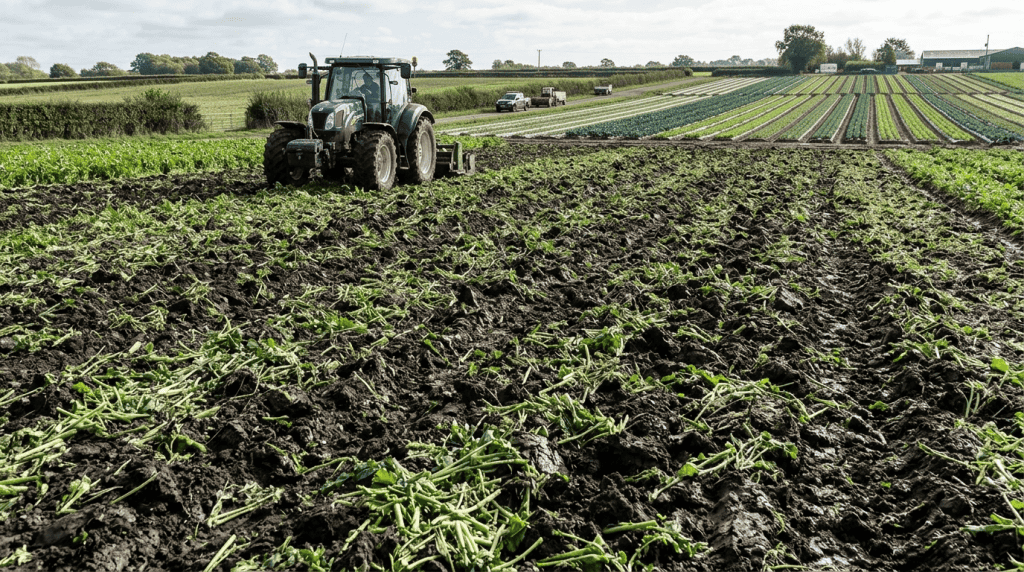
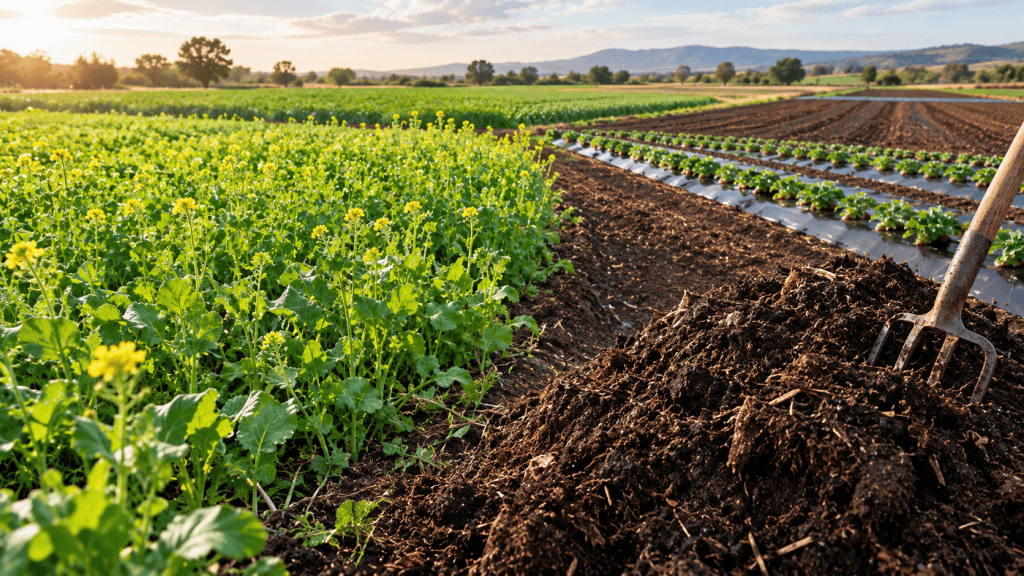
The right cover crops can be used to put natural suppressants into the soil; mustard and other Brassicas contain glucosinolates. Once the plant matter is chopped and worked into damp earth, it becomes isothiocyanate, which is good for curbing nematodes and root rot if the biomass and cultivar are suitable. Timing is important here. The green manure should be put in the ground, and the area irrigated or covered without delay so as to keep the volatiles in. This also helps build nitrogen and organic matter and holds back erosion.
Rotation and Compost
Crop rotation is about taking away the host. Put in some cereals or grasses after a vulnerable crop like strawberries, raspberries or blackberries, and the pressure from pathogens will subside. But where the pathogen is persistent, one needs to pair rotation with proper sanitation and the culling of infected roots, especially before replanting caneberries.
Compost is another way of enhancing soil health, adding matter and encouraging a microbe population robust enough to resist disease. Should biological products be brought in, it is prudent to select microbes that have been proven by research for the crop in question.
An Integrated Approach for Organic Farmers
There is no single technique that will see off every pest in any given situation. You have the demands of steam equipment, or ASD, which is only as good as your water supply and oversight; then there is solarization, where you are subject to whatever the summer brings.
Successful organic operations tend to put together a system built on compost, disinfestation done with some restraint and the use of resistant varieties. For berry growers, the right combination depends on whether the planting is strawberries, raspberries or blackberries, as well as the soilborne pests already present. Of course, the certifier must approve all amendments and pesticides. But the goal here is not simply to put an organic soil fumigant substitute in place of chemical fumigation. Most farmers, rightly so, want to deal with soil pests in a way that builds resilience and biodiversity, ensuring the ground stays productive for the long term.
Building healthier organic berry fields starts before planting. Innovative Organic Nursery supplies certified organic strawberry, raspberry, and blackberry plants for home gardeners and commercial growers who want strong planting stock from the beginning. Contact ION to learn more about current availability and sourcing organic berry plants for your next growing season.